
Rajamangala University of Technology Srivijaya is committed to improving energy efficiency and mitigating the impacts of climate change under its Green University framework, in accordance with the University’s 20-Year Strategic Development Plan (2018–2037).
On 9 December 2022, the University announced its “Policy on Environmental and Energy Management, Health, Hygiene, and Internal Safety.” The policy sets a target of promoting renewable energy use to at least 25% by 2026 and achieving carbon neutrality at the university by 2037. It also encourages the renovation and design of energy-efficient buildings.
Low-carbon Energy Tracking and Measurement System
2.1 Energy Data Collection
The University has established a system for collecting energy data and tracking and measuring both low-carbon energy use and total energy consumption. Statistics and records are compiled continuously to support assessments of institutional energy use and carbon footprint.
2.2 Scope of Tracking and Measurement
The system covers all units and campuses across the University (whole-university coverage). It includes fuel use by vehicles, machinery, and cooling systems, as well as electricity purchased from external suppliers and electricity generated on site.
2.3 Public Disclosure of Information
The University publishes the results of its energy tracking and measurement through its institutional sustainability information system.
3. Supporting Information and Indicator Scope
The solar rooftop installation at the Sri Wiswa Building, Faculty of Engineering, together with renewable energy systems at other locations, illustrates the types of energy sources that should be included in the monitoring system.
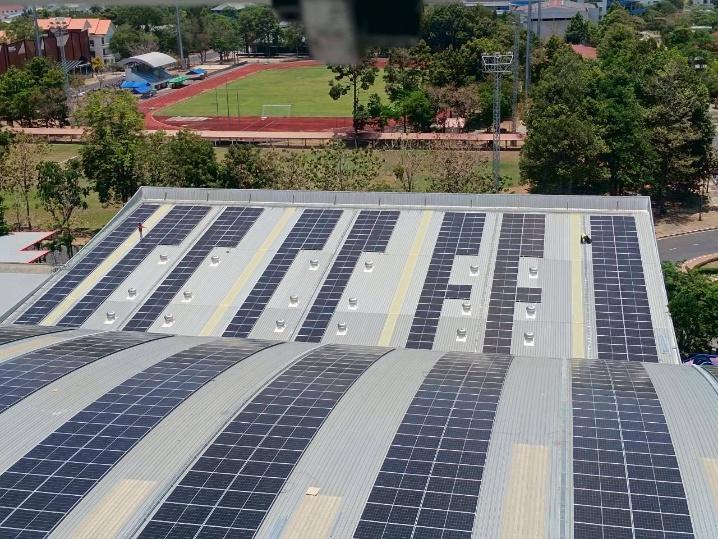
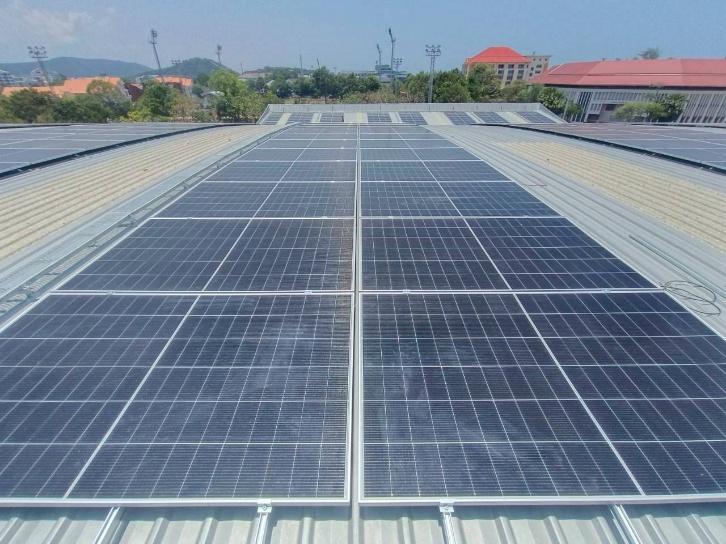
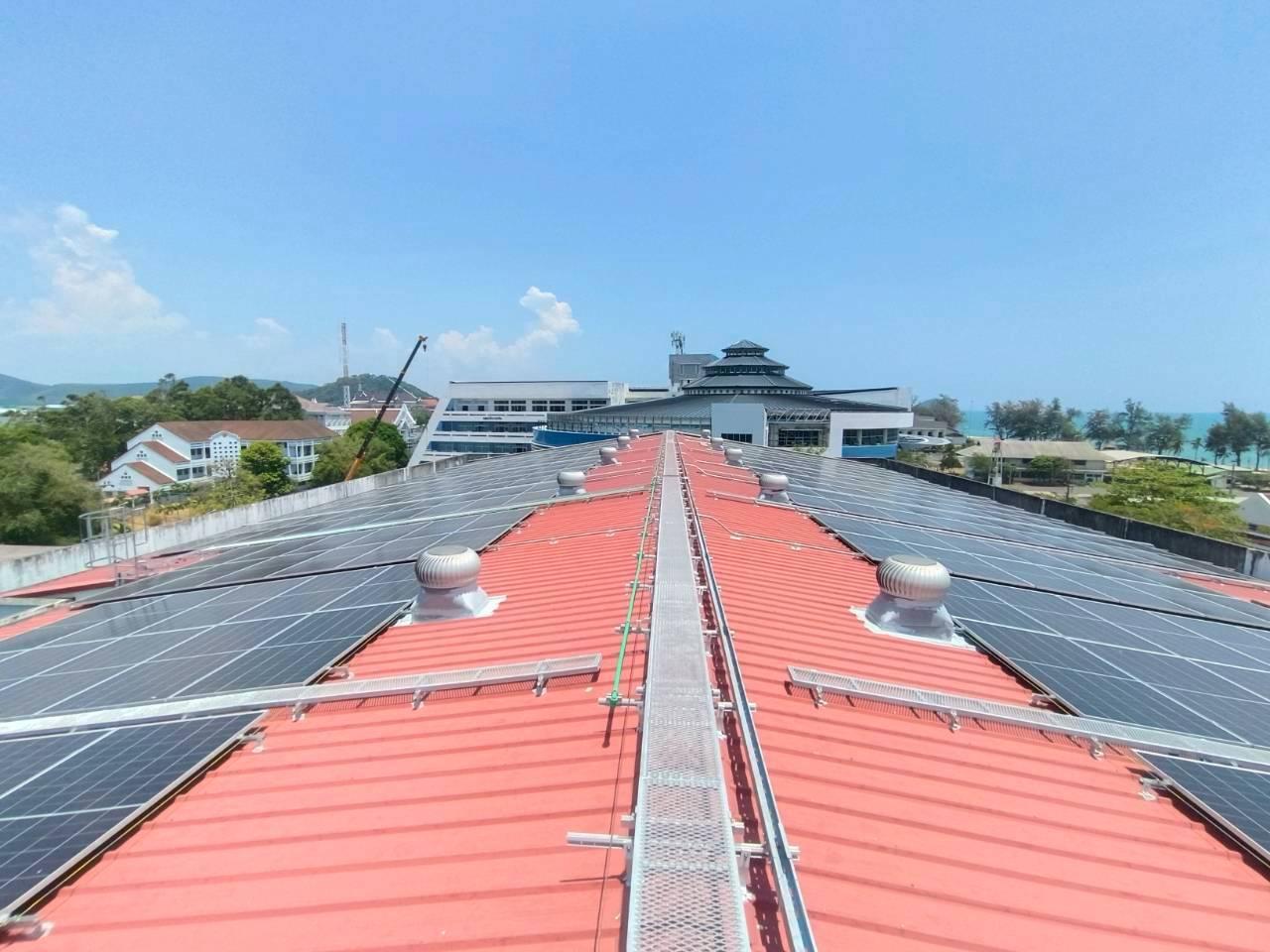
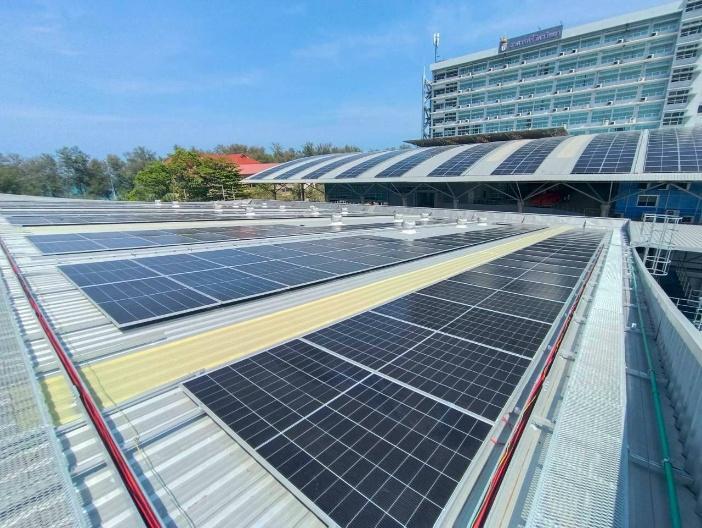
Solar rooftop installations at RUTS, Songkhla
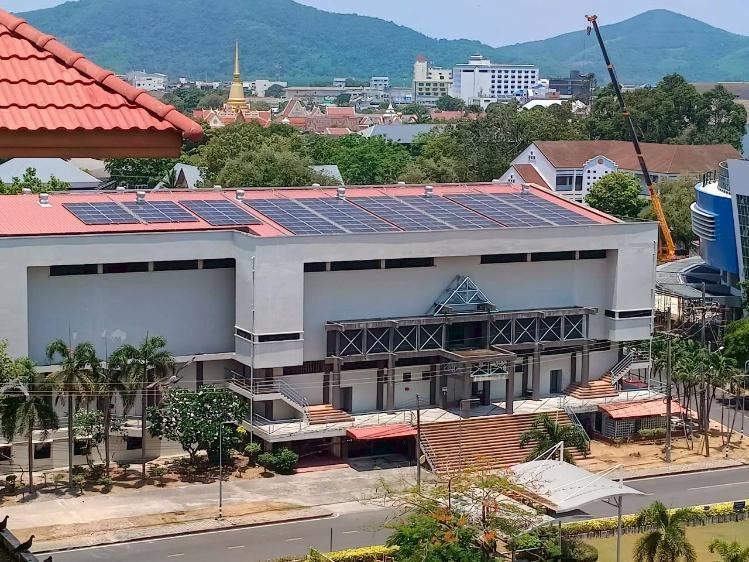
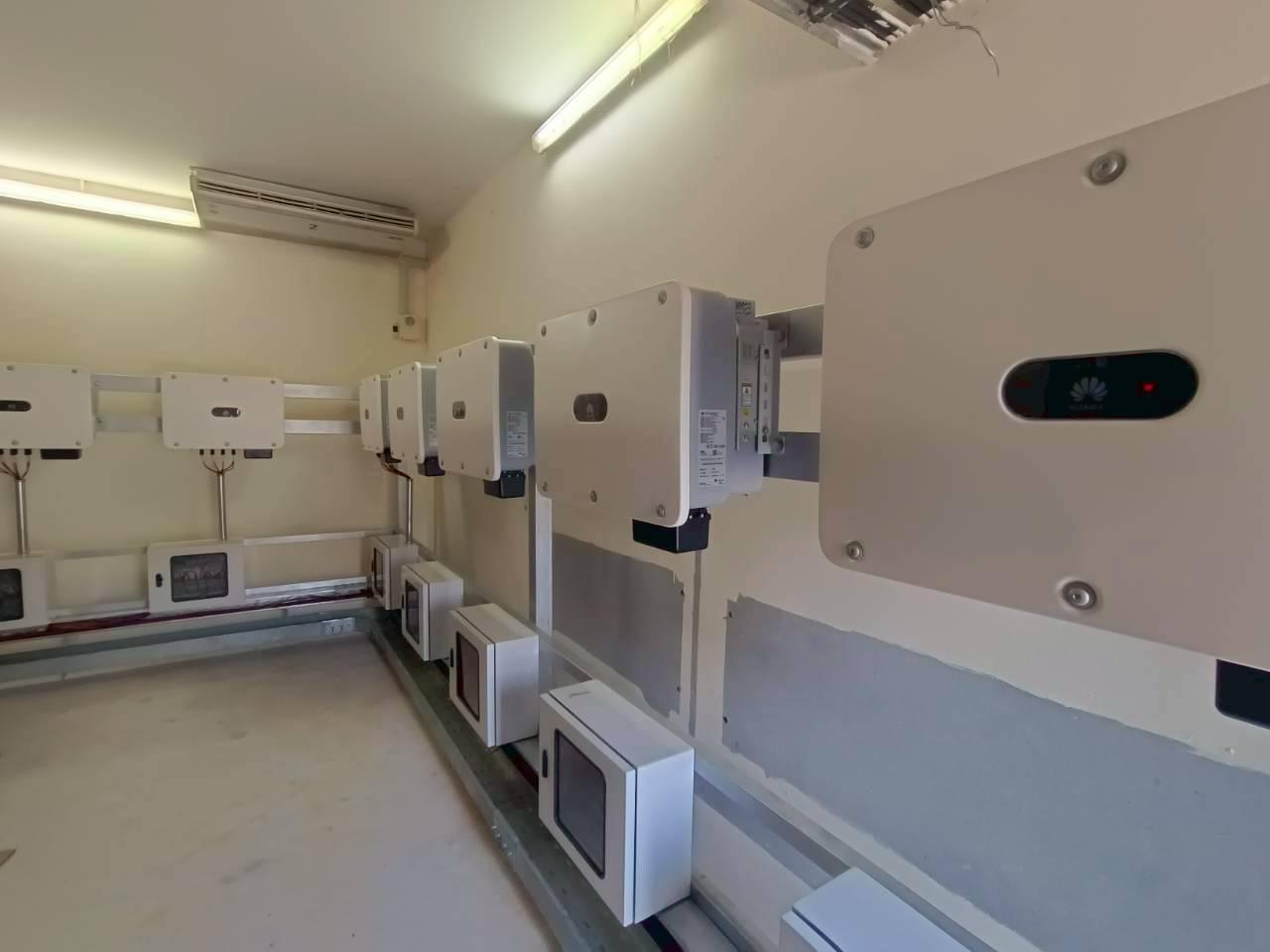
Solar rooftop installation and on-grid inverter room