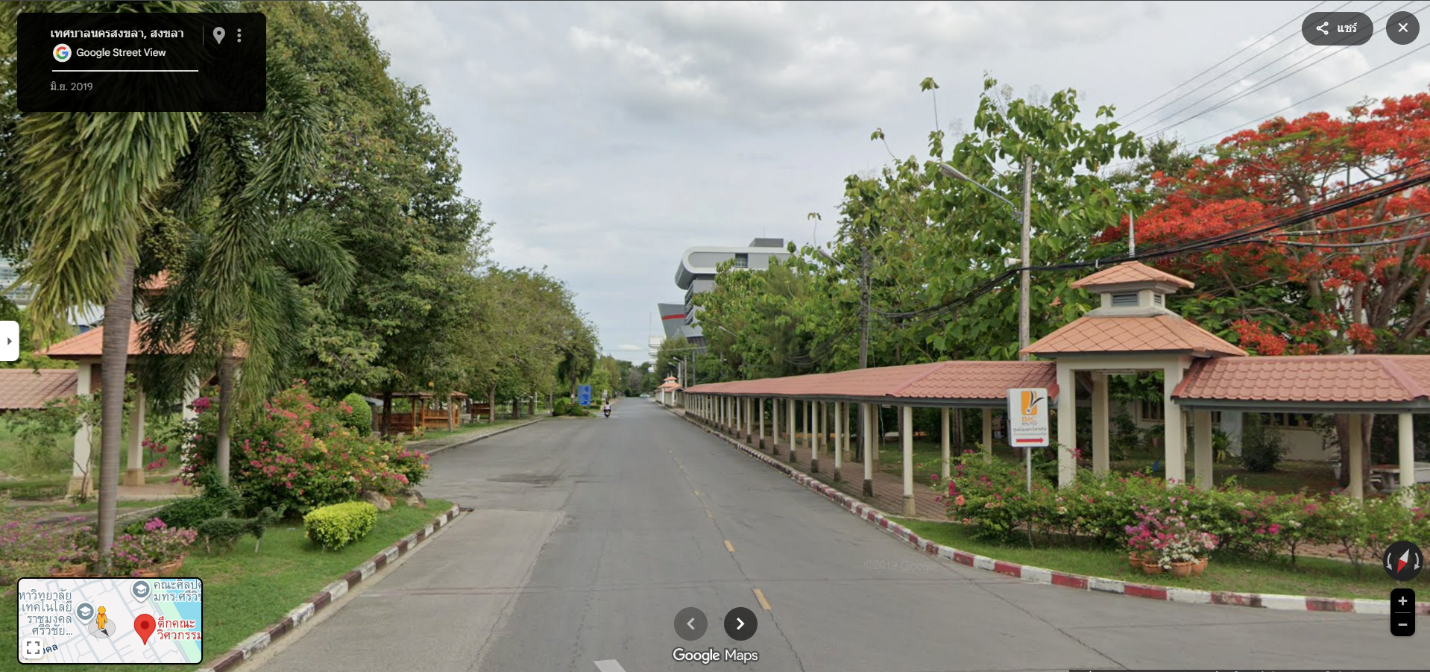
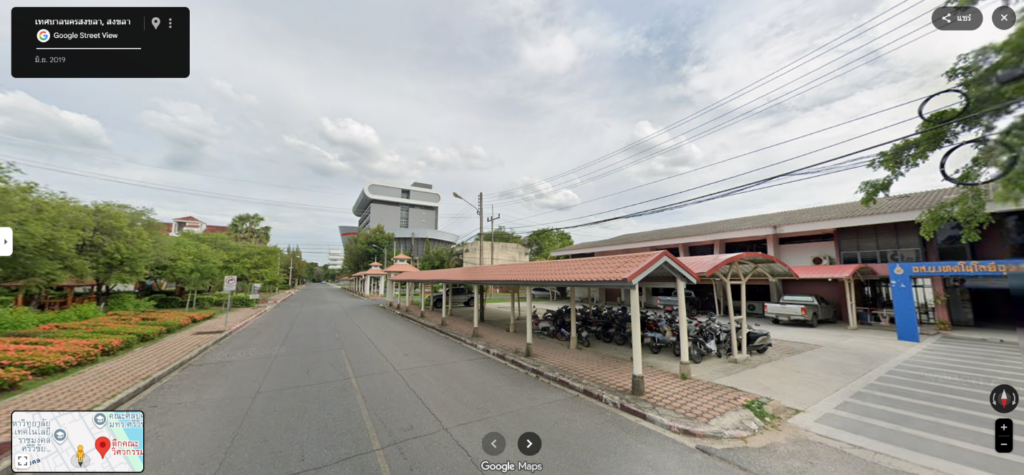
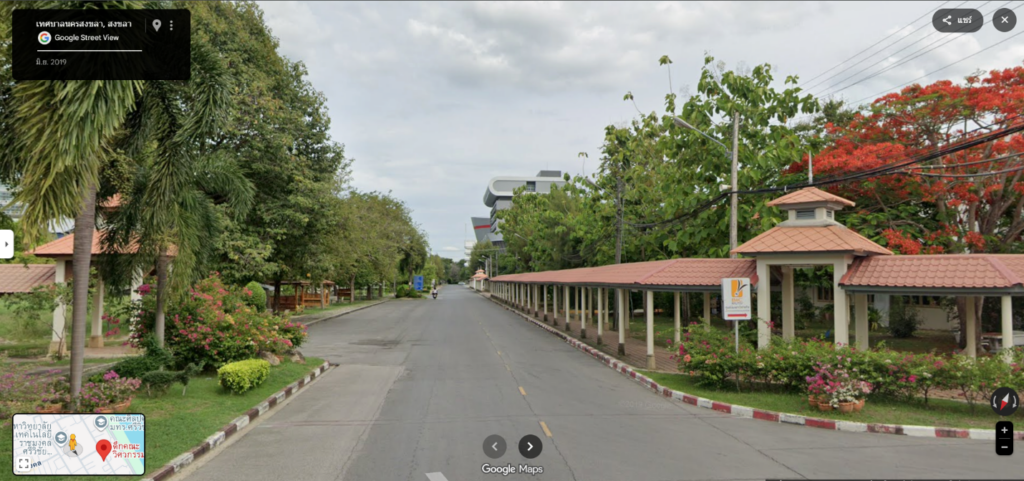
Rajamangala University of Technology Srivijaya (RUTS) has established a network of covered walkways connecting academic buildings and university facilities at its Songkhla Campus. These pathways provide sheltered pedestrian routes, protecting students, staff, and visitors from direct sunlight and rainfall, which are important considerations in southern Thailand’s tropical climate.
By connecting buildings and faculties, the covered walkways facilitate movement between classrooms, offices, and academic facilities. The interconnected pedestrian network includes routes providing access to the Faculty of Engineering and the Faculty of Industrial Education. This infrastructure supports convenient pedestrian circulation and contributes to a more walkable campus environment.
Promoting Universal Accessibility and Inclusive Mobility
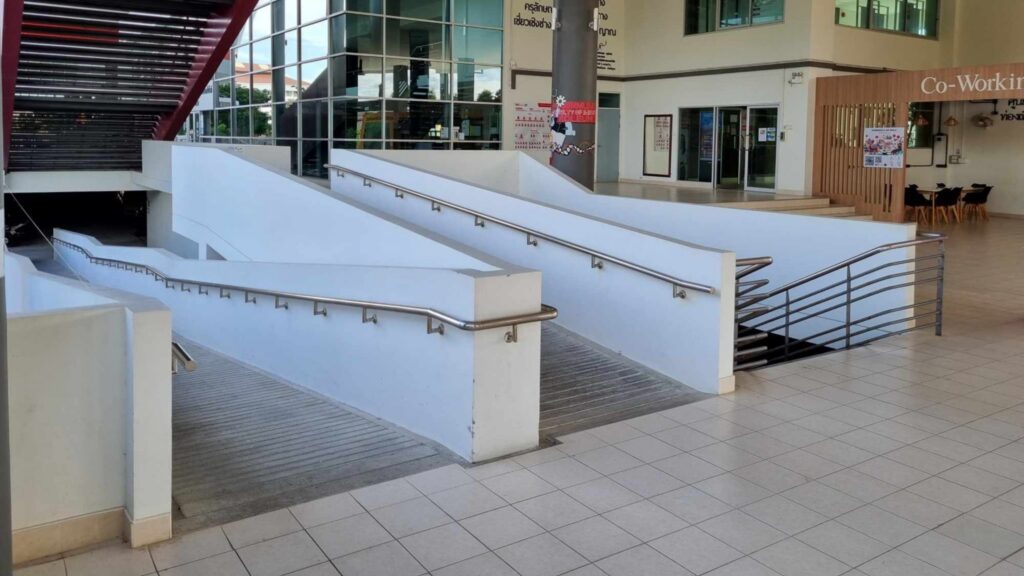
An important feature of the university’s pedestrian infrastructure is its consideration of Universal Design principles. The walkways incorporate level surfaces, ramps where necessary, and unobstructed pedestrian routes to accommodate individuals with different mobility needs.
These features are intended to improve accessibility for wheelchair users, older persons, and individuals with mobility limitations, supporting equitable access to university facilities.
Integrating Accessibility Standards into Campus Infrastructure
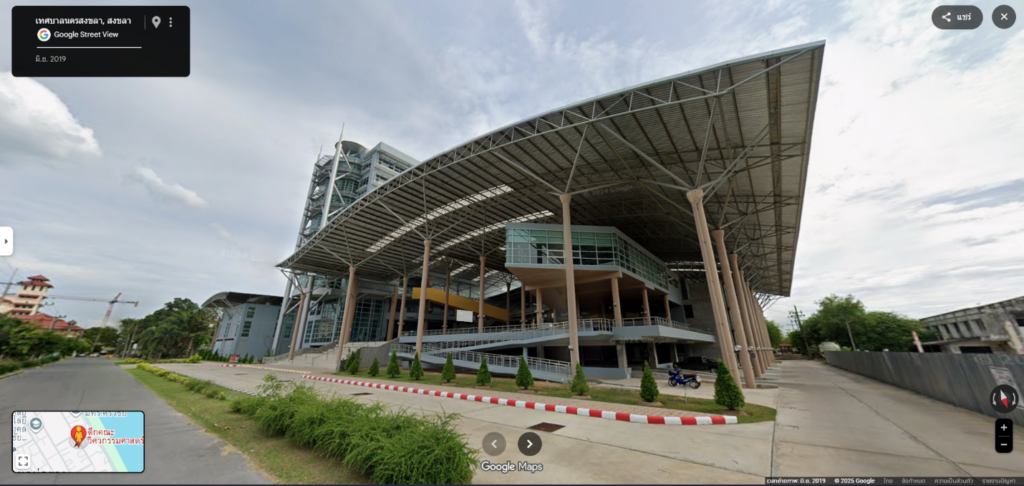
RUTS also incorporates accessibility considerations into the construction of new academic buildings. According to the university’s reported practices, access ramps are designed in accordance with gradient requirements under Thailand’s Building Control Act.
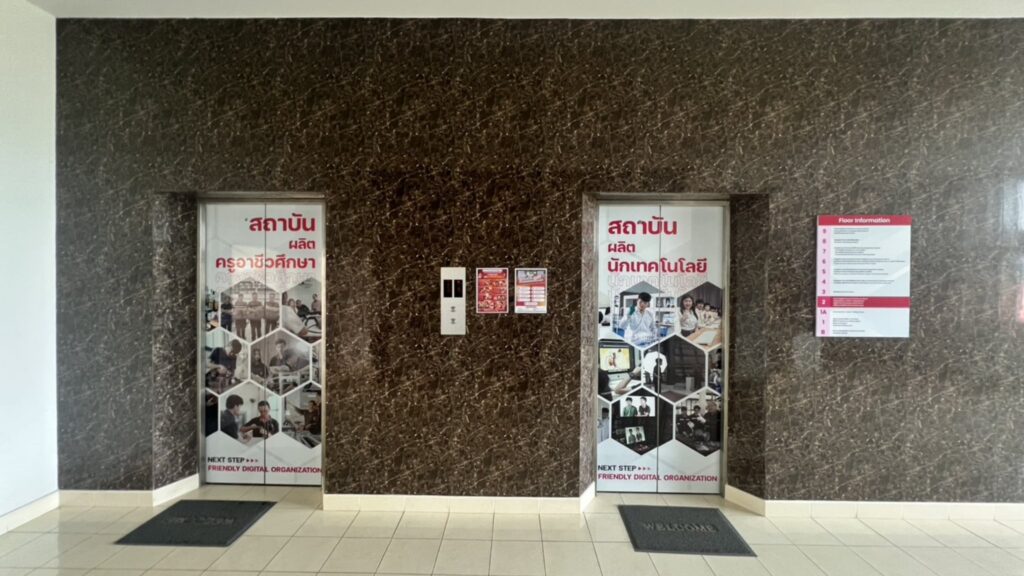
In addition to ramps, university buildings are equipped with elevators, including accessible lifts designed to accommodate people with disabilities.
These measures reflect the university’s approach to integrating accessibility into campus infrastructure and improving the usability of academic facilities for students, personnel, and visitors.