
In 2025, Rajamangala University of Technology Srivijaya (RUTS), through its Faculty of Architecture, implemented a range of projects to preserve and transmit intangible cultural heritage in southern Thailand. Working with local artisans, communities and cultural practitioners, the university supported the continuation of traditional craftsmanship, cultural practices and local knowledge through hands-on learning, participatory research and heritage documentation.
Preserving Traditional Textile Knowledge and Craftsmanship
Rajamangala University of Technology Srivijaya (RUTS), through its Faculty of Architecture, worked with local communities and traditional artisans to preserve and transmit textile knowledge and craftsmanship in southern Thailand.
On 30 January 2025, the Fashion and Textile Design Programme organised a knowledge-transfer workshop for the Ban Khao community in Ranot District, Songkhla Province, under the Royal-Initiated Pak Phanang River Basin Development Project. Community members learned natural dyeing techniques using locally available plants and sea-water indigo. Lecturers demonstrated fabric stitching and binding, dye preparation, and hand-dyeing processes, enabling participants to practise textile techniques associated with local plant resources. The activity was conducted in collaboration with the Ban Khao community, the Ranot District Agricultural Extension Office and the Ranot District Community Development Office.
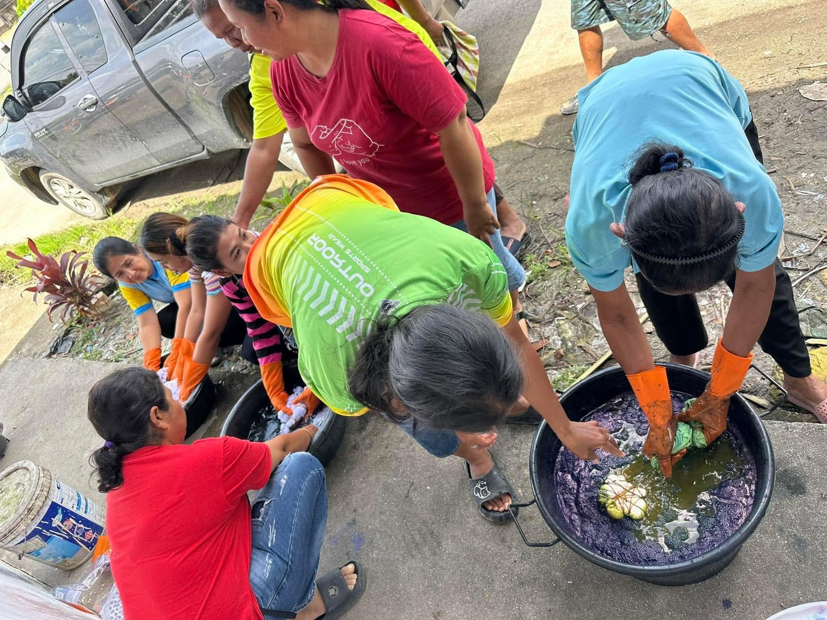
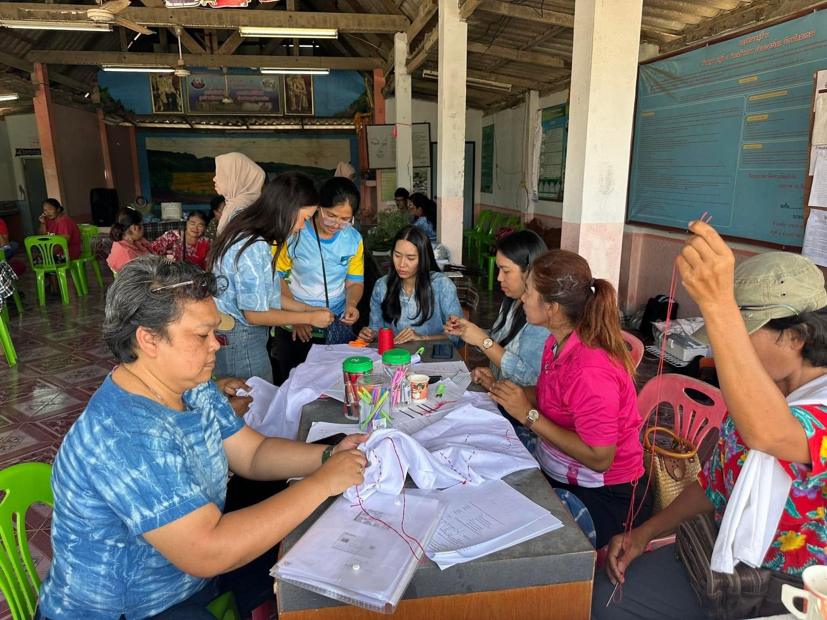
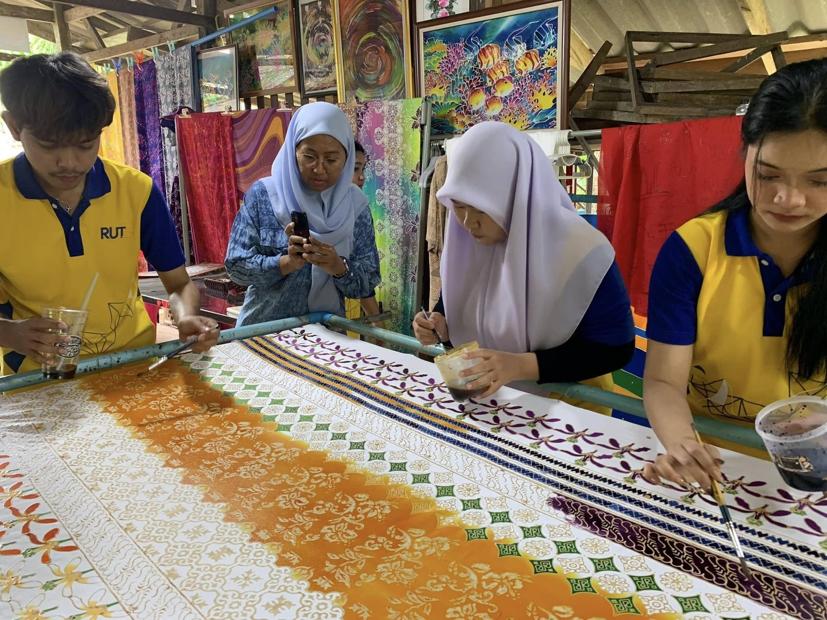
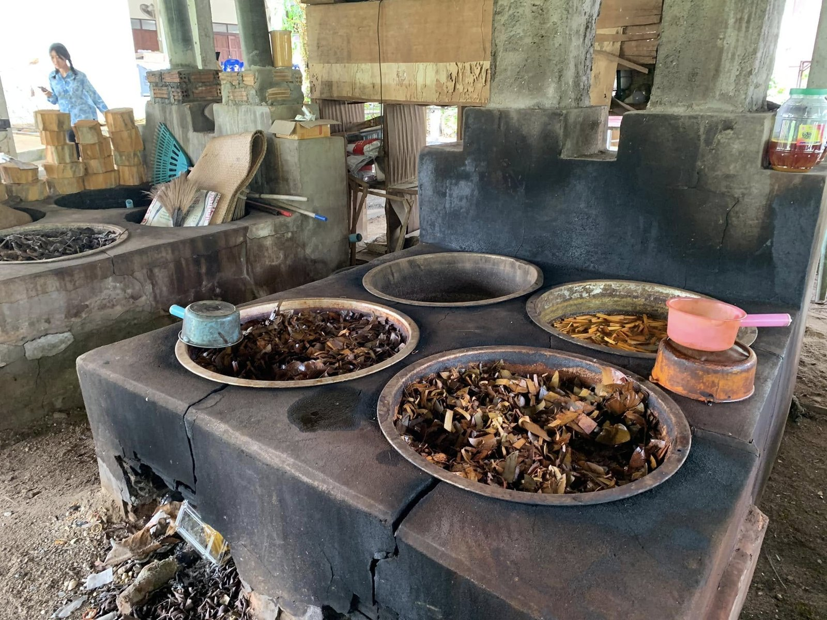
On 25–26 February 2025, students from the Fashion and Textile Design Programme participated in hands-on workshops with three community textile groups under the “Culture Smart City: Songkhla Old Town” project. These included the Kiree natural tie-dye group in Ban Khiriwong, the Pa Boontham banana-sap batik group and Aiyah Batik. Community artisans demonstrated traditional techniques for preparing natural dyes from bark, leaves and other plant materials, applying wax patterns and producing hand-painted batik. Students practised these techniques alongside local textile masters, supporting the transmission of traditional craftsmanship to younger generations.
On 26 October 2025, Dr. Nawattakorn Umasilp of the Fashion and Textile Design Programme presented ancient Malay Pateh textiles at the Pattani Central Mosque under the “Pha Thai Sai Hai Sanuk” and Batik Model projects. The textiles were developed in collaboration with the Pattani Batik College and local community groups, including Niina Asrina and the Bango Poleng Ancient Pateh Textile Park. The collaboration focused on reviving and reproducing traditional Malay Pateh patterns, techniques and colour compositions associated with the cultural identity of Thailand’s southern border provinces.
Sustaining Traditional Ceremonial Crafts and Cultural Practices
RUTS also supported the preservation of traditional southern Thai ceremonial craftsmanship through practical learning and participation in community cultural activities.
On 30 March 2025, two Visual Arts lecturers and seven students created decorative patterns using Thaeng Yuak, the traditional art of carving fresh banana trunks. The carved decorations were used to adorn the ceremonial pavilion enshrining the statue of Luang Pu Thuat Yiap Nam Thale Chuet during the Gratitude Day ceremony on 31 March 2025 at the Second Naval Area Command in Songkhla. The activity was conducted under the research project “Somdet Chao of the Songkhla Lake Basin,” funded by the Program Management Unit on Area Based Development (PMU-A). Students gained practical experience in preparing and assembling traditional ceremonial decorations, contributing to the continuation of this regional craft.
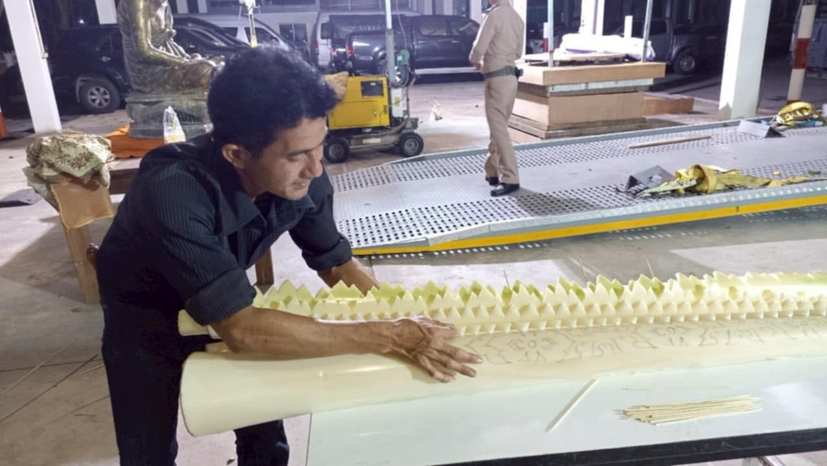
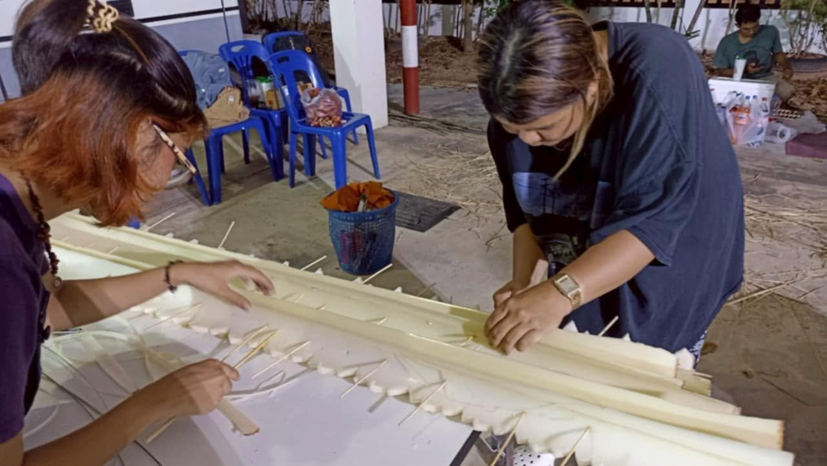
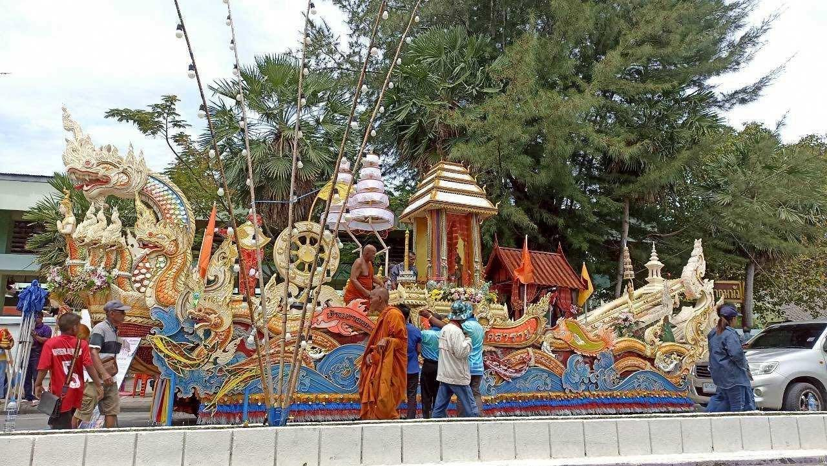
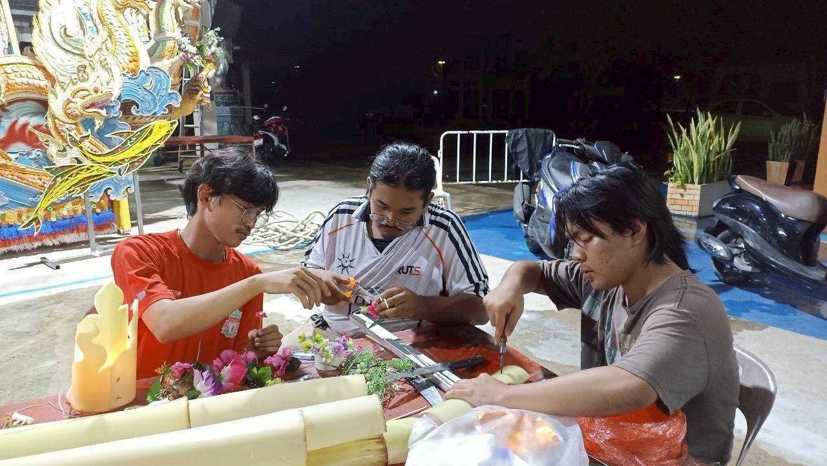
From 3 to 8 October 2025, two Visual Arts lecturers and four students collaborated with local craftsmen and villagers to design and decorate the ceremonial Buddha-image boat of Wat Thai Mangkalaram in Pak Phanang District, Nakhon Si Thammarat Province, for the annual Lak Phra and Long-Boat Racing Festival.
Working alongside community artisans, students learned traditional techniques, including banana-trunk carving and floral ornament making, while contributing to the boat’s sculpted Naga figures and painted decorative patterns. The completed ceremonial boat received the Second Runner-Up Award in the Creativity category. The collaboration supported the transmission of traditional artistic skills associated with Lak Phra, an important cultural tradition of southern Thailand.
Research on Cultural Knowledge and Traditional Manora Craftsmanship
RUTS conducted participatory research on cultural capital and community knowledge through the “Somdet Chao of the Songkhla Lake Basin” project, funded by PMU-A for fiscal year 2024.
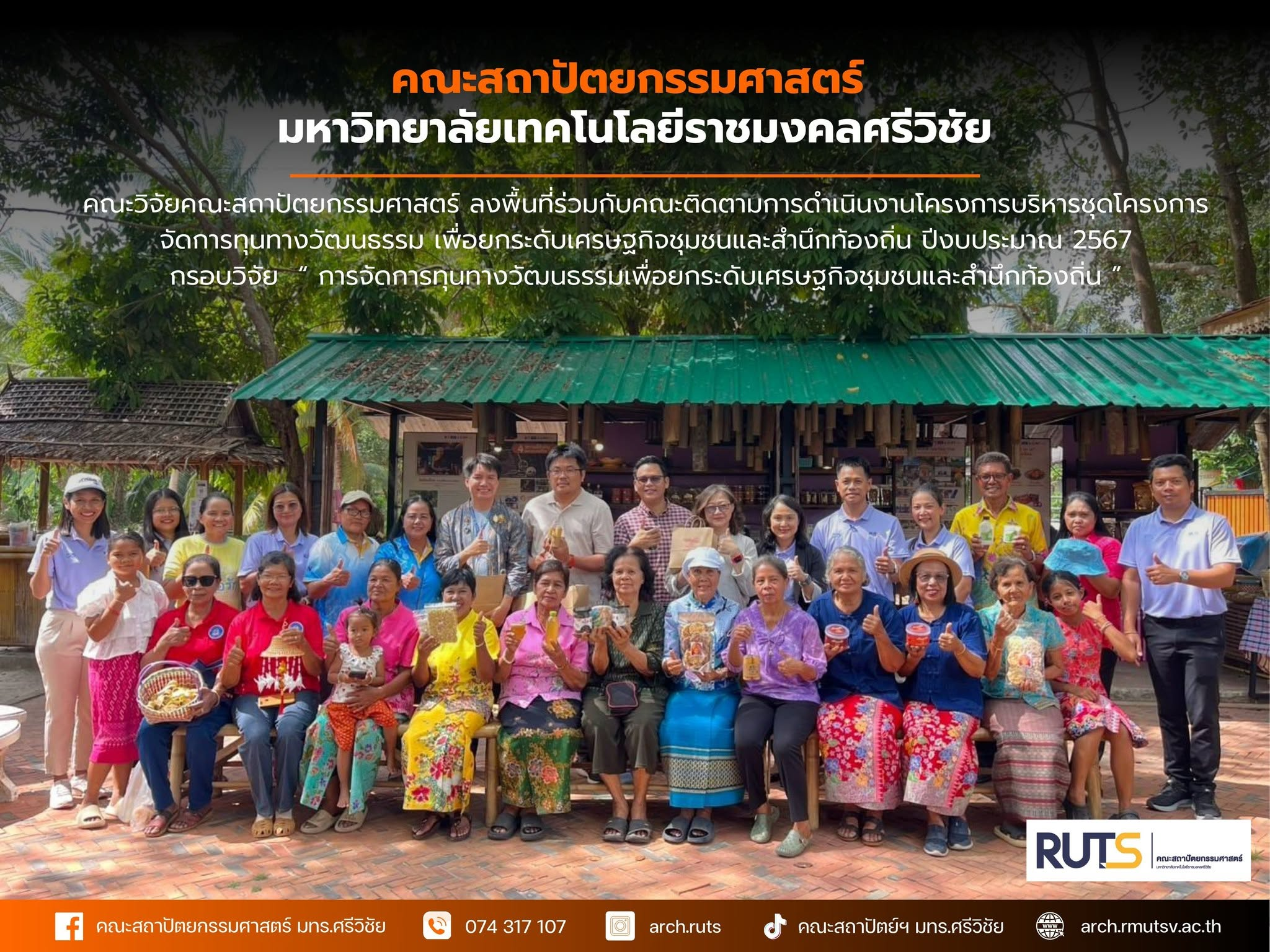
On 23 March 2025, the Faculty of Architecture research team participated in a project monitoring visit with PMU-A experts. The visit included the Manora bead handicraft group in Ban Khao, Ranot District, Songkhla Province, where traditional beadwork associated with Manora dance costumes has been adapted into contemporary products under the NERA brand.
The research team also visited Wat Ton Liap in Sathing Phra District to meet cultural entrepreneurs and explore community cultural spaces. These activities connected academic researchers with local cultural practitioners and examined the use of traditional knowledge and cultural resources in community-based development.
Documenting Local Cultural Resources through a Digital Database
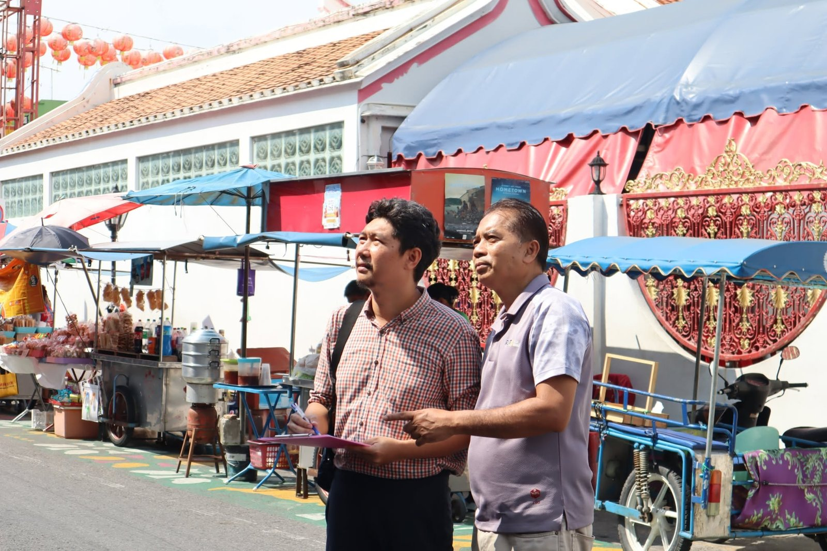
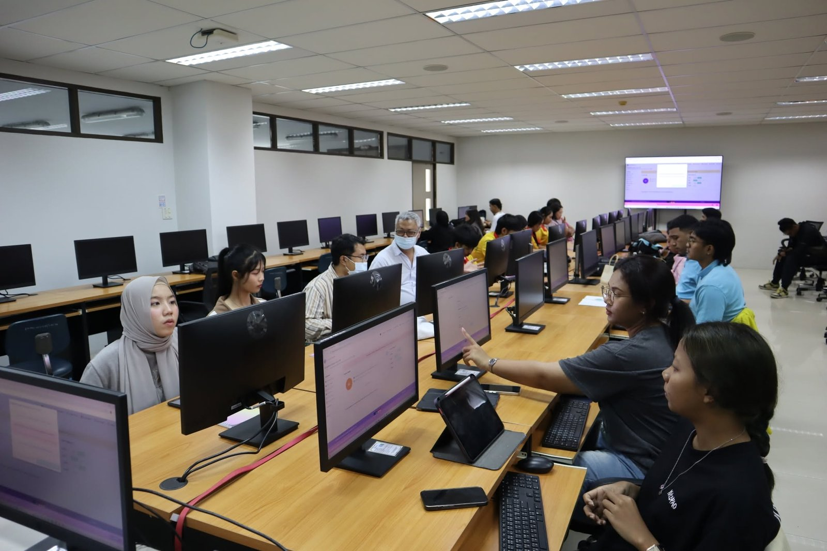
As part of the “Culture Smart City: Songkhla Old Town” project, RUTS organised a workshop on 30–31 May 2025 to develop a prototype online cultural tourism database and map.
The Urban Planning Programme brought together members of the public, alumni and students to survey Songkhla Old Town and collect information on historic buildings, religious sites, local businesses and cultural attractions. Participants organised the collected information into a structured database and online map.
The activity produced one prototype digital database and map of cultural tourism resources, providing a foundation for documenting and communicating Songkhla Old Town’s cultural heritage. While the documented information primarily concerned cultural places and attractions, the project demonstrated an approach to community participation in cultural heritage documentation.
Measurable Results:
- 1 community workshop on natural and sea-water indigo dyeing
- 3 community textile groups involved in traditional dyeing and batik workshops
- 2 community textile groups involved in developing ancient Malay Pateh textiles
- 2 lecturers and 7 students involved in traditional banana-trunk carving for the Luang Pu Thuat ceremony
- 2 lecturers and 4 students involved in the Lak Phra ceremonial boat project
- Second Runner-Up Award in the Creativity category for the Wat Thai Mangkalaram ceremonial boat
- 1 PMU-A-funded research project involving community cultural knowledge and Manora bead craftsmanship
- 1 prototype online cultural tourism database and map developed for Songkhla Old Town
Related Links:
https://www.facebook.com/share/p/1GoeShP56C/
https://www.facebook.com/share/p/1ba4BSDAFm/
https://www.facebook.com/share/p/19qwnBK3nx/