Rajamangala University of Technology Srivijaya (RUTS) demonstrates its institutional commitment to education for sustainable development through its General Education Curriculum (Revised Edition, B.E. 2566), implemented since the first semester of the 2023 academic year. Approved by the University Council, the curriculum applies to all undergraduate degree programmes and requires students to complete at least 24 credits of general education. Sustainable development is explicitly incorporated into the curriculum’s objectives and learning outcomes, reflecting the university’s commitment to equipping students with the knowledge and awareness needed to address contemporary social, economic, and environmental challenges.
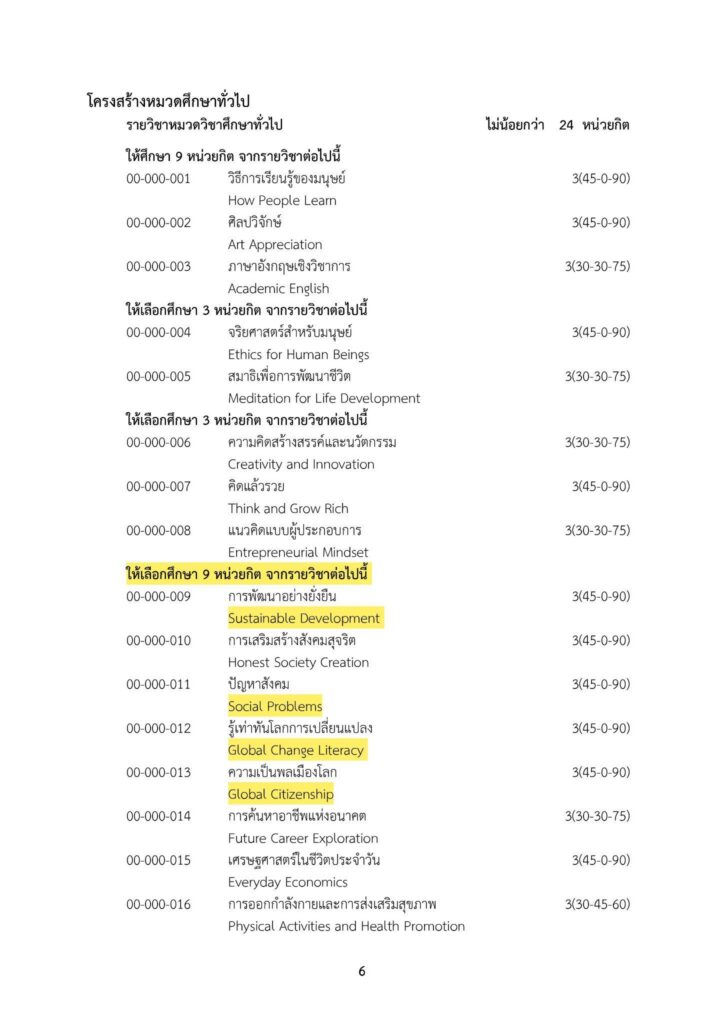
A key element of this commitment is General Education Learning Outcome 2 (GELO2), which requires students to be able to explain approaches to social development in accordance with the Sustainable Development Goals (SDGs). The curriculum includes several courses addressing sustainability-related issues, such as Sustainable Development (00-000-009), Social Problems (00-000-011), Global Change Literacy (00-000-012), and Global Citizenship (00-000-013). These courses explore environmental challenges, social inequality, responsible citizenship, resource management, and sustainable development from different perspectives.
In practice, undergraduate programmes generally offer Sustainable Development (00-000-009) as a principal course within this elective group. This three-credit course explicitly covers all 17 United Nations SDGs and the three pillars of sustainable development. Its content addresses environmental, economic, and social sustainability, including climate change, biodiversity loss, natural resource depletion, and pollution. Students also explore approaches to improving quality of life through sustainable practices, changes in attitudes and behaviours, and methods for assessing sustainable development outcomes.
Another relevant course is Global Citizenship (00-000-013), which examines globalization, global inequalities in health and well-being, poverty, and access to natural resources. The course also addresses the ethical responsibilities of global citizens, intercultural understanding, and the impacts of inequality and discrimination on society, the environment, food, energy, and technology. Through these topics, students develop an understanding of global challenges and the responsibilities of individuals within an interconnected world.
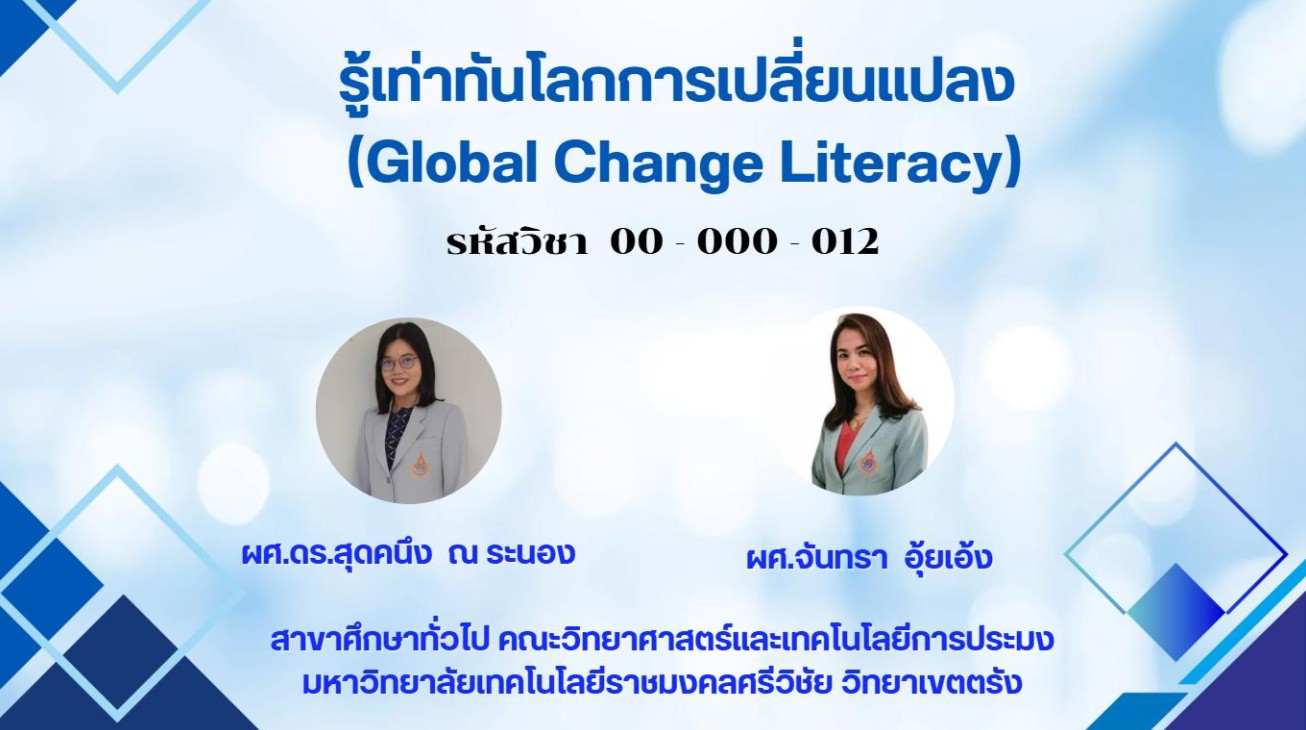
Global Change Literacy (00-000-012) further strengthens sustainability education by examining global changes across environmental, economic, and social dimensions. The course addresses climate change, biodiversity loss, natural resource consumption, pollution-related health risks, and the implications of unsustainable production and consumption patterns. It also introduces Thailand’s Bio-Circular-Green (BCG) Economy Model and encourages students to consider how changes in attitudes, behaviours, and lifestyles can contribute to more sustainable development.
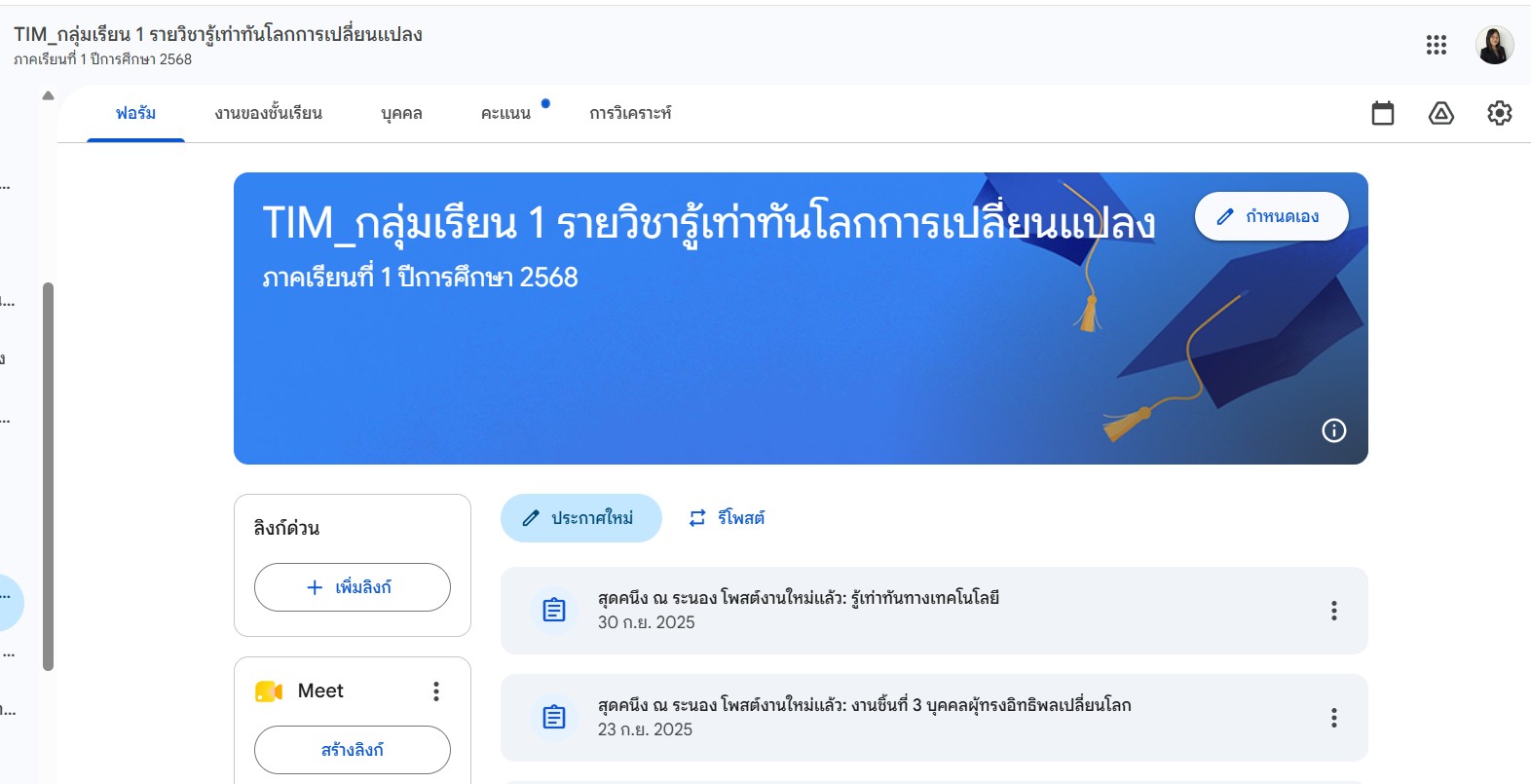
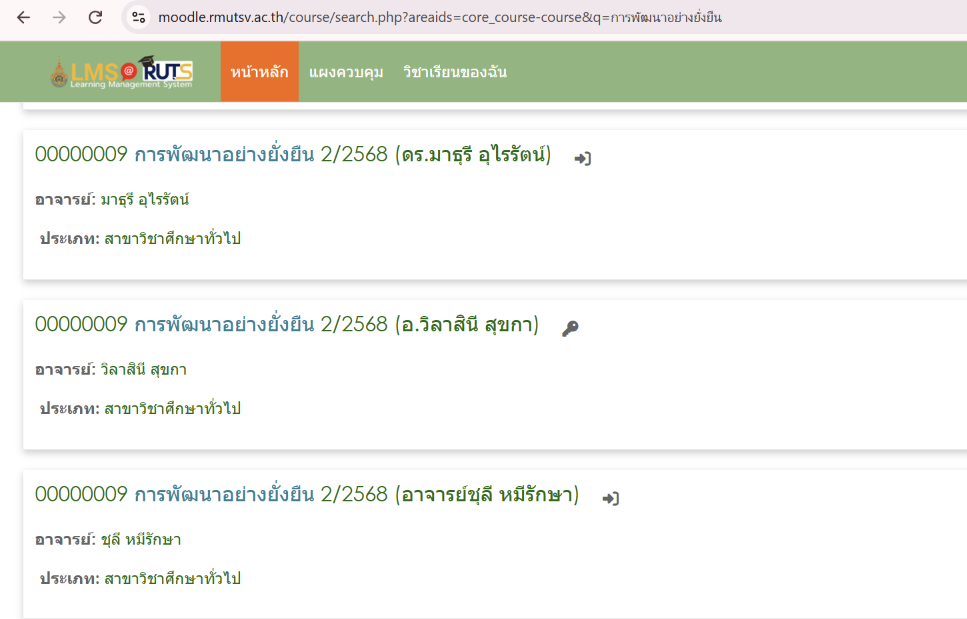
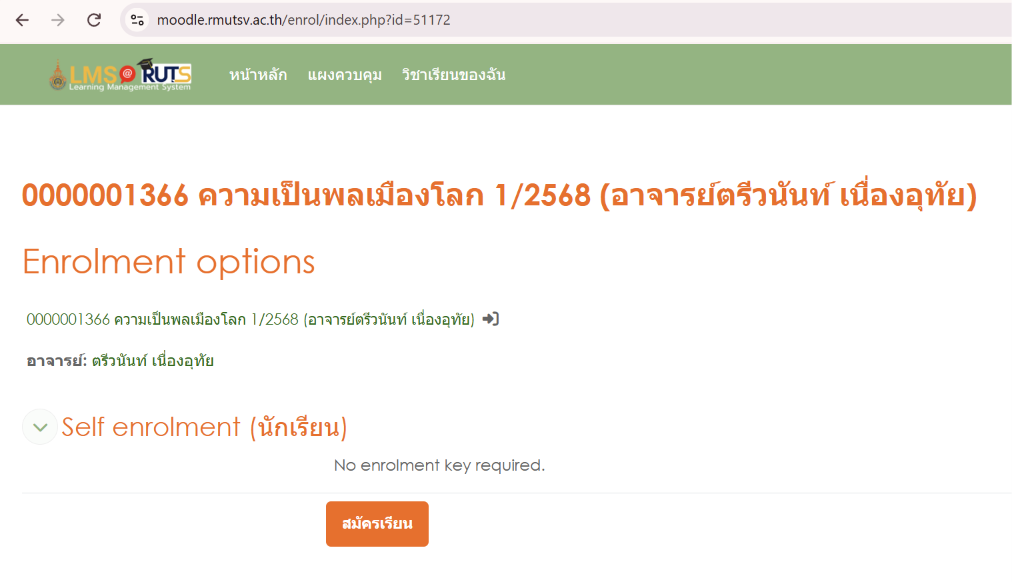
The implementation of sustainability-related education is further demonstrated through actual course offerings and student enrolment records for these courses, providing evidence that sustainability education is delivered in practice as part of the university’s General Education Curriculum.