
Rajamangala University of Technology Srivijaya (RUTS) offers dedicated courses addressing sustainability and the Sustainable Development Goals (SDGs) through its General Education Curriculum (Revised Edition, B.E. 2566), implemented since the first semester of the 2023 academic year. The curriculum includes courses that provide students with knowledge of environmental, social, and economic sustainability, global challenges, and responsible citizenship. These courses form part of the university’s general education offerings and provide opportunities for undergraduate students across different academic disciplines to engage with sustainability-related issues.
Sustainable Development (00-000-009) is a three-credit course that provides students with a comprehensive understanding of sustainable development and all 17 United Nations Sustainable Development Goals (SDGs). The course examines the environmental, economic, and social dimensions of sustainability, while encouraging students to develop awareness of global challenges and consider how their attitudes, behaviours, and lifestyles can contribute to a more sustainable future.
Course Description:
The King’s philosophy of sufficiency economy; timeline for Sustainable Development (SD); the three pillars of SD; the UN 17 SD Goals; factors that affect the environmental, economic and social sustainability of communities; cause of degrading natural system, diminished resources, changes of climate, loss of biodiversity and increased health risks from pollution; how to improve quality of life in a sustainable way and changing of attitude, awareness, behavior, and lifestyle; methods for assessing the achievement of SDG.

Global Change Literacy (00-000-012) is a course that develops students’ understanding of global changes and their implications for sustainable development. It explores the relationships between human activities, environmental challenges, economic development, and resource sustainability. The course also encourages students to recognize the importance of responsible consumption, environmental awareness, and behavioural changes in addressing global sustainability challenges.
Course Description:
Environmental, economic and social dimensions of global changes; human dimensions of global environmental change; changing patterns of consumption, production, and utilization of natural resources; economic development achieved at the expense of natural resources, change of climate, loss of biodiversity, and increasing health risk from pollution; the implications of overuse of resources, population growth, economic growth and sustainability; person change of attitude, awareness, behavior, and life styles; Thai’s Bio-circular-Green Economy model.
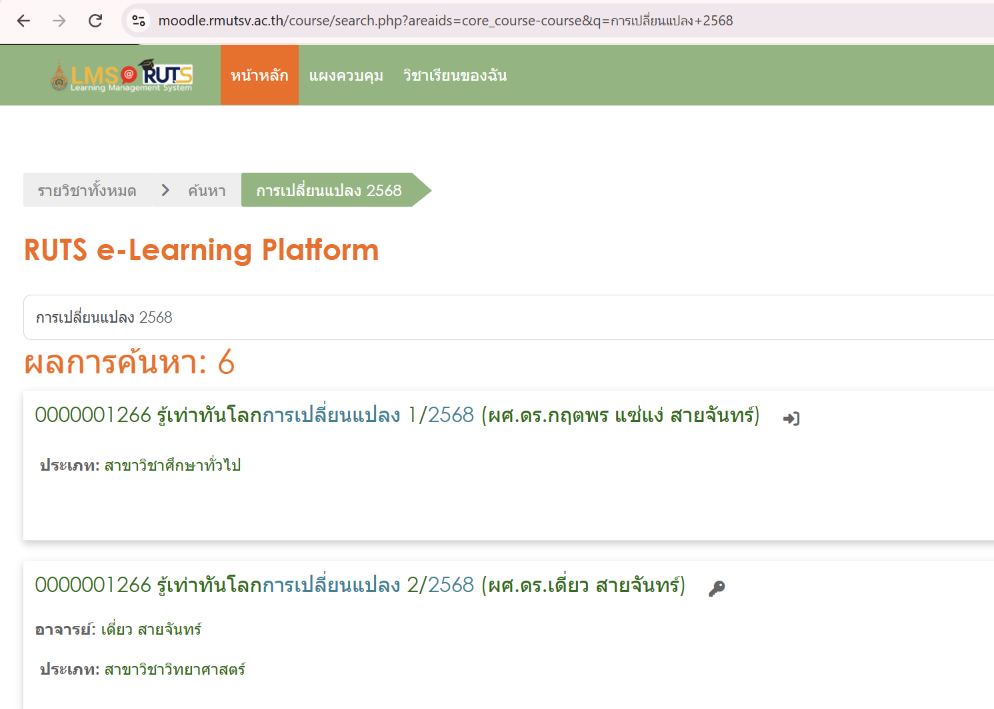
Global Citizenship (00-000-013) develops students’ understanding of global citizenship and their responsibilities in an interconnected world. The course emphasizes awareness of global inequalities, social justice, cultural diversity, and ethical responsibility, encouraging students to recognize the social dimensions of sustainable development and their roles in addressing shared global challenges.
Course Description:
Concepts of globalization and global citizenship; the interconnection in various issues between people, institutions, and societies across the world; literacy, competency, values, and necessary traits to become a global citizen; global inequalities in health, well-being and natural resources; intercultural communication; global division by race, ethnicity, culture, society, and nation; economic and cultural dimensions of globalization; global poverty and healthy society; ethics of global citizenship; the impact of inequality and discrimination related to social, environment, food, energy, and technology; preparing oneself to work in multicultural, diverse and global work environment.
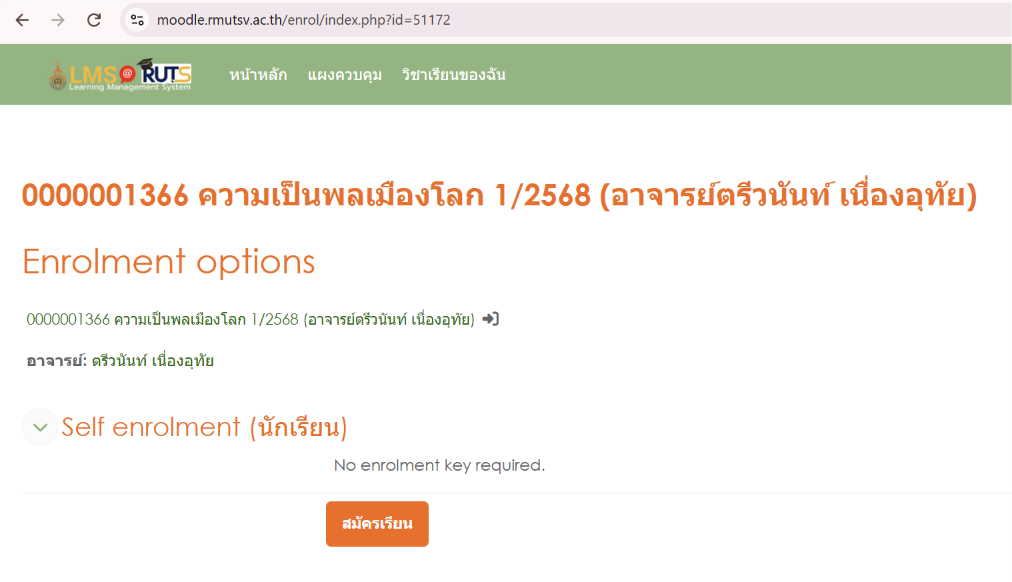
These courses are included in the university’s officially approved General Education Curriculum and are supported by actual course offerings and student enrolment records. Their implementation is documented through the university’s academic records and Learning Management System (LMS), demonstrating the provision of dedicated sustainability-related education to undergraduate students.