
Institutional Commitment to Wastewater Management and Water Pollution Prevention
Rajamangala University of Technology Srivijaya (RUTS) recognizes that effective wastewater management is essential to maintaining a healthy campus environment, protecting surrounding water resources, and supporting sustainable university operations. As part of its commitment to environmental responsibility, the University has established institutional measures to ensure that wastewater generated from campus activities is properly managed and that potential sources of water pollution are addressed.
This commitment is formally supported by the University’s Announcement on Wastewater Guidelines and Standards A.D. 2022, which was officially approved and signed by the University President in 2022. The policy has remained in effect and has been continuously implemented through 2026, including the 2025 reporting year. It provides a framework for managing wastewater treatment systems, maintaining essential infrastructure, preventing water pollution, and monitoring wastewater management practices across university facilities.
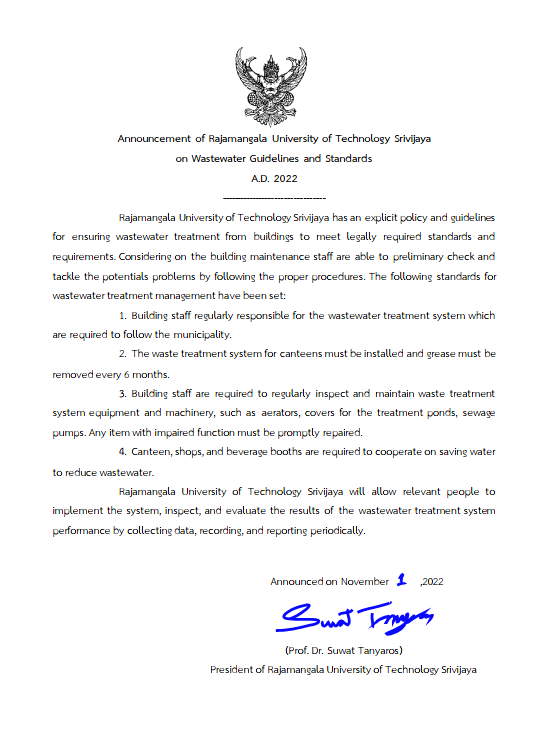
officially approved and signed by the University President
Rather than focusing solely on wastewater treatment after it has been generated, RUTS adopts an approach that combines preventive measures, routine maintenance, and operational monitoring. This helps reduce the risk of water contamination while supporting the continued effectiveness of wastewater treatment facilities.
Wastewater Treatment and Management Practices
Wastewater generated from university buildings, canteens, food preparation areas, and other campus facilities is managed through treatment arrangements appropriate to the activities and infrastructure of each location. These arrangements include preliminary wastewater treatment at individual buildings, grease separation at food service facilities, and biological treatment supported by mechanical aeration. Treated wastewater is subsequently directed through designated discharge arrangements, including connections to the municipal wastewater collection system where applicable. To maintain the effectiveness of these systems, the University’s policy requires responsible personnel to conduct regular inspections and maintenance of wastewater treatment facilities. Particular attention is given to essential equipment, including aerators, sewage pumps, and treatment pond covers. Any malfunctioning components are to be repaired promptly to minimize disruptions to treatment operations.
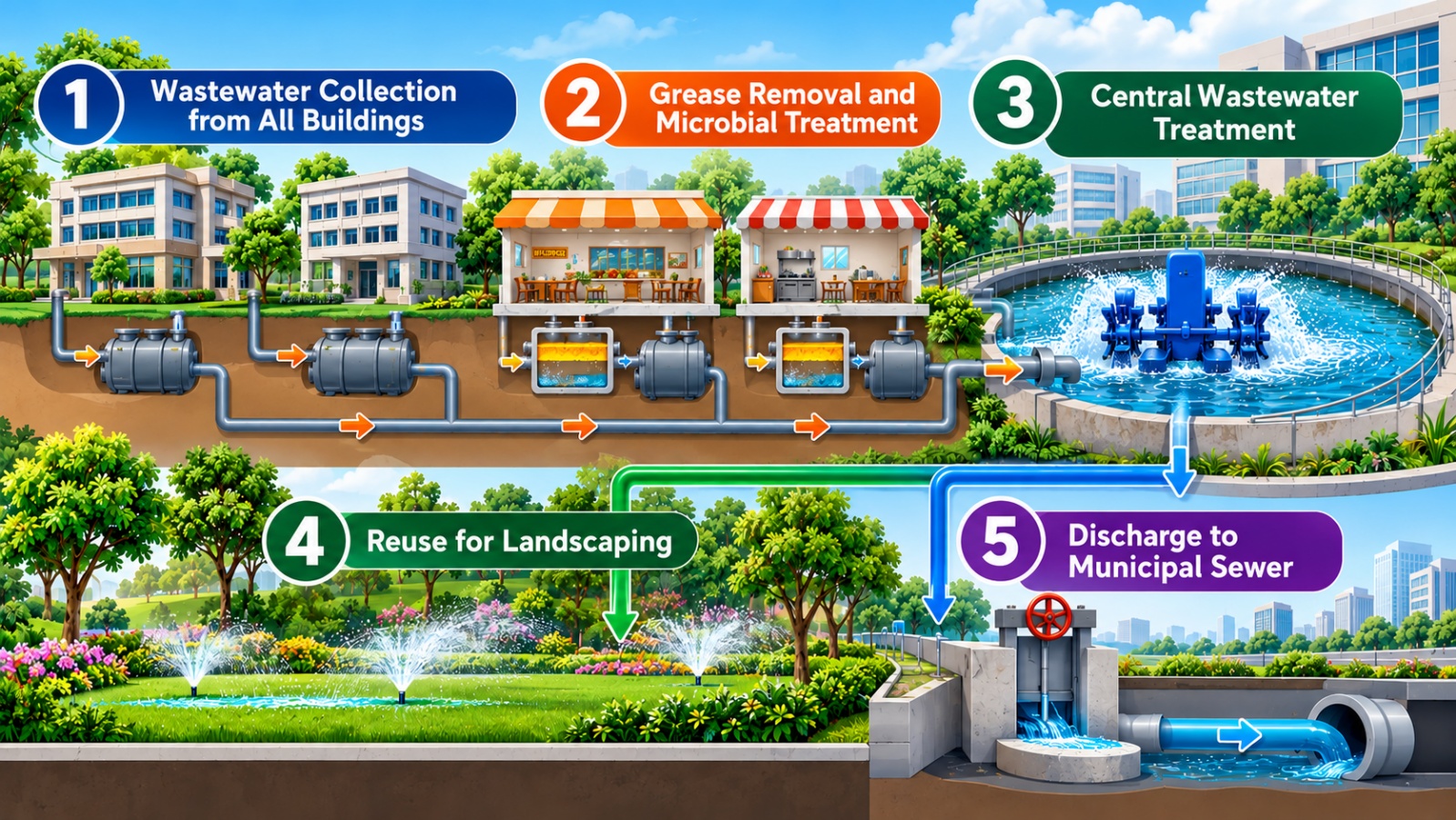
Figure 2. Wastewater treatment facilities and associated infrastructure at RUTS
Campus canteens and food service areas are also subject to specific wastewater management requirements. These include the maintenance of wastewater treatment arrangements and grease removal at six-month intervals to prevent the accumulation of fats, oils, and grease that could interfere with treatment processes or contribute to water pollution. Through these measures, RUTS seeks to ensure that wastewater from routine campus activities is appropriately managed before discharge, while maintaining the operational reliability of its treatment infrastructure.
Water Pollution Prevention Measures
In addition to wastewater treatment, RUTS places importance on preventing water pollution at its source. The University’s wastewater policy establishes practical measures to reduce contamination risks and minimize the environmental impacts associated with daily campus operations. Regular inspection and preventive maintenance are central to this approach. By identifying equipment deterioration, operational problems, or potential treatment system failures at an early stage, responsible personnel can take corrective action before these issues affect wastewater treatment performance. Grease management in campus canteens is another important preventive measure. Scheduled grease removal helps reduce the amount of fats, oils, and grease entering wastewater systems, lowering the risk of blockages and treatment inefficiencies.
The University also encourages food outlets and beverage vendors to adopt water conservation practices in their daily operations. Reducing unnecessary water use can help limit the volume of wastewater generated and ease the demand placed on treatment facilities. Together, these measures reflect the University’s emphasis on preventing pollution before it occurs, rather than relying exclusively on treatment and corrective action after contamination has taken place.
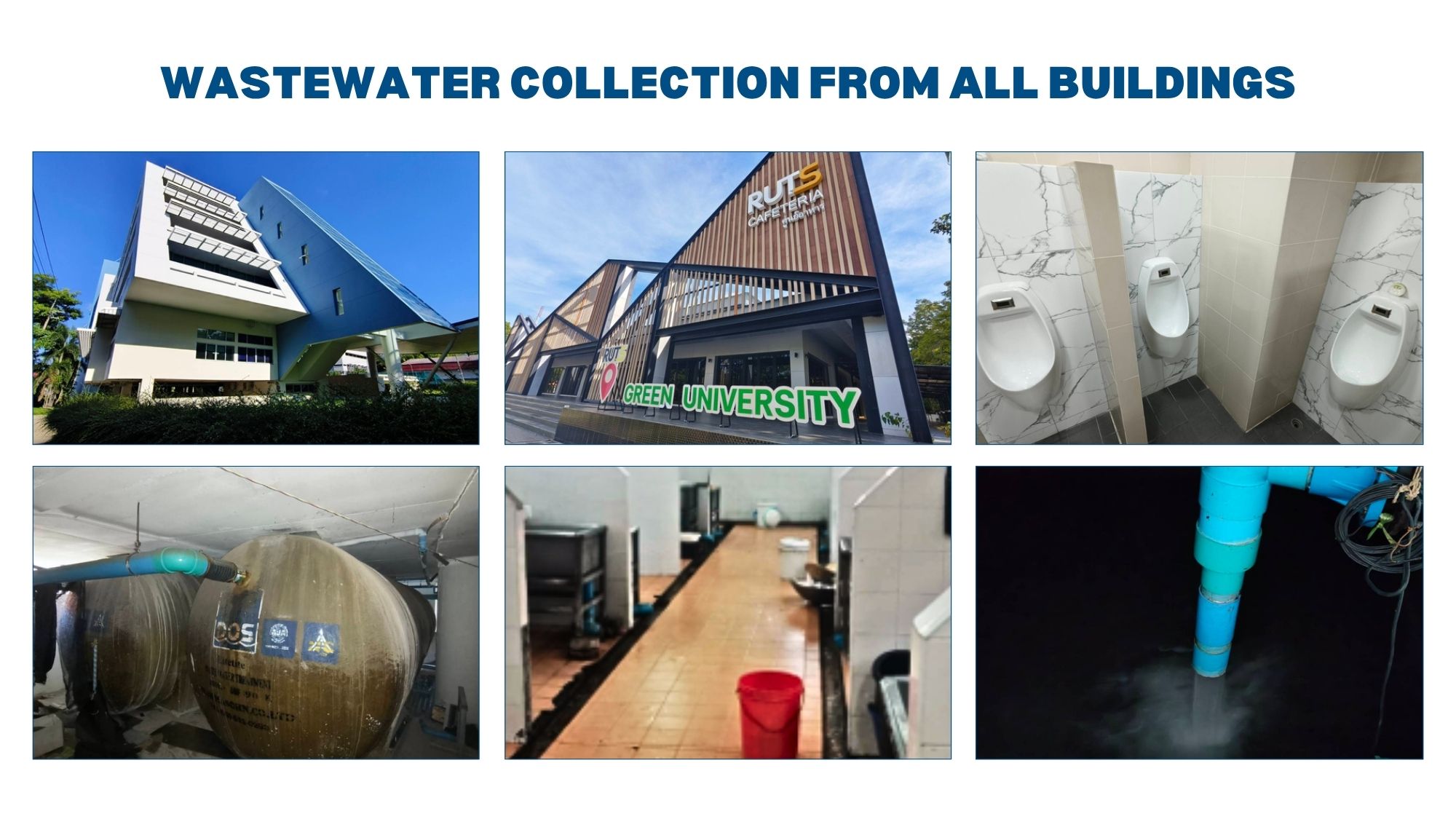
Figure 3. Wastewater collection from all buildings
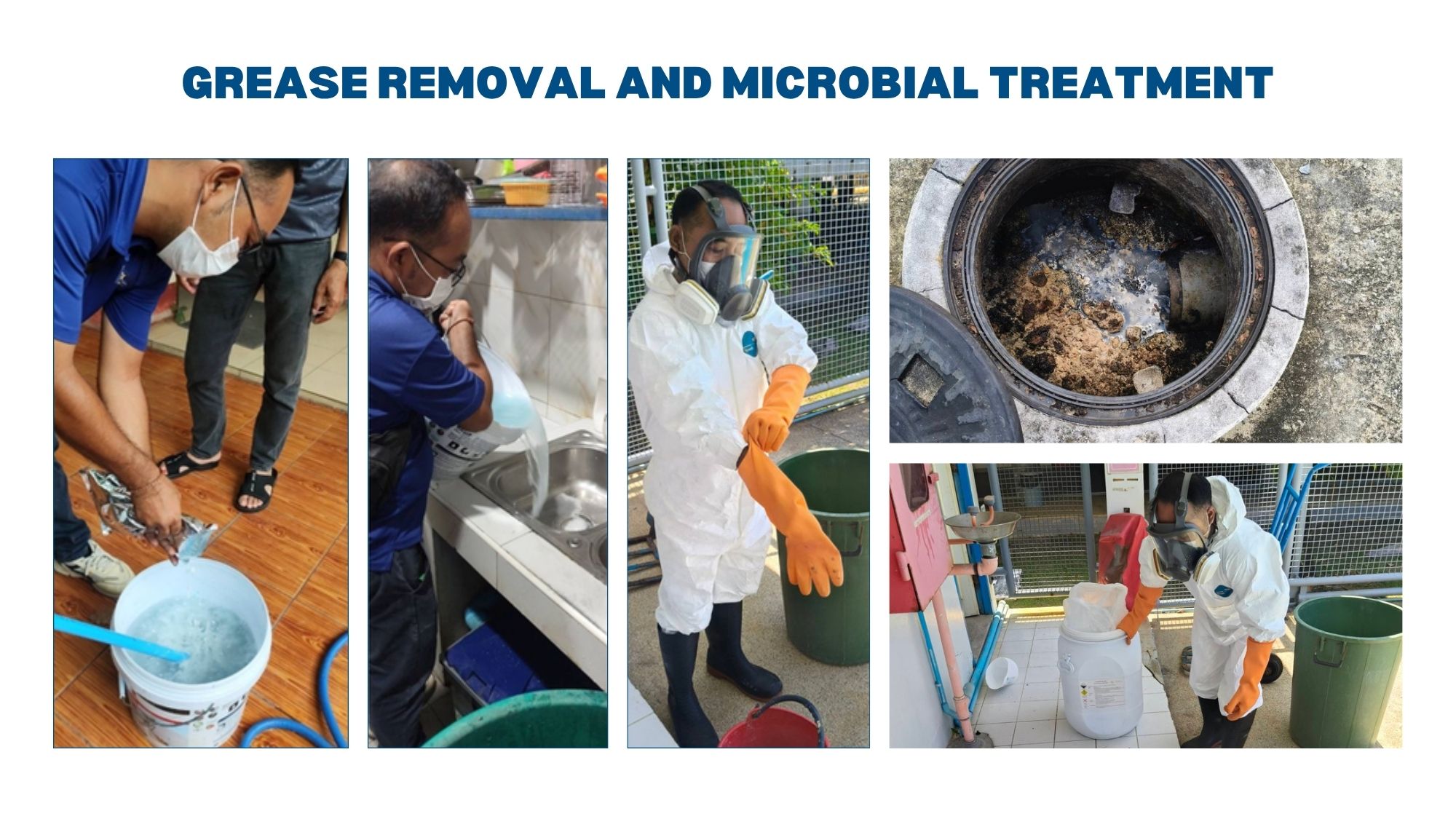
Figure 4. Grease removal and microbial treatment
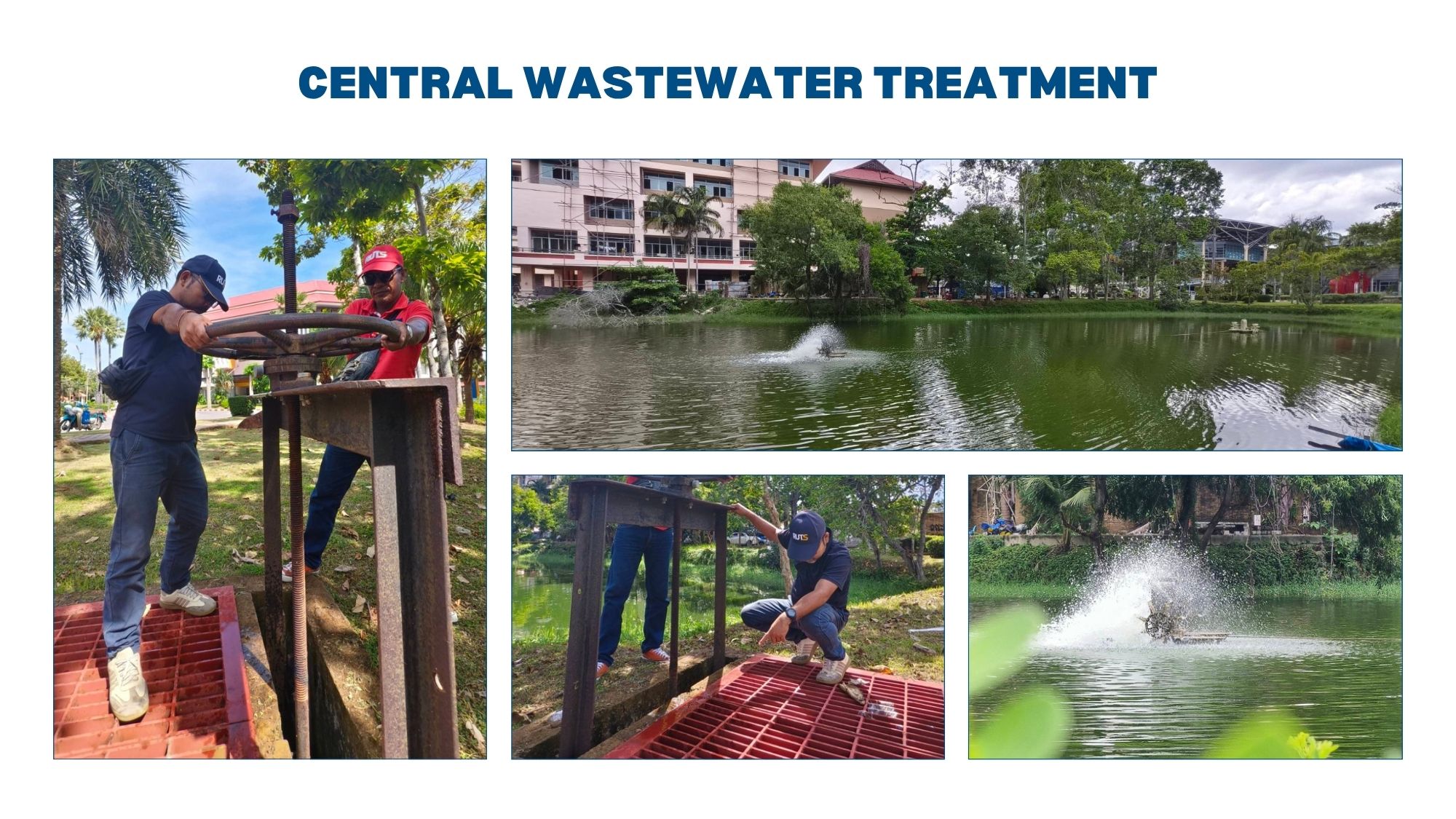
Figure 5. Central wastewater treatment

Figure 6. Reuse for landscaping
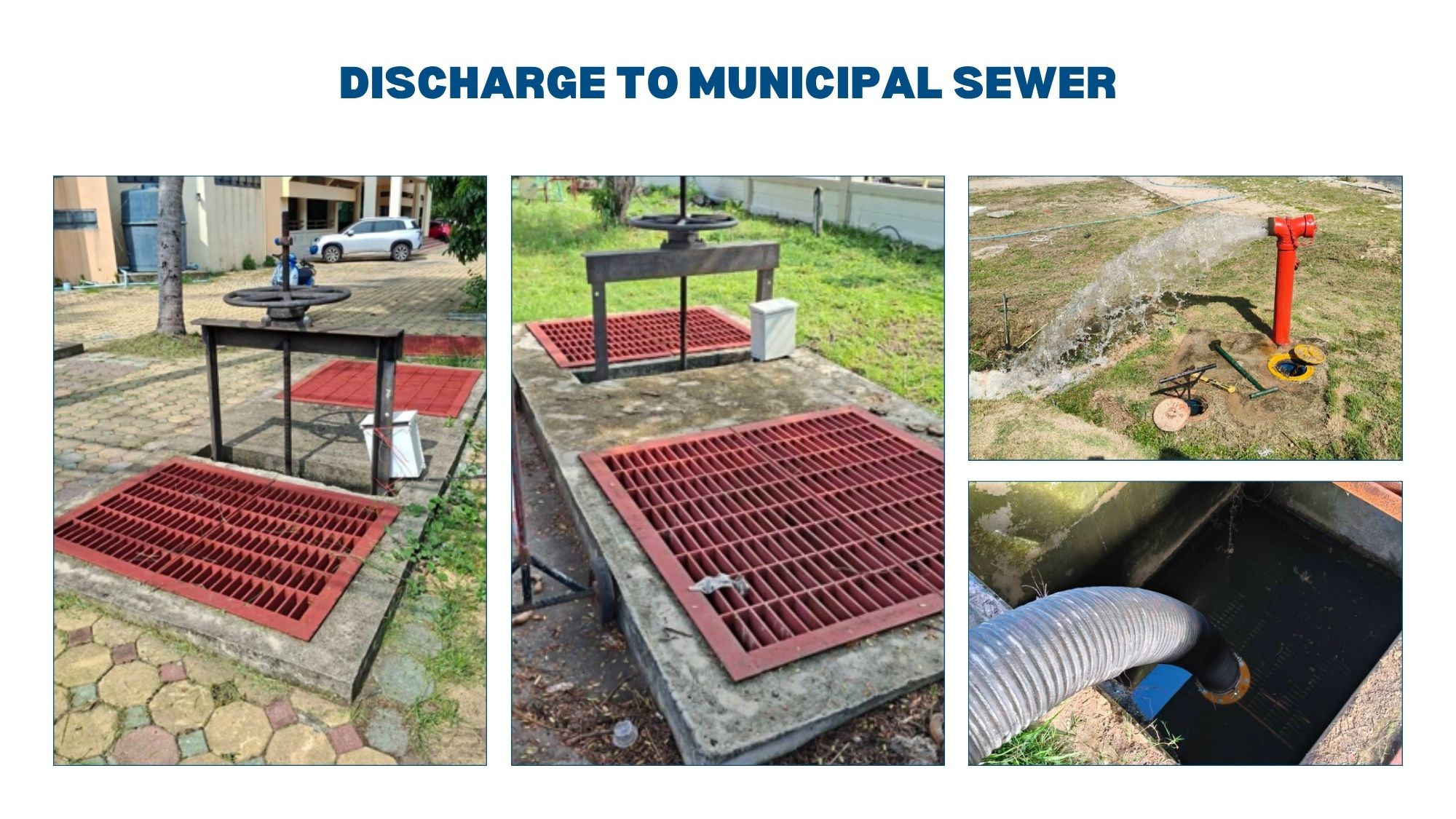
Figure 7. Discharge to municipal sewer
Monitoring, Maintenance and Institutional Oversight
Effective wastewater management requires continued attention beyond the installation of treatment infrastructure. For this reason, the University’s policy provides for periodic data collection, recordkeeping, reporting, and evaluation of wastewater treatment performance.
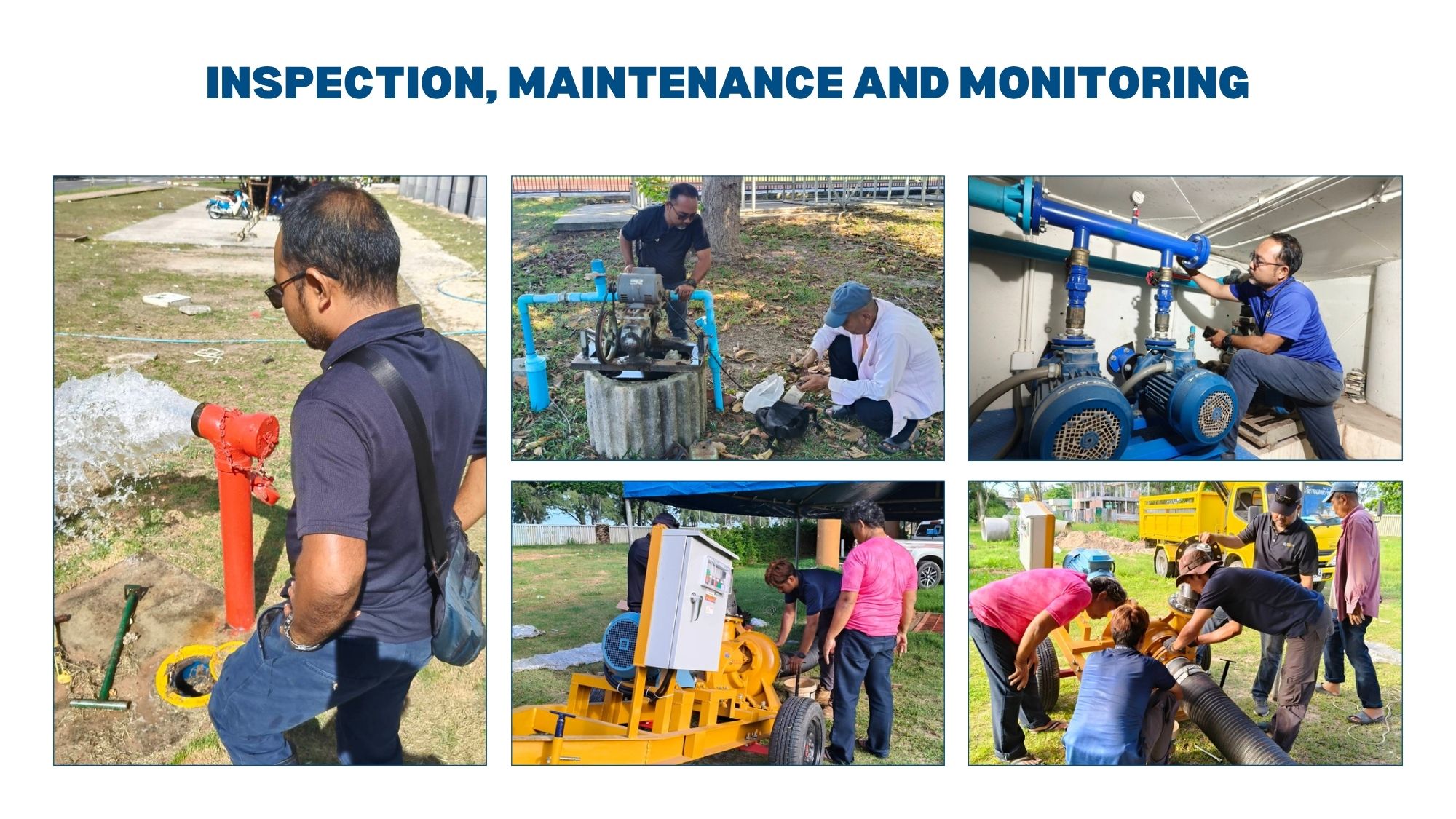
Figure 8. Inspection, maintenance and monitoring activities supporting wastewater management at RUTS.
Responsible personnel are expected to monitor the condition and operation of wastewater treatment facilities, maintain essential equipment, and address identified problems in a timely manner. These responsibilities support the University’s ability to identify operational concerns, plan maintenance activities, and improve wastewater management practices over time. The continued application of the 2022 policy during the 2025 reporting year demonstrates that wastewater treatment and water pollution prevention are recognized as ongoing institutional responsibilities, rather than isolated environmental activities. By integrating wastewater treatment, preventive maintenance, source reduction, and operational monitoring into its institutional framework, RUTS strengthens its approach to environmental management and supports the protection of water resources within and around its campuses.
Continuous Improvement and Environmental Responsibility
Wastewater management and water pollution prevention remain important aspects of environmental management at Rajamangala University of Technology Srivijaya (RUTS). Through its established institutional policy and routine operational practices, the University continues to maintain wastewater treatment facilities, promote preventive maintenance, and encourage responsible water use across campus activities. The implementation of these measures reflects RUTS’s commitment to reducing the environmental impacts of its operations and protecting surrounding water resources. By combining wastewater treatment with pollution prevention, regular monitoring, and ongoing maintenance, the University aims to improve the reliability of its wastewater management systems and minimize potential risks to water quality. Looking ahead, RUTS will continue to strengthen its wastewater management practices through regular system maintenance, operational monitoring, and greater awareness of responsible water use among the university community. These efforts form part of the University’s broader commitment to environmental sustainability and responsible campus management.
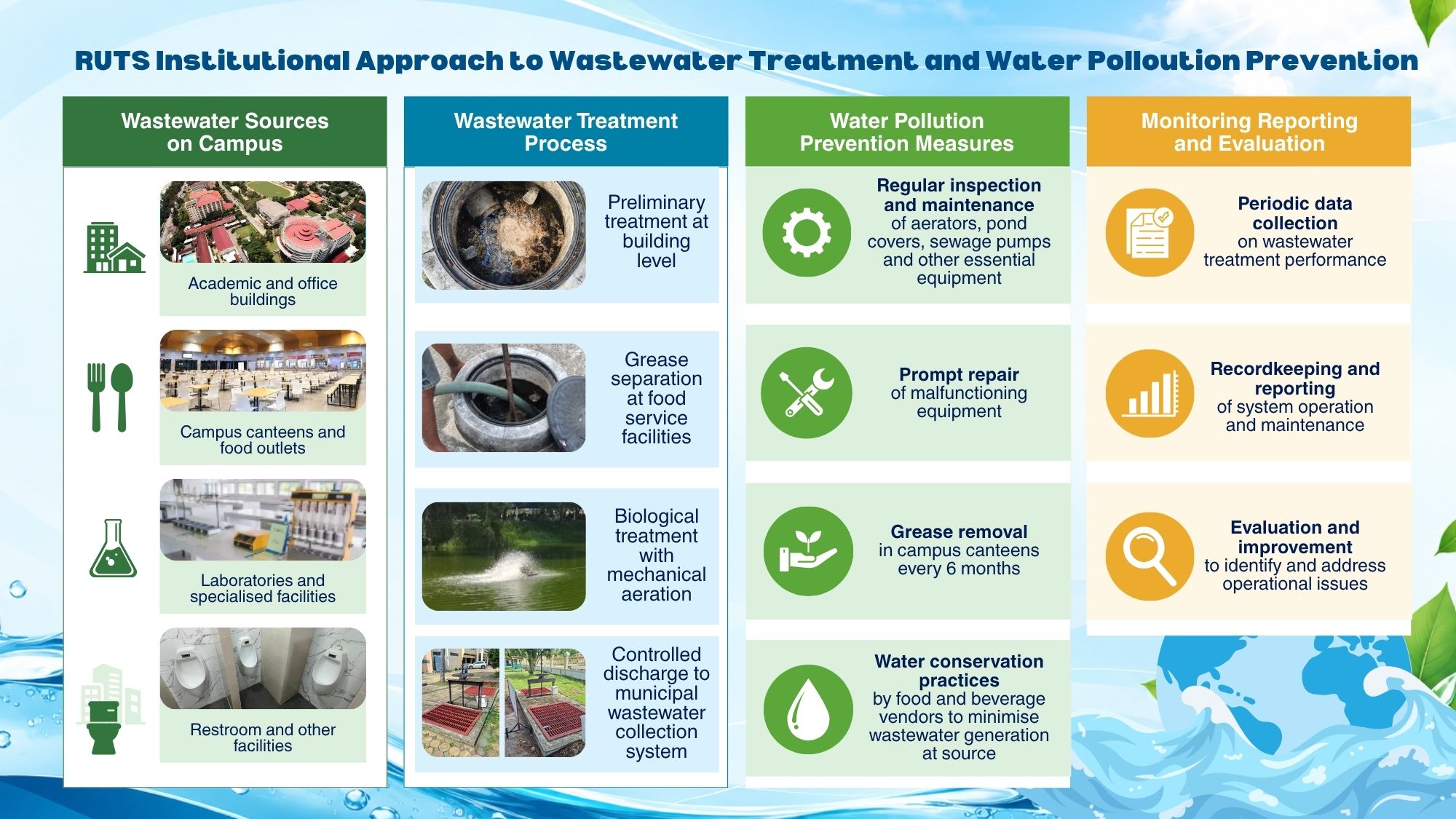
Figure 9. RUTS institutional approach to wastewater treatment and water pollution prevention in support of SDG 6