
Sustainable Campus Landscaping
Rajamangala University of Technology Srivijaya (RUTS) maintains landscaped areas and green spaces across its campuses to provide pleasant and functional surroundings for students, staff, and visitors. These areas form an important part of the campus environment, offering greenery, shade, and spaces for everyday activities.
In managing these areas, the university generally selects ornamental plants, shrubs, and trees that are well suited to local climatic conditions and relatively easy to maintain. This approach helps the university maintain its landscaped areas throughout the year while taking into account the resources needed for regular maintenance, including water.
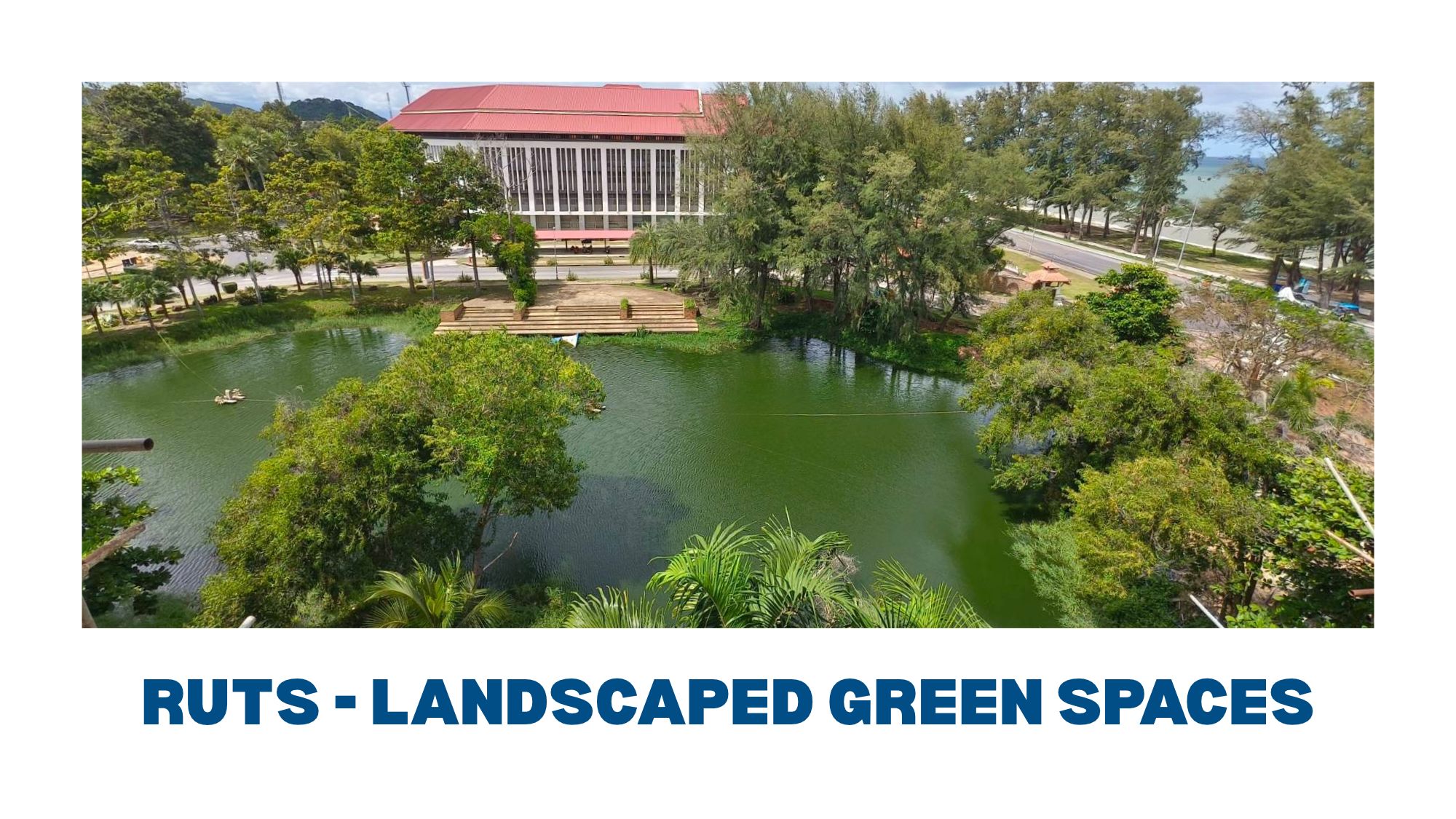
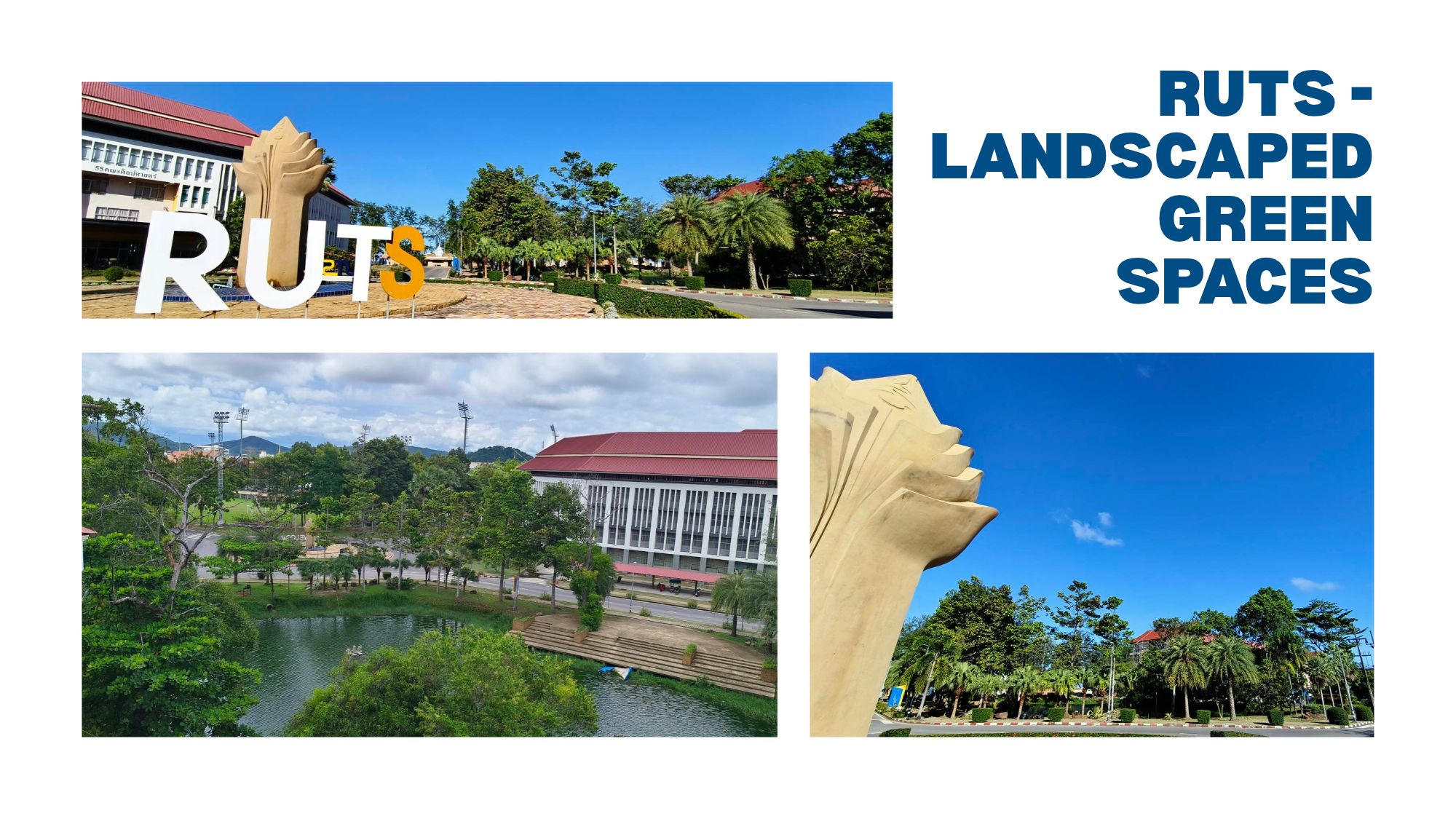
Figure 1: General view of landscaped green spaces and gardens at RUTS
Plant Selection and Landscape Management
The university uses a variety of ornamental plants and trees in its landscaped areas, including Cha Dat (Fukien tea), Ficus species, and selected palm species. These plants can be found in gardens, along walkways, and around university buildings, where they contribute to the appearance and overall environment of the campuses. Plant selection is mainly based on suitability for local growing conditions, ease of maintenance, and the ability to remain healthy and attractive with regular care. Some of the plants also have characteristics that can help manage water use in landscaped areas.
Cha Dat (Fukien Tea)
Cha Dat (Ehretia microphylla) is commonly grown as an ornamental shrub and is often trimmed into hedges or decorative shapes. It is suitable for tropical environments and can be maintained through regular pruning and appropriate watering. Once established, the plant can tolerate some periods of reduced soil moisture, although watering is still necessary during prolonged dry conditions. At RUTS, its use in landscaped areas provides an ornamental planting option that is relatively easy to maintain. Appropriate watering based on soil conditions can also help avoid unnecessary water use.
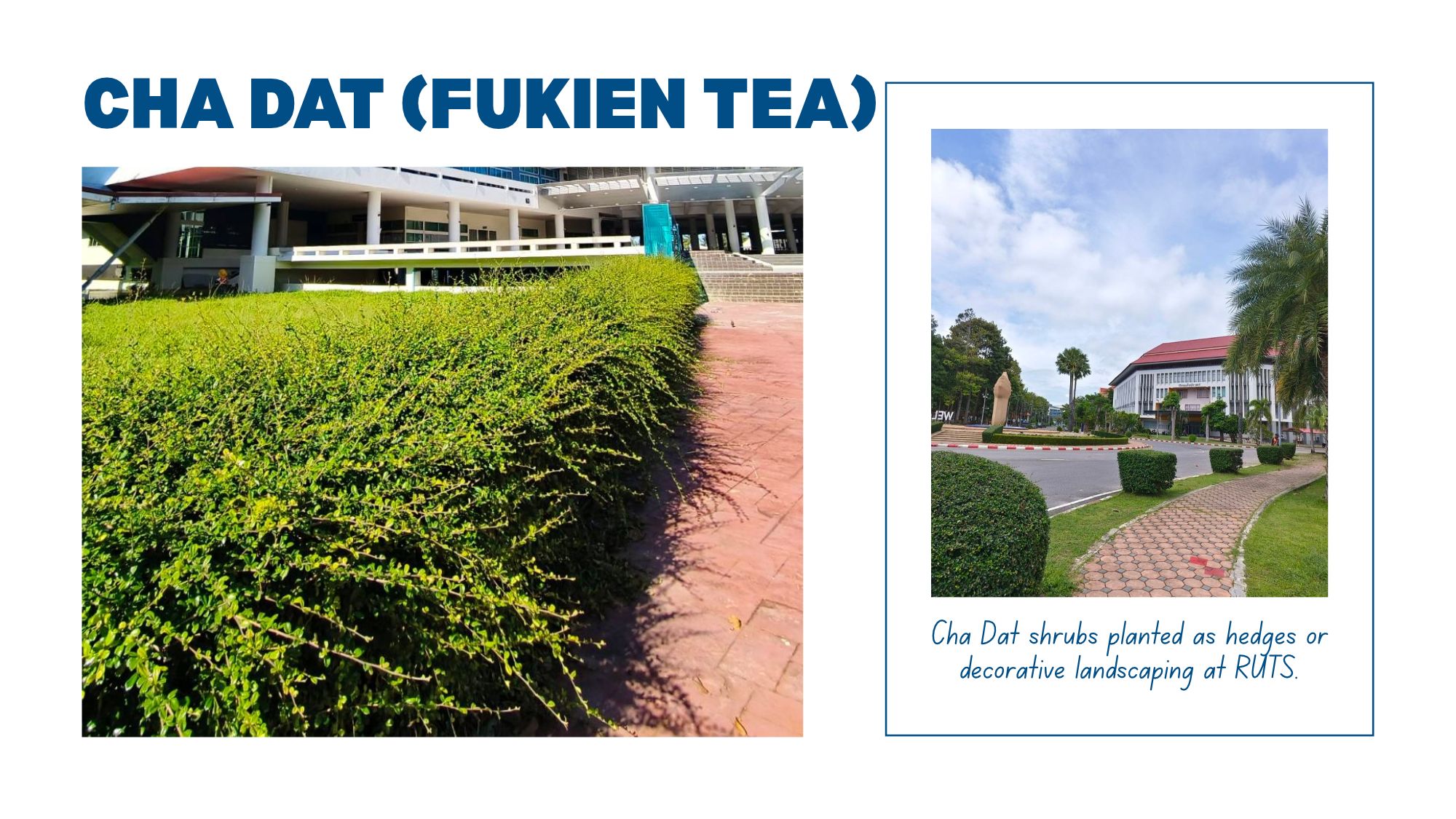
Figure 2: Cha Dat shrubs planted as hedges or decorative landscaping at RUTS
Ficus Species
Ficus species are used in campus landscaping for their dense foliage and ability to provide greenery and shade. Depending on the species and growing conditions, established Ficus trees can tolerate periods of relatively dry weather. One of their main benefits is the shade provided by their canopies. By reducing direct sunlight on the ground, mature trees can help limit evaporation from exposed soil and maintain more favorable moisture conditions in nearby planting areas. This can be particularly useful in landscaped spaces exposed to strong sunlight.
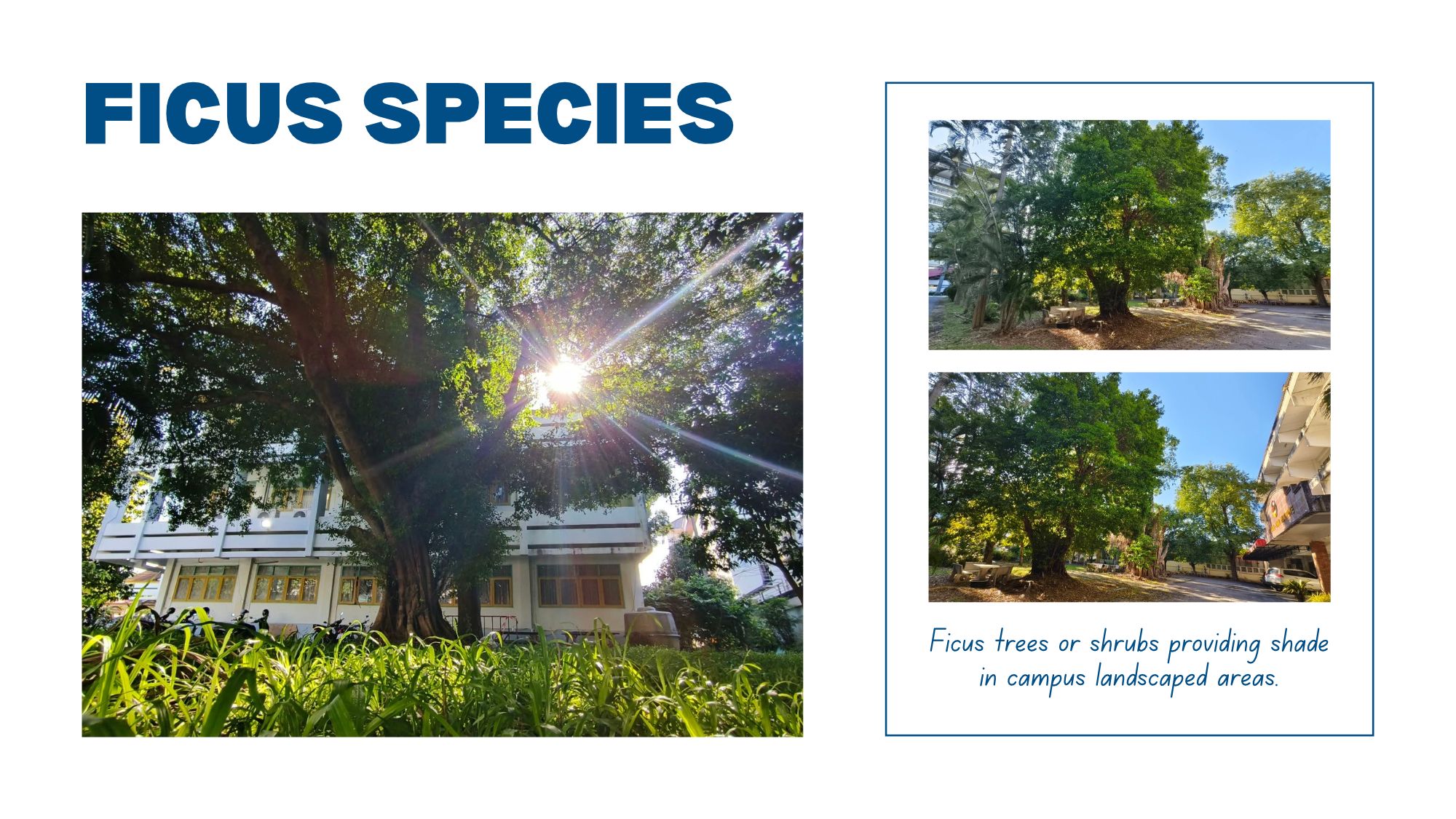
Figure 3: Ficus species providing greenery and shade in landscaped areas at RUTS.
Palm Species
Palm species are also used in landscaped areas around university buildings, gardens, and walkways. They are valued for their appearance and suitability for tropical landscapes, although their water requirements differ considerably between species. Some palms can tolerate relatively dry conditions once established, while others need more regular watering. Selecting species that grow well under local conditions and providing water according to their needs can help avoid unnecessary irrigation and make routine landscape maintenance more manageable.
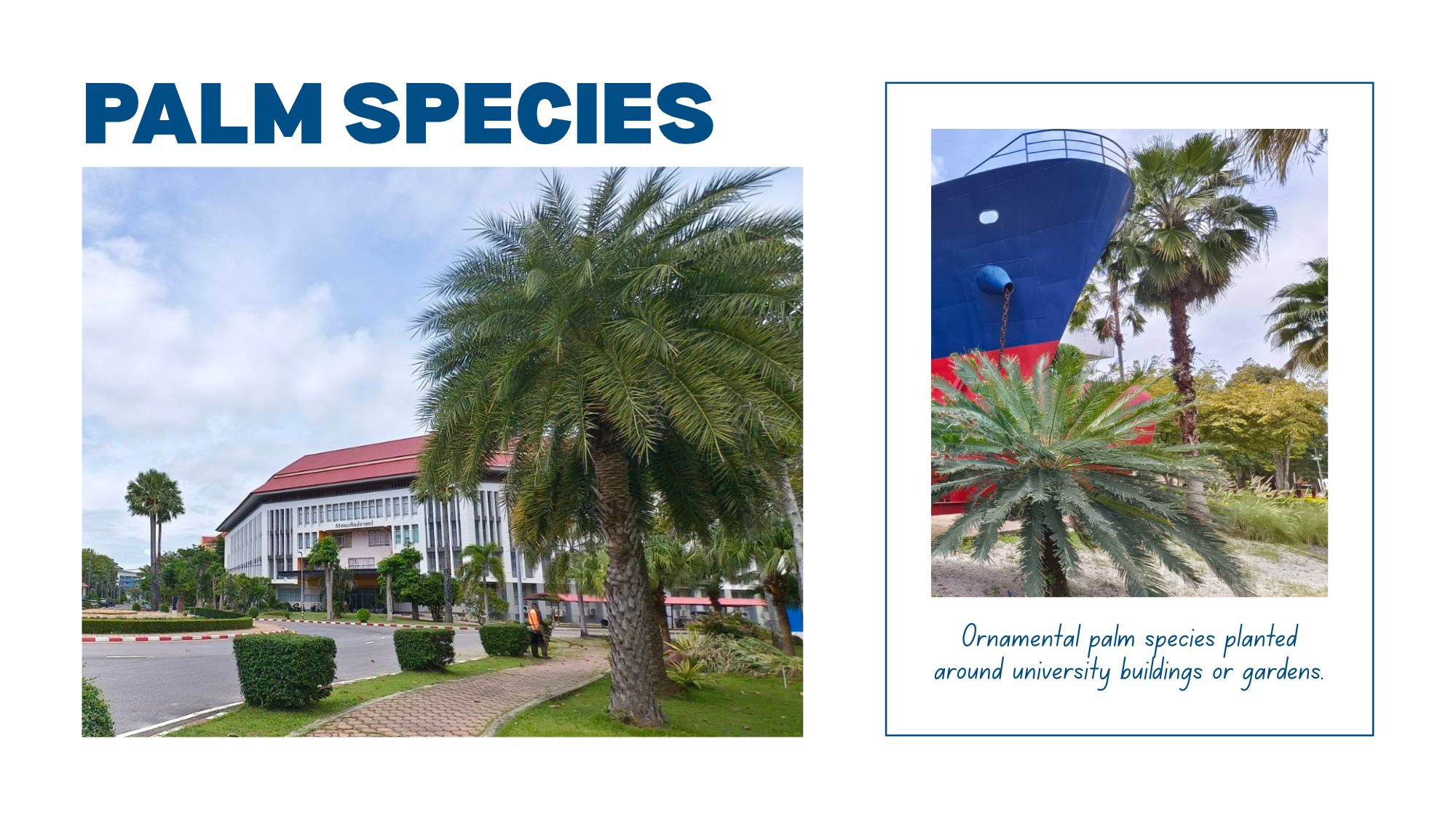
Figure 4: Palm species used in campus landscape design at RUTS.
Water Conservation Benefits of Campus Green Spaces
The university’s approach to landscape management focuses on maintaining healthy and attractive green spaces using plants that are practical to care for under local conditions. Although ease of maintenance is the main consideration in plant selection, some of these choices can also offer benefits for water management. Established plants that are suited to their growing environment may need less frequent supplementary watering than plants with higher water requirements. Trees and shrubs also provide shade, which can reduce direct sunlight on the soil and help retain moisture in landscaped areas. These benefits depend on the plant species, soil conditions, weather, and maintenance practices. For this reason, the university’s landscaping activities are best understood as part of its routine management of campus green spaces, with potential benefits for efficient water use rather than as a separate water-saving planting program. By maintaining established vegetation and selecting plants that are suitable for local conditions, RUTS continues to care for its campus landscapes while considering the efficient use of water and other resources.
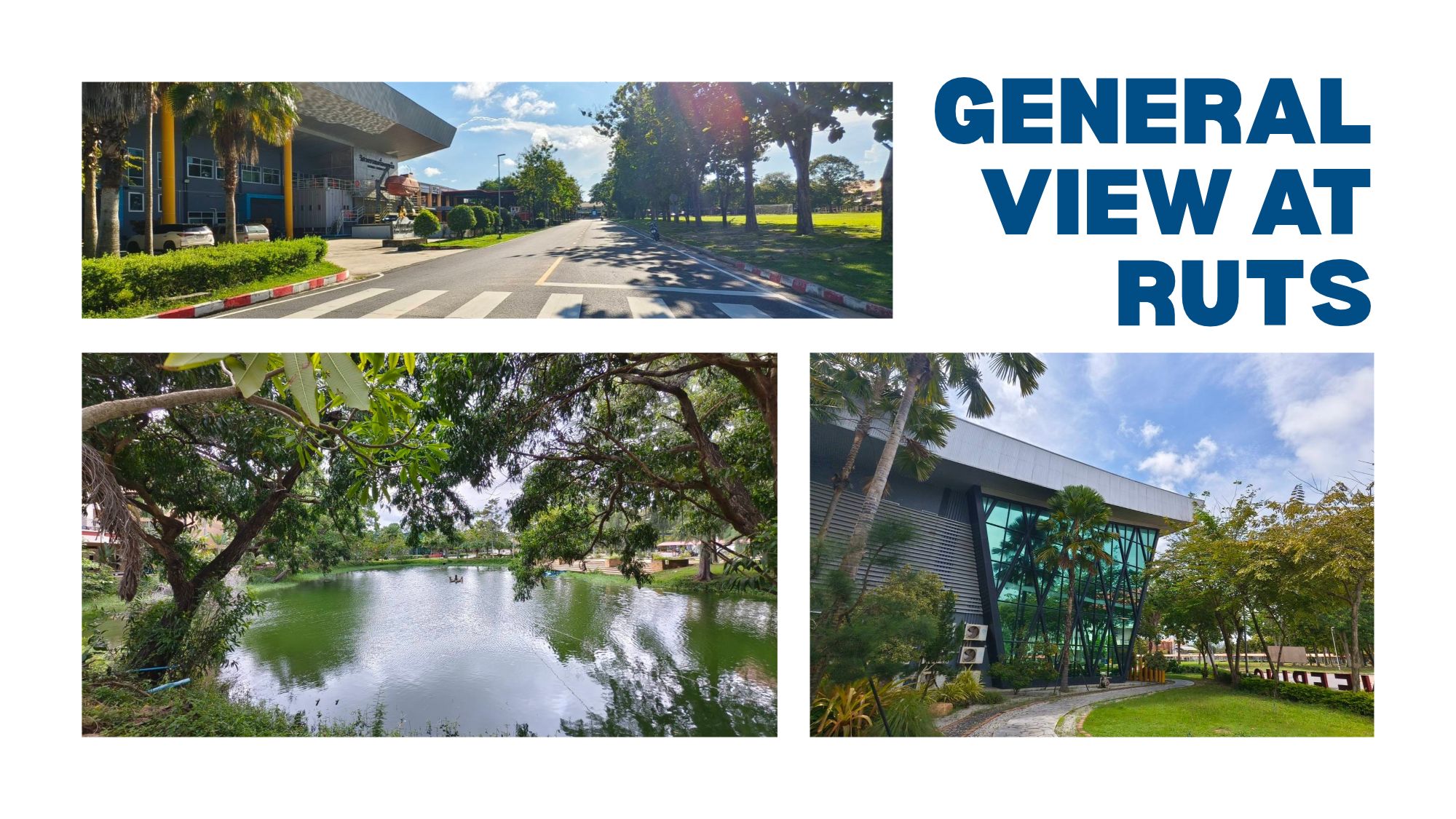
Figure 5: General view of established trees, shaded gardens, and maintained green spaces at RUTS.