
Community Engagement in Water Resource Conservation
Rajamangala University of Technology Srivijaya (RUTS) recognizes the importance of sustainable water resource management in supporting local communities, agricultural livelihoods, and environmental sustainability. Through academic expertise, community engagement, and collaboration with government agencies, the university contributes to initiatives aimed at conserving water resources, maintaining local water infrastructure, and promoting responsible water management practices beyond its campuses. In 2025, RUTS participated in practical community-based water conservation activities and organized educational program to promote awareness of sustainable water management and water-efficient agricultural technologies.
Community-Based Water Conservation and Weir Restoration
On 16 August 2025, the College of Industrial Technology and Management, Rajamangala University of Technology Srivijaya (RUTS), Nakhon Si Thammarat Campus, Khanom Area, participated in a community-based water conservation initiative at the Ban Sai Nuea Royal Initiative Learning Centre, Ban Na Luang Sen Subdistrict, Thung Song District, Nakhon Si Thammarat Province. The Director of the College assigned Assistant Professor Chayanat Buathongkuea, a lecturer in the Civil Engineering Program and an expert associated with the Western Southern River Basin under the Office of the National Water Resources, Regional Office 4, to participate in the initiative together with 35 Civil Engineering students. The activity formed part of the Public Awareness Program on River Basin Water Resource Management in the Western Southern River Basin, organized by the Office of the National Water Resources, Regional Office 4. The program aimed to promote public awareness and participation in the responsible use, development, management, maintenance, restoration, and conservation of water resources within the river basin. More than 100 participants from educational institutions, government agencies, military personnel, youth groups, and local communities took part in the program.
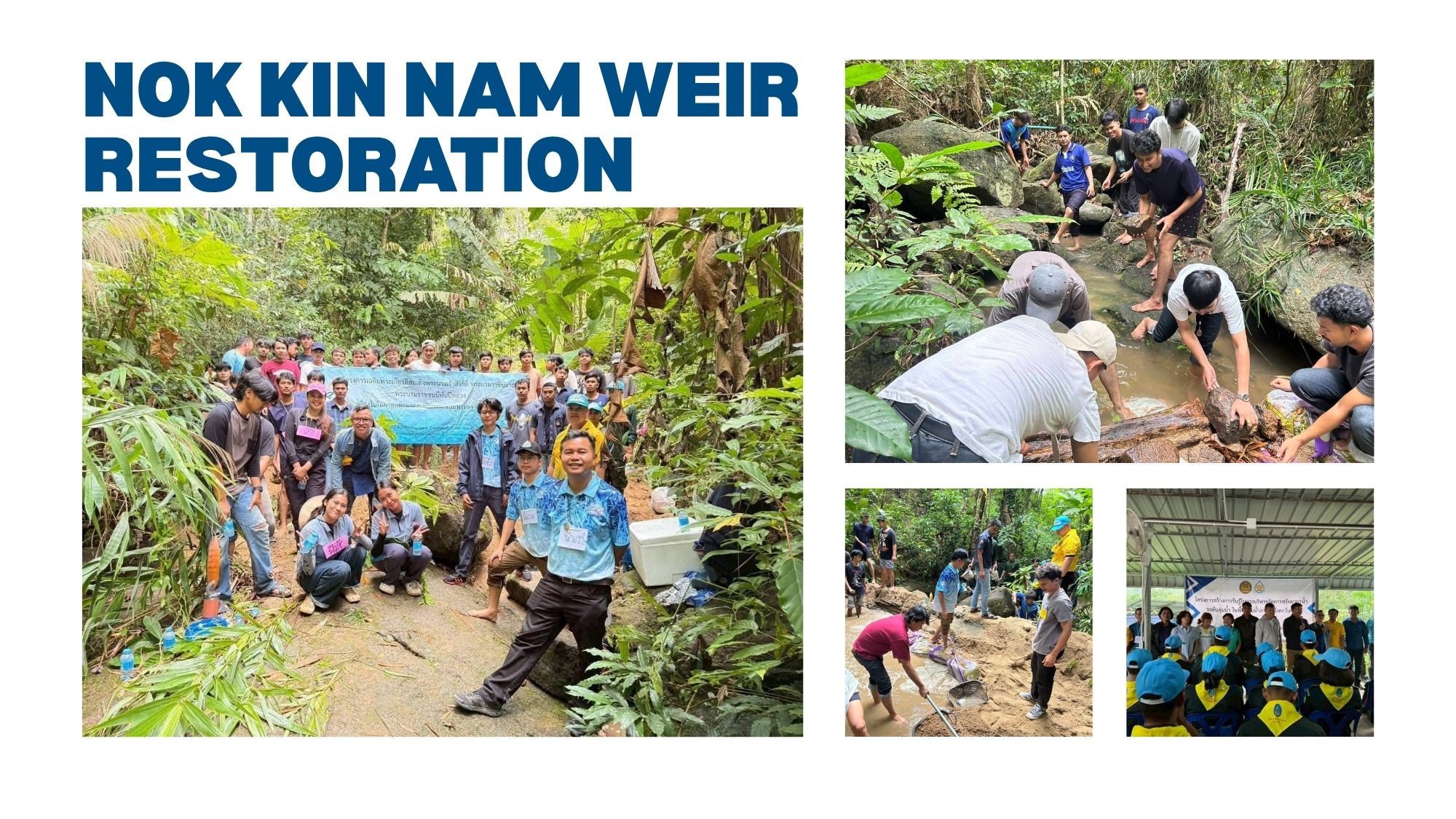
Figure 1. RUTS Civil Engineering students and other participants taking part in community-based water conservation activities at Nok Kin Nam Weir, Ban Sai Nuea, on 16 August 2025.
A major component of the initiative involved practical conservation activities at Nok Kin Nam Weir, located in Ban Sai Nuea, Village No. 8, Ban Na Luang Sen Subdistrict. RUTS students worked alongside other participants to remove accumulated sediment, repair and maintain the existing weir, and collect waste from the public watercourse in the upstream forest area. These activities contributed to the maintenance of local water infrastructure and the improvement of environmental conditions surrounding the watercourse. Sediment removal and weir maintenance also supported efforts to preserve the functionality of the existing water retention structure. Through direct participation, RUTS provided practical assistance to community water conservation efforts while enabling students to apply their civil engineering knowledge and skills in a real-world setting.
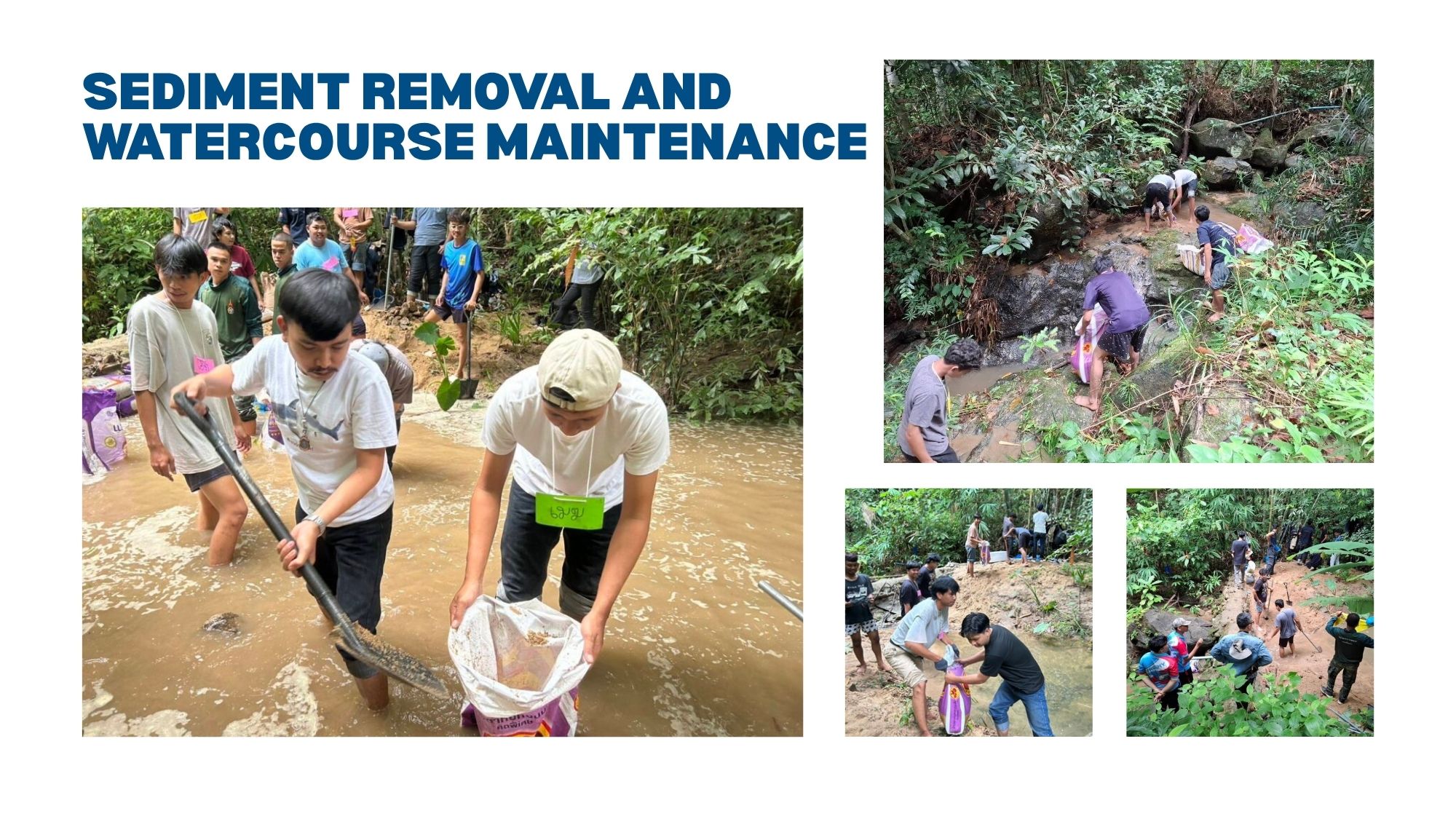
Figure 2. RUTS Civil Engineering students and other participants carrying out sediment removal and watercourse maintenance at Nok Kin Nam Weir, Nakhon Si Thammarat Province.
The initiative demonstrates the university’s involvement in practical water conservation beyond its campuses through cooperation with government agencies, educational institutions, and local communities.
Promoting Watershed Conservation and Community Awareness
In addition to the practical restoration activities, the program included educational sessions designed to strengthen public understanding of sustainable watershed management and the importance of protecting upstream forest ecosystems.
The learning activities covered three main areas:
- Watersheds, upstream forests, and approaches to upstream forest conservation.
- Water resource management practices of community water user organizations and examples of upstream forest conservation.
- Learning activities at the Ban Sai Nuea Sufficiency Economy Development Learning Centre.
These sessions provided opportunities for students, young people, and community members to exchange knowledge and gain a better understanding of the relationship between upstream forest conservation, water resource management, and community well-being. The program also encouraged cooperation among participating organizations and promoted collective responsibility for protecting and maintaining local water resources. The practical conservation activities were additionally conducted as a public service initiative in honor of Her Majesty Queen Sirikit, the Queen Mother, on the occasion of her birthday anniversary on 12 August 2025.
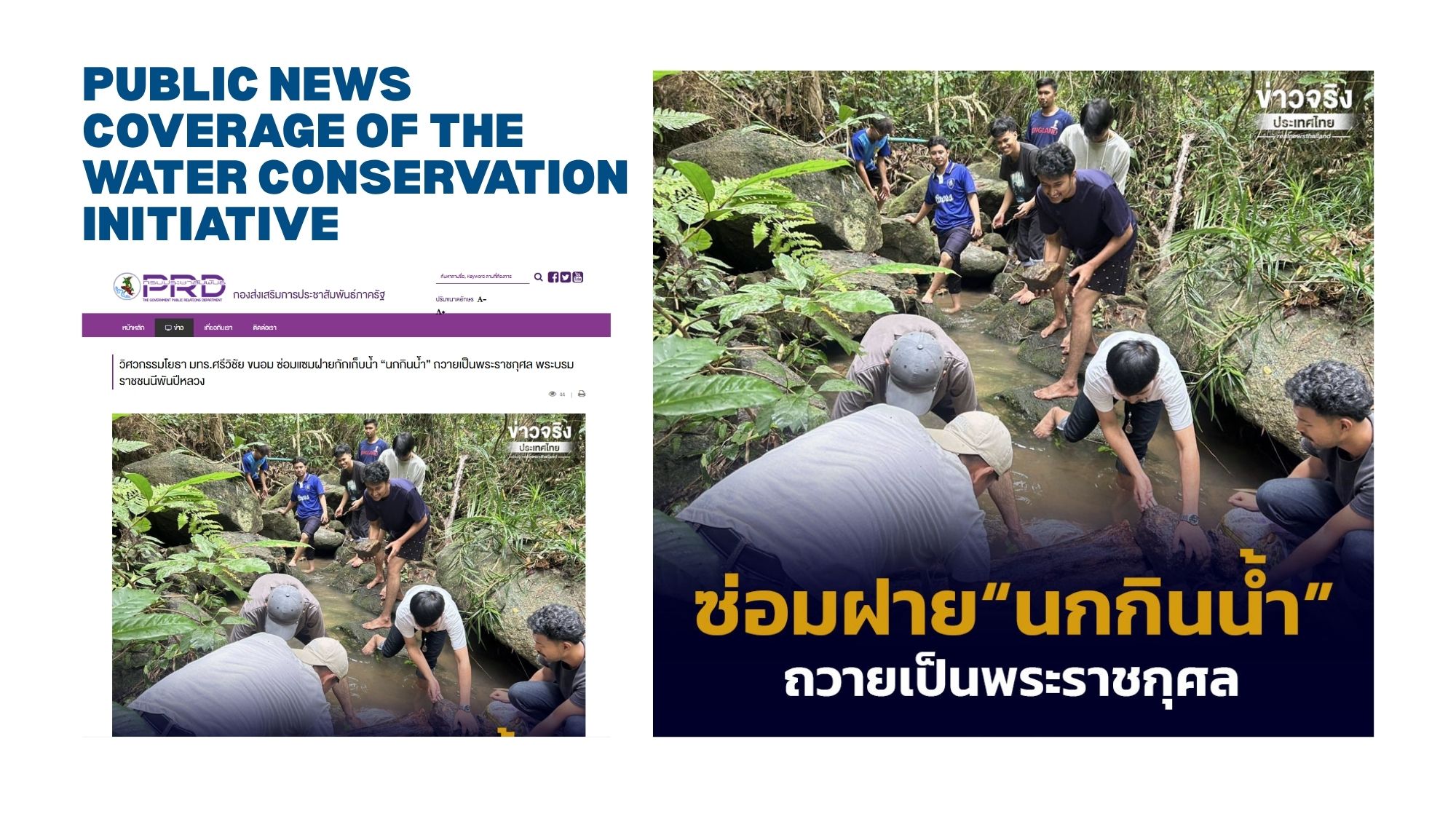
Figure 3. Public news coverage of the Nok Kin Nam Weir restoration initiative, published by Real News Thailand on 17 August 2025.
The university’s participation was publicly reported by Real News Thailand on 17 August 2025, providing accessible documentation of its contribution to community-based water conservation.
Public Evidence: https://www.realnewsthailand.net/article/42399/
Knowledge Transfer for Water-Efficient Agriculture
Alongside its participation in community-based water conservation, RUTS promotes the application of modern technologies to support more efficient agricultural water management. On 20 August 2025, the Faculty of Science and Technology organized a training program on Smart Farming and Internet of Things (IoT) Technologies for Precision Agriculture at the RUTS Nakhon Si Thammarat Campus, Sai Yai Area, Thung Song District, Nakhon Si Thammarat Province. The program was offered free of charge to members of the public and interested participants, providing opportunities to learn about technologies relevant to agricultural resource management. The training introduced the potential applications of smart farming and IoT-based technologies in monitoring agricultural conditions, supporting irrigation decisions, and encouraging more efficient use of water resources in agricultural activities. By sharing technological knowledge with external participants, the university contributed to awareness of approaches that may support responsible water use and sustainable agricultural practices.
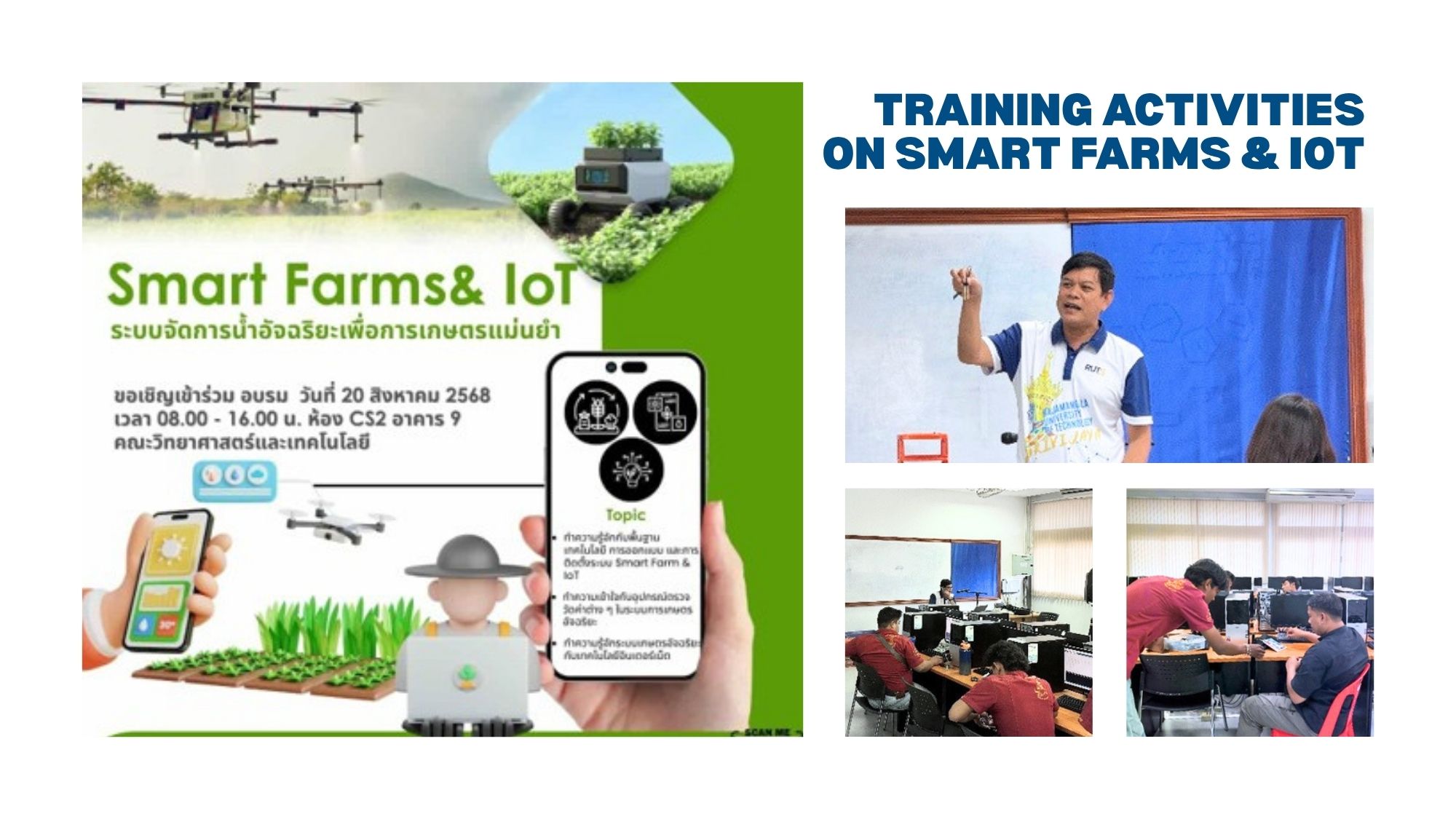
Figure 4. Smart Farming and IoT training program organized by the Faculty of Science and Technology, RUTS, on 20 August 2025.
The program complemented the university’s practical water conservation activities by extending academic knowledge to external participants and supporting opportunities for the future application of water-efficient agricultural technologies in local communities.
Strengthening Collaboration for Sustainable Water Management
RUTS’s participation in community-based water conservation reflects its commitment to applying academic knowledge, technical expertise, and student engagement to environmental challenges beyond university grounds. The restoration and maintenance activities at Nok Kin Nam Weir provided practical support for the conservation of local water resources through sediment removal, watercourse cleaning, and maintenance of existing water infrastructure. At the same time, educational activities focusing on smart agricultural technologies helped introduce approaches that can support more efficient water management in agricultural settings. Together, these initiatives demonstrate how the university contributes to sustainable water resource management through practical conservation, community engagement, inter-agency cooperation, and knowledge transfer. By working with government agencies, educational institutions, and local communities, RUTS continues to strengthen opportunities for collective action in water conservation and responsible resource management.
Related Links / Supporting Evidence:
https://www.realnewsthailand.net/article/42399/
https://pscd.prd.go.th/th/content/category/detail/id/39/iid/415420