Supporting Informed Water Use in Local Communities
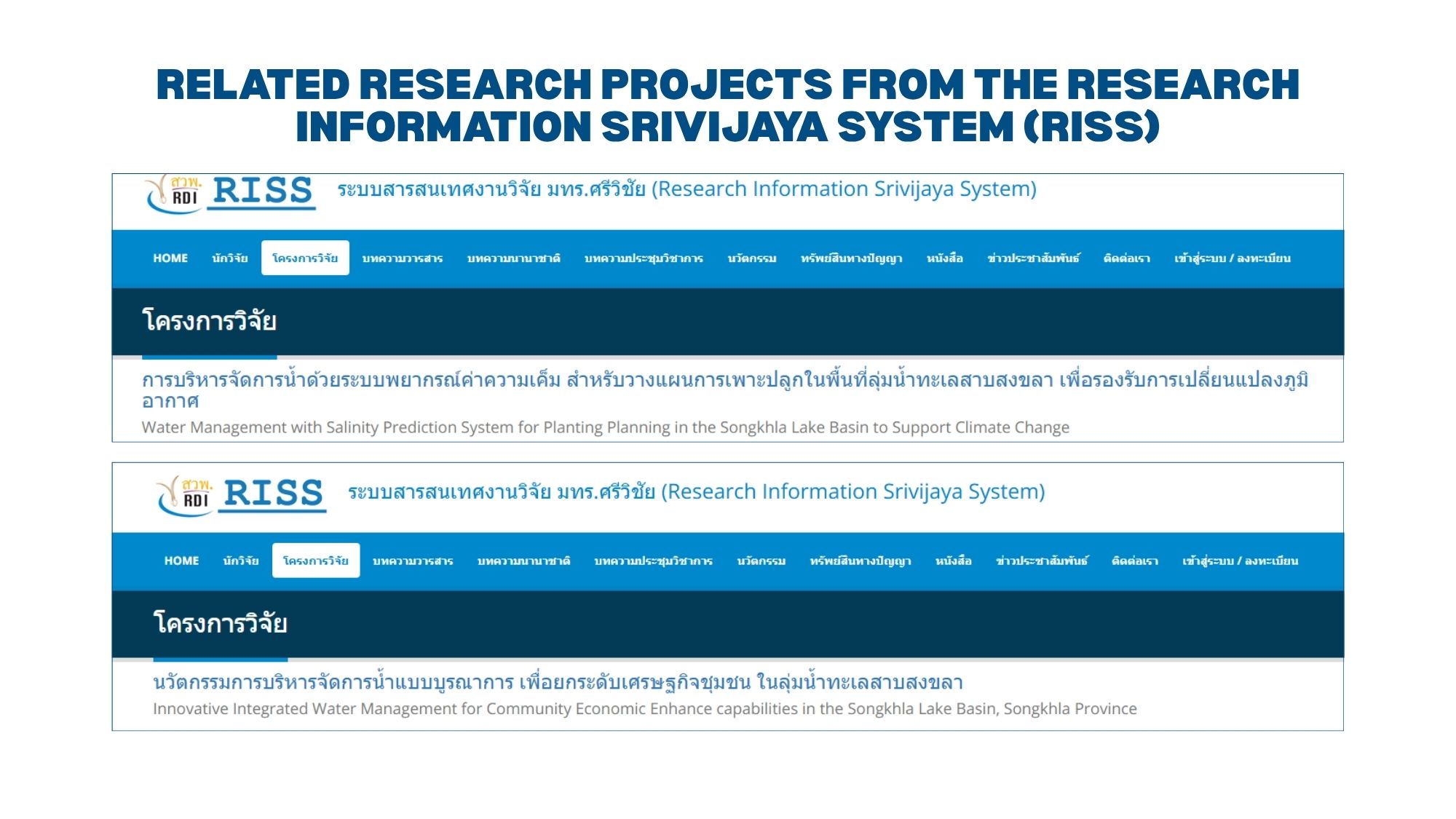
Rajamangala University of Technology Srivijaya (RUTS) recognizes the importance of promoting responsible water use beyond its campuses, particularly in agricultural communities where freshwater availability and water quality are influenced by seasonal environmental changes. In the Songkhla Lake Basin, freshwater resources are essential for agricultural production and local livelihoods. However, seasonal saltwater intrusion can affect water quality, making it difficult for farmers to determine when water from natural waterways is suitable for irrigation. These conditions highlight the importance of understanding water quality before extracting and storing water for agricultural purposes. Access to reliable information can help farmers make more informed decisions and avoid using water during periods when salinity levels may be unsuitable for their crops. Through its Water Management and Geoinformatics Research Unit under the Faculty of Engineering, RUTS has undertaken research initiatives that combine water monitoring technologies, digital information services, and community participation to address local water management challenges. One of these initiatives, Integrated Water Management Innovation for Enhancing Community Economies in the Songkhla Lake Basin, is supported by the Agricultural Research Development Agency (Public Organization), or ARDA. The university’s work focuses on making water information more accessible, encouraging its practical use, and strengthening connections between academic research and the everyday water management needs of agricultural communities.
Making Water Information Accessible to Communities
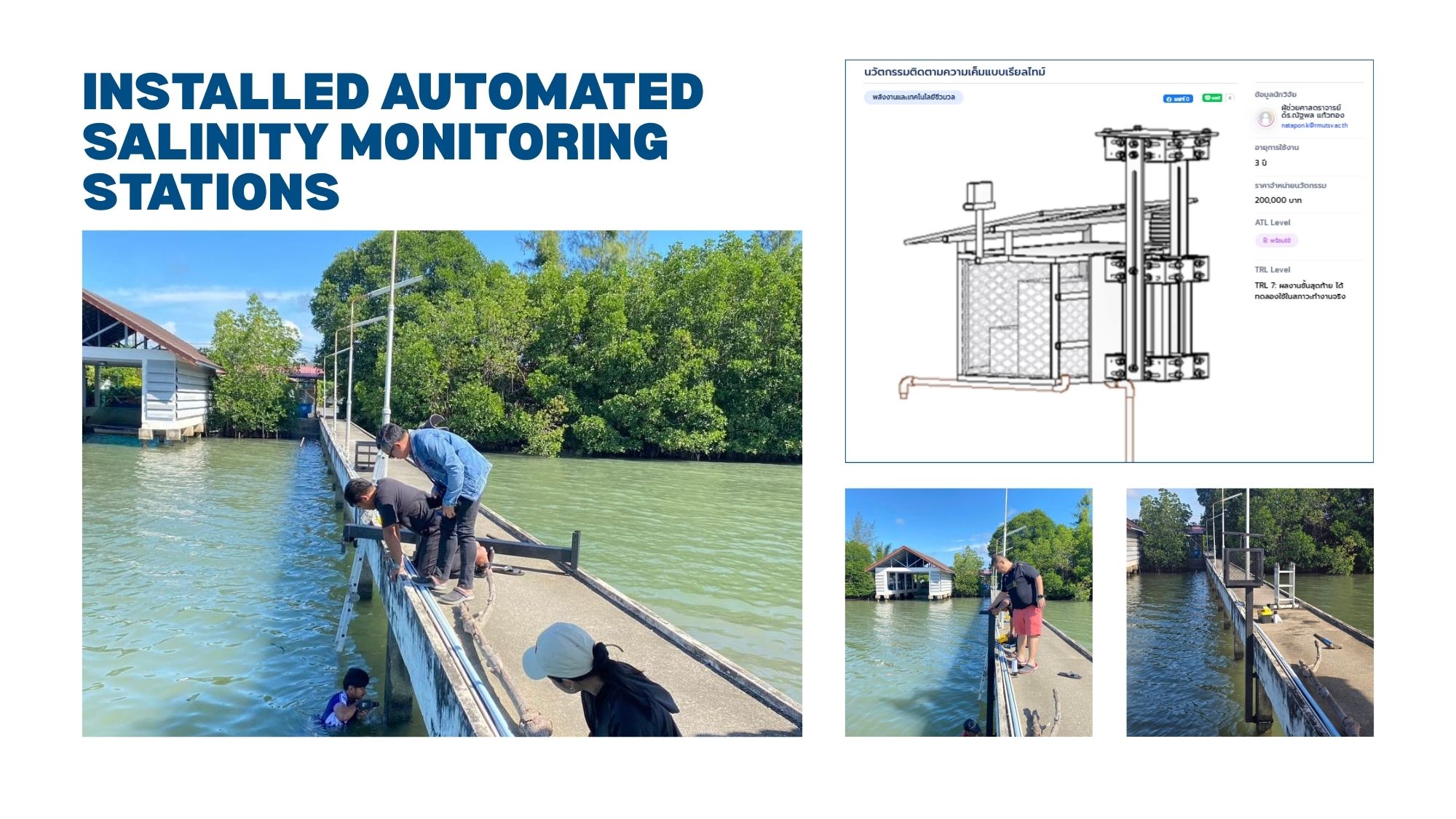
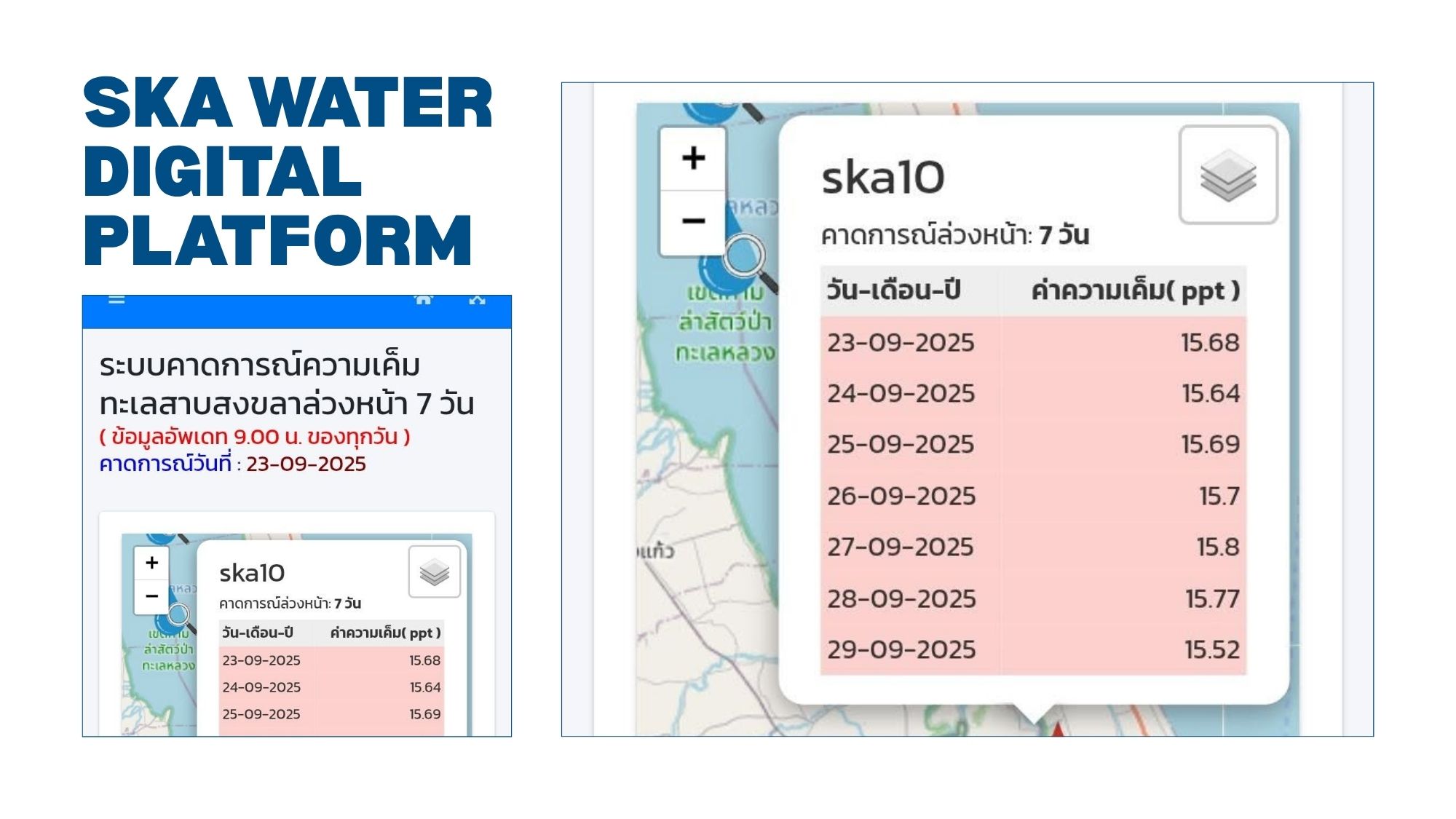
As part of its water management research, RUTS has installed and maintains a network of 19 automated salinity monitoring stations around Songkhla Lake and its connecting waterways. All 19 stations were installed by the university and remain under the responsibility of the RUTS research team for their operation, monitoring, and maintenance. The stations collect salinity measurements from natural water sources, allowing researchers to observe changes in water conditions and provide information relevant to agricultural water use. The collected data are processed using mathematical models and artificial intelligence to generate salinity forecasts for the following seven days. The information is made available through the SKA Water digital platform, providing farmers, local communities, and relevant authorities with access to current salinity measurements and anticipated changes in water conditions. By making this information publicly accessible, the university helps local water users better understand changing environmental conditions and consider water quality when planning agricultural activities.
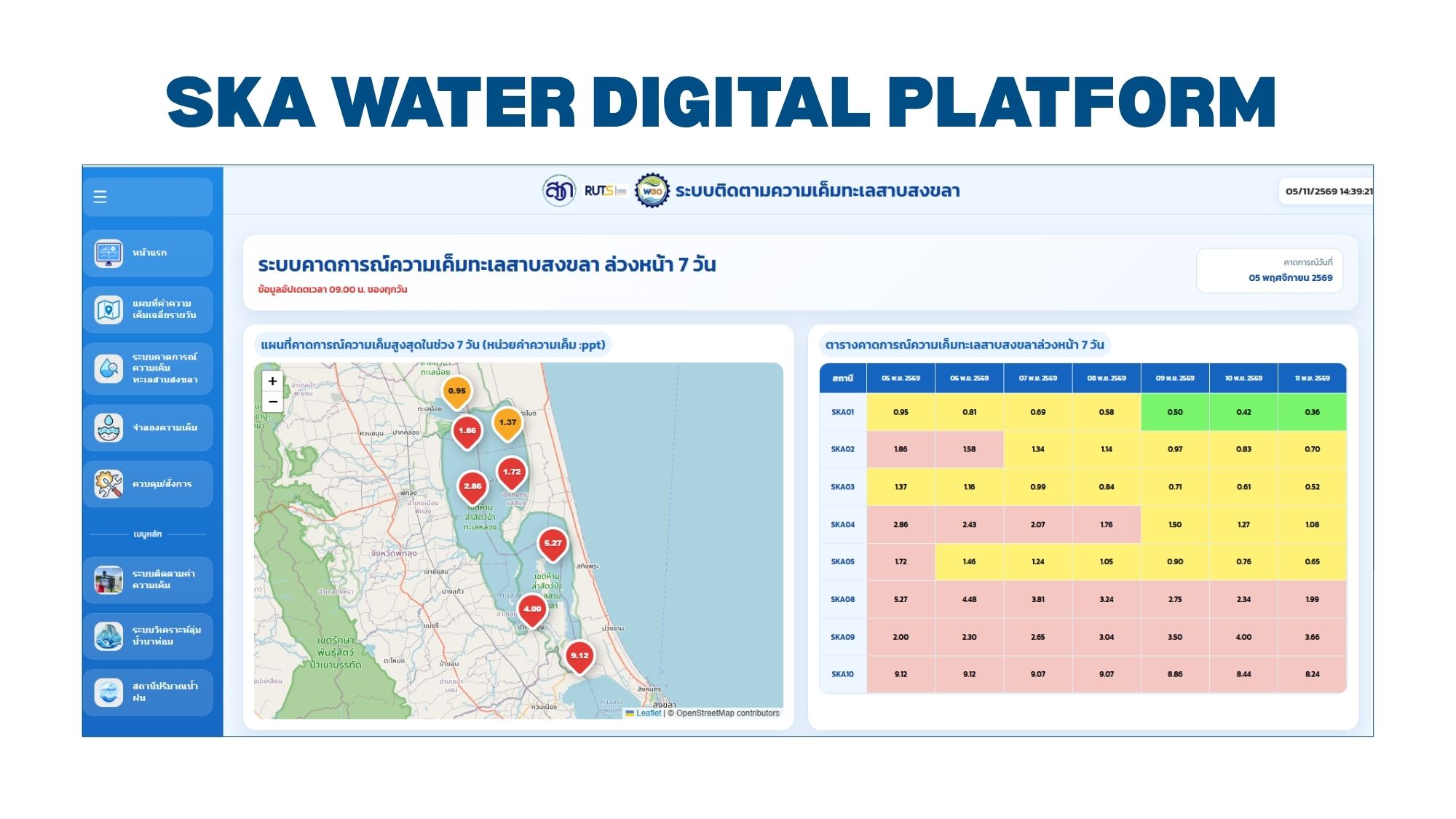
Encouraging Responsible Decisions about Water Extraction and Storage
Agricultural communities surrounding Songkhla Lake depend on natural waterways as sources of water for irrigation and other farming activities. However, the suitability of water for agricultural use may vary considerably depending on seasonal conditions and saltwater intrusion. Through its monitoring and forecasting system, RUTS provides information that farmers can consult when deciding when to extract and store water. Access to current salinity measurements and forecasts can help water users identify periods when freshwater may be suitable for agricultural purposes and consider postponing extraction during periods of elevated salinity. This approach encourages greater attention to water quality and environmental conditions rather than relying solely on routine pumping schedules. The pumping equipment used for these activities is owned and operated by local farmers or other water users. The university’s role is to provide environmental monitoring information and forecasting services that support more informed water management decisions. By connecting scientific information with agricultural practices, the initiative contributes to awareness of responsible water use and the importance of considering local water conditions before extracting freshwater resources.
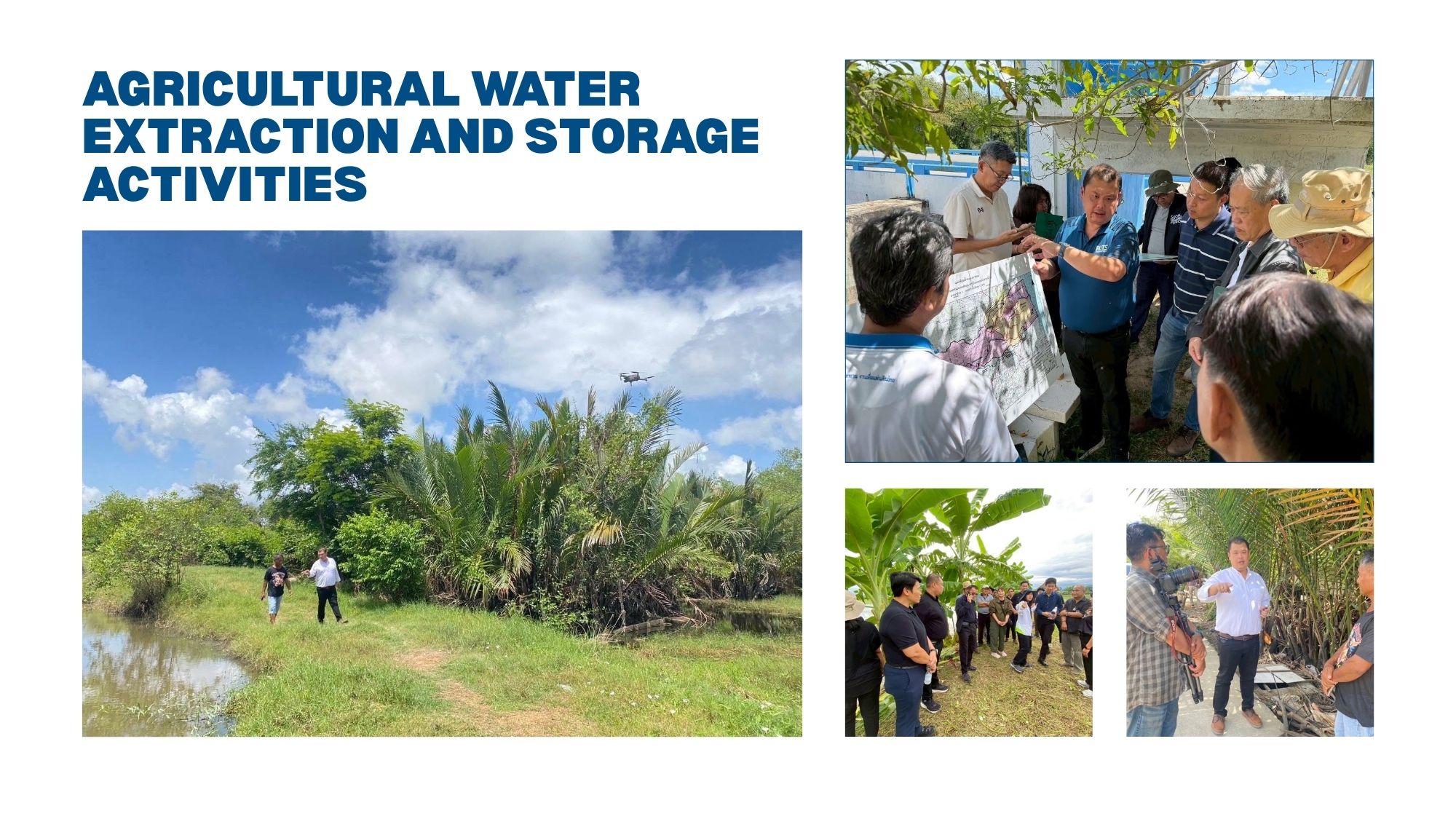
Figure 3. Agricultural water extraction and storage activities in communities.
Community Participation and Assessment of Research Impacts
Alongside its water monitoring and information services, RUTS has been involved in research that incorporates community participation into agricultural water management. An earlier research project, IoT-Based Agricultural Water Management through Public Participation in the Sathing Phra Peninsula, Songkhla Province, received funding from ARDA under its 2021 research program addressing agricultural drought. The program supported 59 research projects, and the RUTS initiative was selected as one of seven projects identified for further in-depth impact assessment.
On 29 January 2025, the RUTS water management research team accompanied a research impact assessment team from Kasetsart University during a field visit to assess the outcomes of the project. The assessment involved in-depth interviews with relevant stakeholders and visits to project implementation sites. It focused on examining the project’s economic and social implications using Return on Investment (ROI) and Social Return on Investment (SROI) approaches. The field visit provided an opportunity to review how the research had been implemented and gather stakeholder perspectives on its practical applications and outcomes. The project’s emphasis on IoT technology and public participation reflects an approach to agricultural water management that considers both technical solutions and the needs of local water users. Although the assessment itself was not a public water conservation campaign, it provided a means of reviewing the community-level implications of participatory water management research and maintaining engagement with stakeholders.
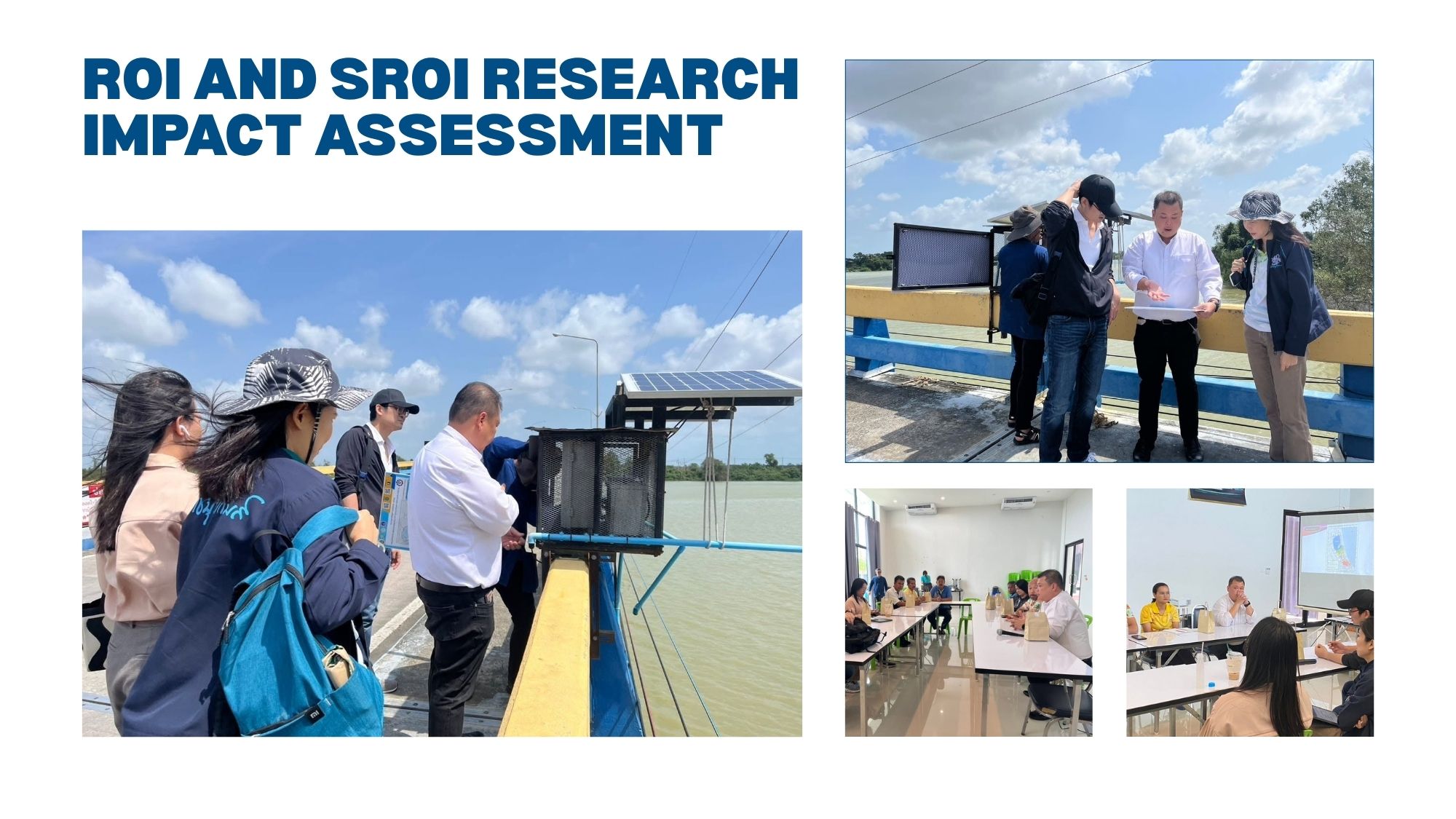
Figure 4. RUTS researchers accompanying the Kasetsart University assessment team during stakeholder interviews and field observations for the ROI and SROI assessment of participatory agricultural water management research in the Sathing Phra Peninsula on 29 January 2025.
Sharing Water Management Knowledge and Research Applications in 2025
In addition to its research and monitoring activities, RUTS participated in knowledge exchange and research dissemination activities during 2025 to strengthen understanding of water management technologies and their potential applications.
Water Balance Modelling and Salinity Monitoring Workshop — 18 February 2025
On 18 February 2025, Asst. Prof. Dr. Nattapon Kaewthong participated as a resource person in a workshop on water balance modelling and salinity monitoring in Phatthalung Province. The activity formed part of cooperation with the Hydro-Informatics Institute (Public Organization), or HII, and provided an opportunity to exchange technical knowledge and approaches to using water information in resource management. Although the workshop primarily focused on technical knowledge exchange, it contributed to the wider dissemination of approaches that can support informed water management decisions.
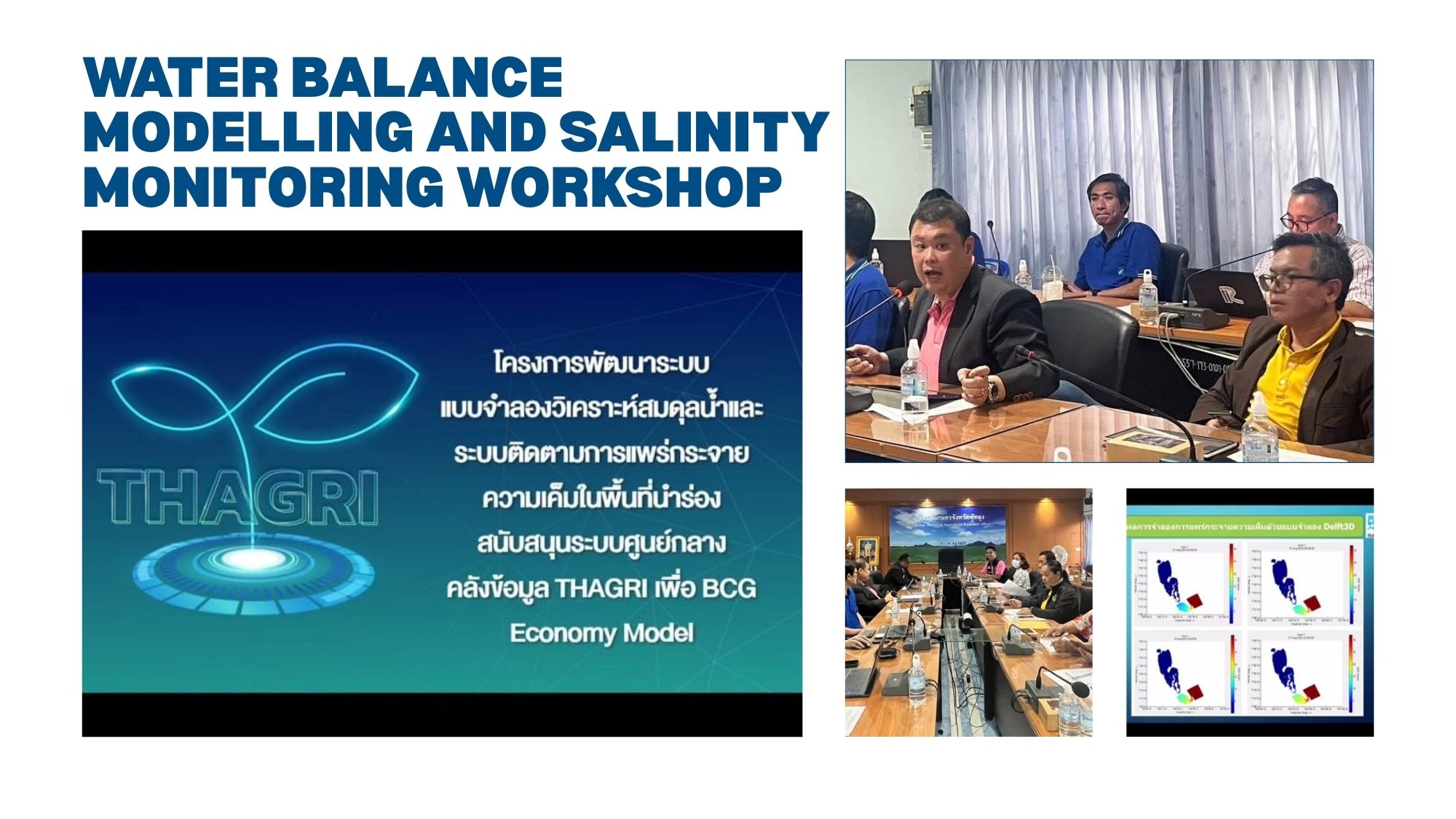
Figure 5. RUTS participation in a workshop on water balance modelling and salinity monitoring in Phatthalung Province on 18 February 2025.
Appropriate Technology Matching Day 2025 — 14 November 2025
On 14 November 2025, the Water Management and Geoinformatics Research Unit presented its real-time water quality monitoring innovation at Appropriate Technology Matching Day 2025, held at the 60th Anniversary of His Majesty the King’s Accession to the Throne International Convention Center (ICC Hat Yai), Songkhla. The event brought together researchers, public agencies, private organizations, and community representatives to exchange knowledge and explore opportunities for applying research-based technologies to local development challenges. The RUTS research team presented its water quality monitoring innovation and shared information about its potential applications in water resource management. The activity also supported engagement with the Sathing Phra Peninsula community network, providing an opportunity to communicate the value of accessible water information in addressing local agricultural water management challenges.
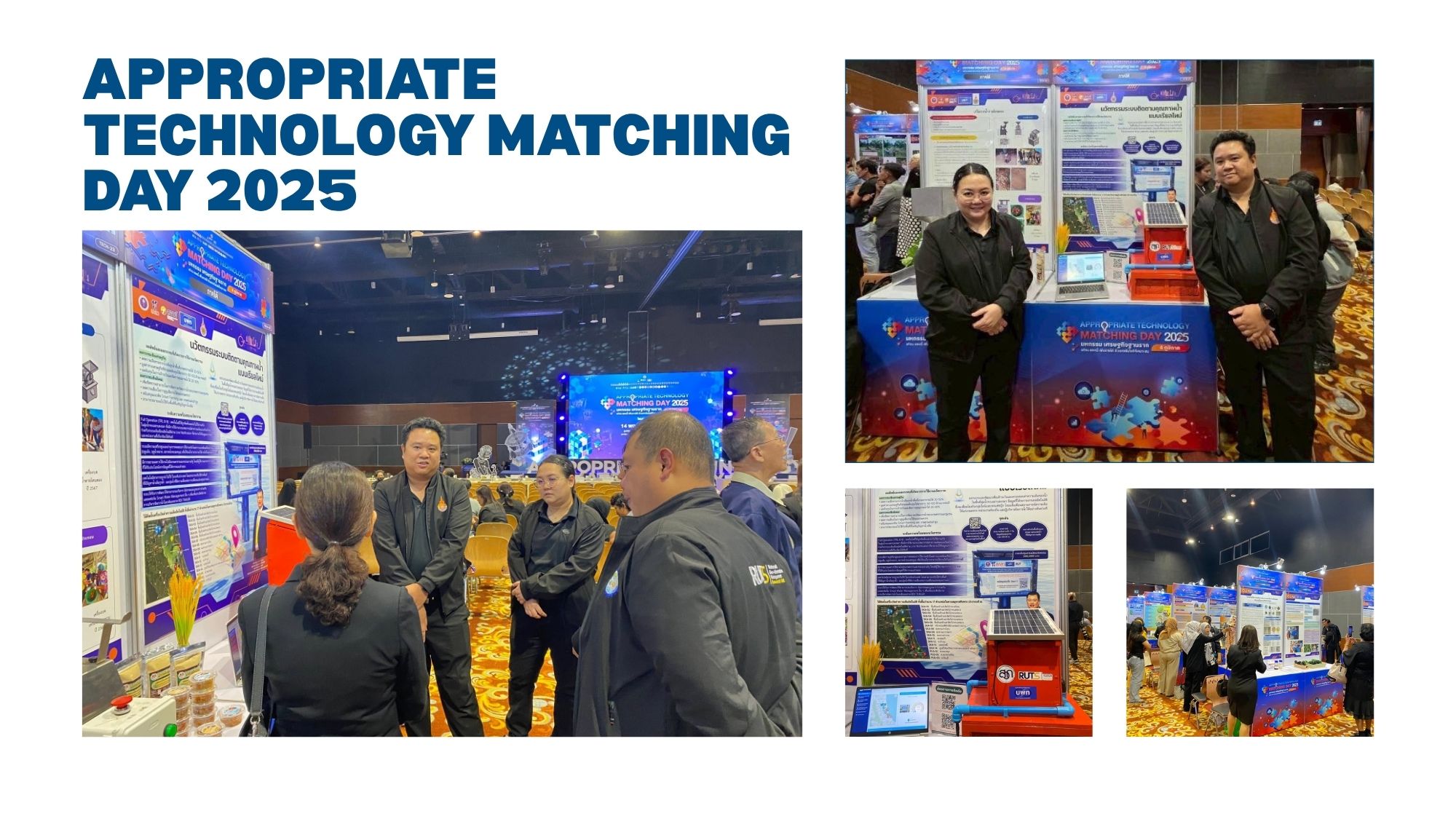
Figure 6. RUTS researchers presenting real-time water quality monitoring innovation at Appropriate Technology Matching Day 2025 in Songkhla on 14 November 2025.
Strengthening Community Awareness and Responsible Water Use
RUTS’s water management research activities demonstrate how university research can support greater awareness of water quality and more informed water use in agricultural communities. Through its monitoring stations and SKA Water platform, the university provides access to environmental information that can help farmers and other water users consider salinity conditions when planning water extraction and storage. The university’s participatory research initiatives and research impact assessment activities also provide opportunities to understand community needs and review the practical implications of water management technologies. Knowledge-sharing and research dissemination activities further contribute to communication between researchers, public organizations, and community stakeholders. Together, these efforts support a more informed approach to water use by connecting scientific research, publicly accessible information, and the practical needs of agricultural communities.
Public Access to Water Information and Research Evidence
The SKA Water platform provides public access to salinity monitoring information and forecasts for the Songkhla Lake Basin.
Public Information Platform: https://www.skawater.com/v2/lake/predict.php
The platform provides a continuing source of information for farmers, local communities, researchers, and water management agencies. To document its activities during the 2025 reporting period, RUTS may publish relevant project information, dated photographs, activity records, and supporting materials through the university’s SDGs website. Making these materials publicly accessible would allow external stakeholders to examine how the university supports informed water management and engages with communities beyond its campuses.
Related Links / Supporting Evidence:
https://www.skawater.com/v2/lake/predict.php
https://www.facebook.com/share/p/1CFDi8Fg5u/
https://www.facebook.com/share/p/19fX6NYnow/
https://www.facebook.com/share/p/1CaRXmudnb/
https://www.facebook.com/share/p/1KozFnt6iR/