Rajamangala University of Technology Srivijaya (RUTS), through the Office of Innovation Management and Technology Transfer, implemented the Circular Design Product – Upcycle Product activity under Project 13.1-1, SME Business Enhancement through the Application of the BCG Economy Model, in collaboration with Industrial Promotion Center Region 11, Department of Industrial Promotion (DIPROM), Ministry of Industry, during fiscal year 2025.
The project aimed to promote product design and create added value based on the principles of the circular economy, while assessing reductions in resource consumption, waste, and product carbon footprints. Target groups included community enterprises, OTOP producers, and small and medium-sized enterprises in the fashion and lifestyle and processed food sectors.
Key project activities included enterprise recruitment and selection, initial diagnostic visits, preparation of product development plans, sketch design, research and product development, expert consultation, prototype development, market testing, satisfaction assessment, and the preparation of success cases. Product development was carried out using the 4R 1U principles: Reduce, Reuse, Recycle, Repair, and Upcycle, with emphasis on transforming waste and low-value materials into new products of higher quality and economic value.
Two community enterprises in Songkhla Province participated in the project. The first was the Ton Nga Chang Local Products and Cocoa Processing Community Enterprise, which utilized fresh cocoa-pod waste to develop two new products: a paper bag made from cocoa husks and a paper cup sleeve made from cocoa husks. The paper bag had a production cost of THB 28.74 and a selling price of THB 35, while the paper cup sleeve had a production cost of THB 6.13 and a selling price of THB 10. The report recorded an added-value increase of 120.83% for both products. Greenhouse-gas emissions were reduced by 40.64% for the paper bag and 40.65% for the paper cup sleeve compared with the previous disposal method of landfilling cocoa waste.
The second participating enterprise was the Ban Bo Chon Blue Swimming Crab Bank Community Enterprise, which utilized low-value marine snails, including yellow and Nori-type sea snails, to develop a new processed food product, Hoi Jor made from marine snails. The product had a production cost of THB 94.19 and a selling price of THB 160. The developed product achieved an added-value increase of 68% and reduced greenhouse-gas emissions by 30.49% compared with the previous practice of selling the snails fresh at low prices and transporting them by road.
The project exceeded its quantitative target by developing three products compared with the original target of two products. Participating enterprises reported an average satisfaction level of 90%. The developed products achieved an average increase in value of 94.42%, with 100% of the developed products meeting the value-added outcome target. In addition, greenhouse-gas emissions decreased by an average of 35.57%, with 100% of developed products meeting the emissions-reduction outcome target. The project therefore achieved its specified output and outcome indicators.
This initiative demonstrates RUTS’s role in applying research, design, innovation, and technology transfer to strengthen local enterprises through the circular economy. By converting agricultural and marine by-products into higher-value commercial products, the project contributes directly to SDG 12: Responsible Consumption and Production, while also supporting sustainable enterprise development, innovation, climate action, and partnerships.
Key Figures or Measurable Results:
- 2 participating community enterprises
- 3 products developed, exceeding the target of 2 products
- 90% average beneficiary satisfaction
- 94.42% average increase in product value
- 35.57% average reduction in greenhouse-gas emissions
- Cocoa-husk paper bag: 120.83% value added; 40.64% GHG reduction
- Cocoa-husk paper cup sleeve: 120.83% value added; 40.65% GHG reduction
- Marine-snail Hoi Jor: 68% value added; 30.49% GHG reduction
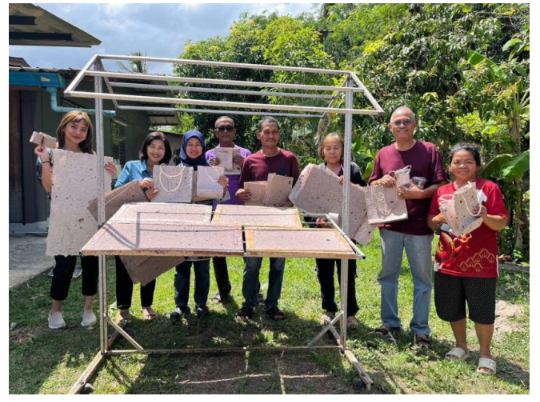
As a result of the prototype development process, the Ton Nga Chang Local Products and Cocoa Processing Community Enterprise successfully developed two value-added products from cocoa husk waste: a cocoa-husk paper bag and a cocoa-husk paper cup sleeve. The development reflects the application of circular economy principles by utilizing agricultural residues as raw materials for new products, thereby creating additional value and reducing waste from cocoa-processing activities.
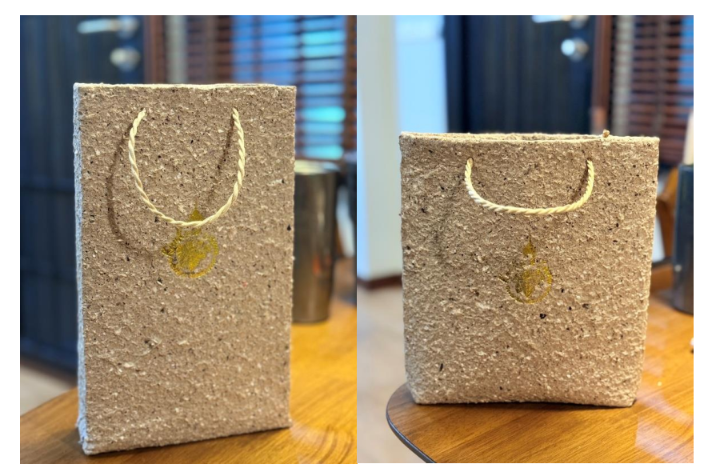
Cocoa-husk paper bag prototype
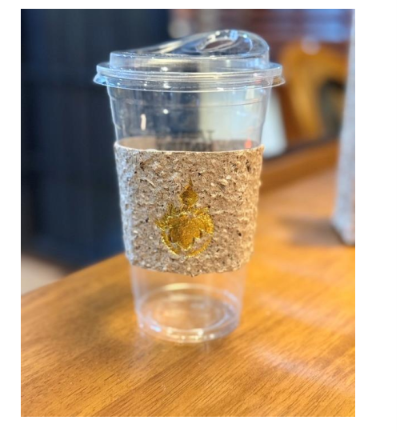
Cocoa-husk paper cup sleeve prototype
As a result of the prototype development process, the Ban Bo Chon Blue Swimming Crab Bank Community Enterprise successfully developed Hoi Jor made from marine snails as a new value-added product. The product development demonstrates the application of circular economy and upcycling principles by utilizing low-value marine materials to create a higher-value processed food product.
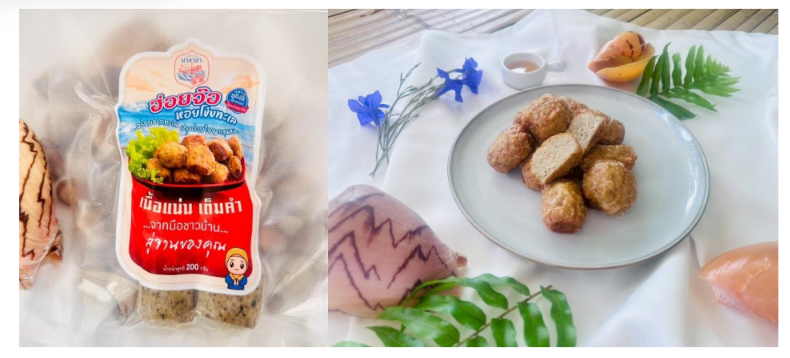
Marine-snail Hoi Jor prototype
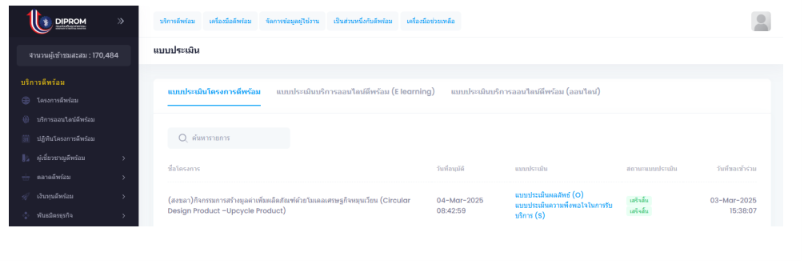
As part of the project implementation, the Office of Innovation Management and Technology Transfer, Rajamangala University of Technology Srivijaya (RUTS) conducted an evaluation of project activities and recorded relevant data in the DIPROM E-Service system in accordance with the requirements of Industrial Promotion Center Region 11, Department of Industrial Promotion. The process included service satisfaction assessment, advisory outcome evaluation, service agreements, and participant registration and data recording in the designated DIPROM systems.
Product development consultation with participating community enterprises
The developed prototype products were subjected to market testing with target customers to evaluate product acceptance and gather feedback on their commercial potential. The results were used to assess customer response and support further product improvement before commercialization. The final report includes market testing for both the cocoa-based products and the marine-snail Hoi Jor prototype.
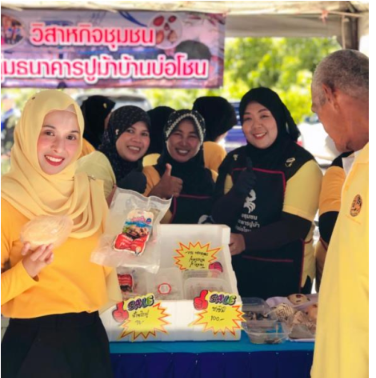
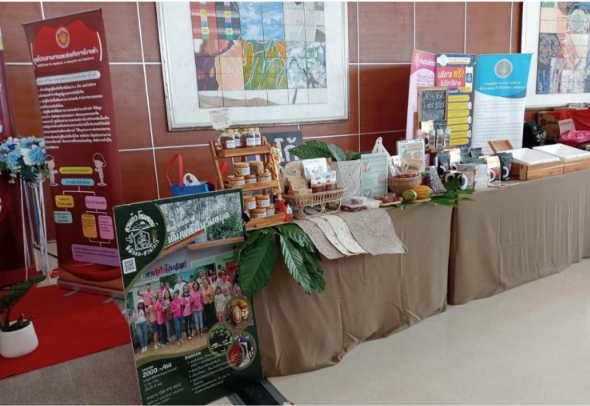
Market testing activities
Related Links:
Final Report: Circular Design Product – Upcycle Product under Project 13.1-1, SME Business Enhancement through the Application of the BCG Economy Model, Fiscal Year 2025
https://drive.google.com/file/d/1ZWHk8pu3-gUOhNnlquWu9oqKsWWXUmPP/view?usp=sharing
Information Provider: Office of Innovation Management and Technology Transfer Rajamangala University of Technology Srivijaya (RUTS)