
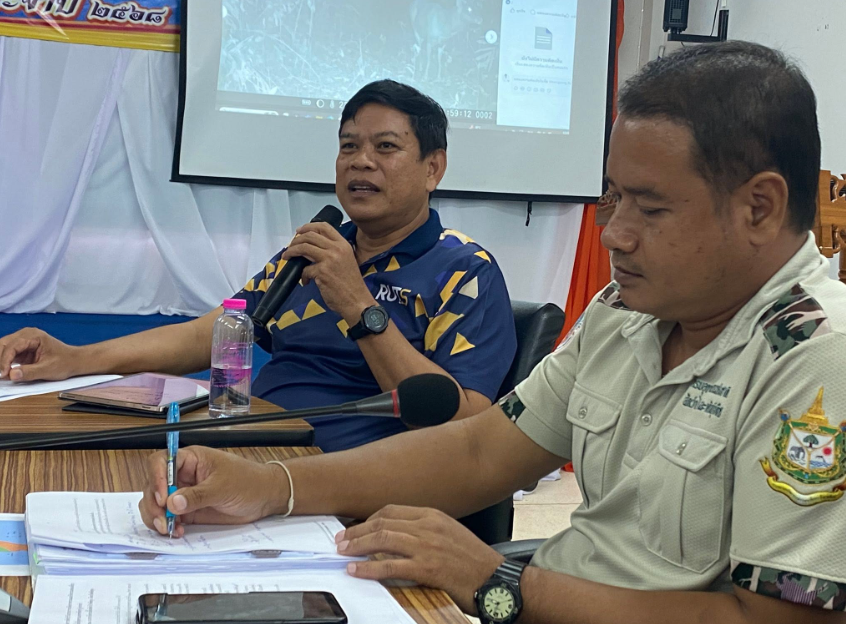
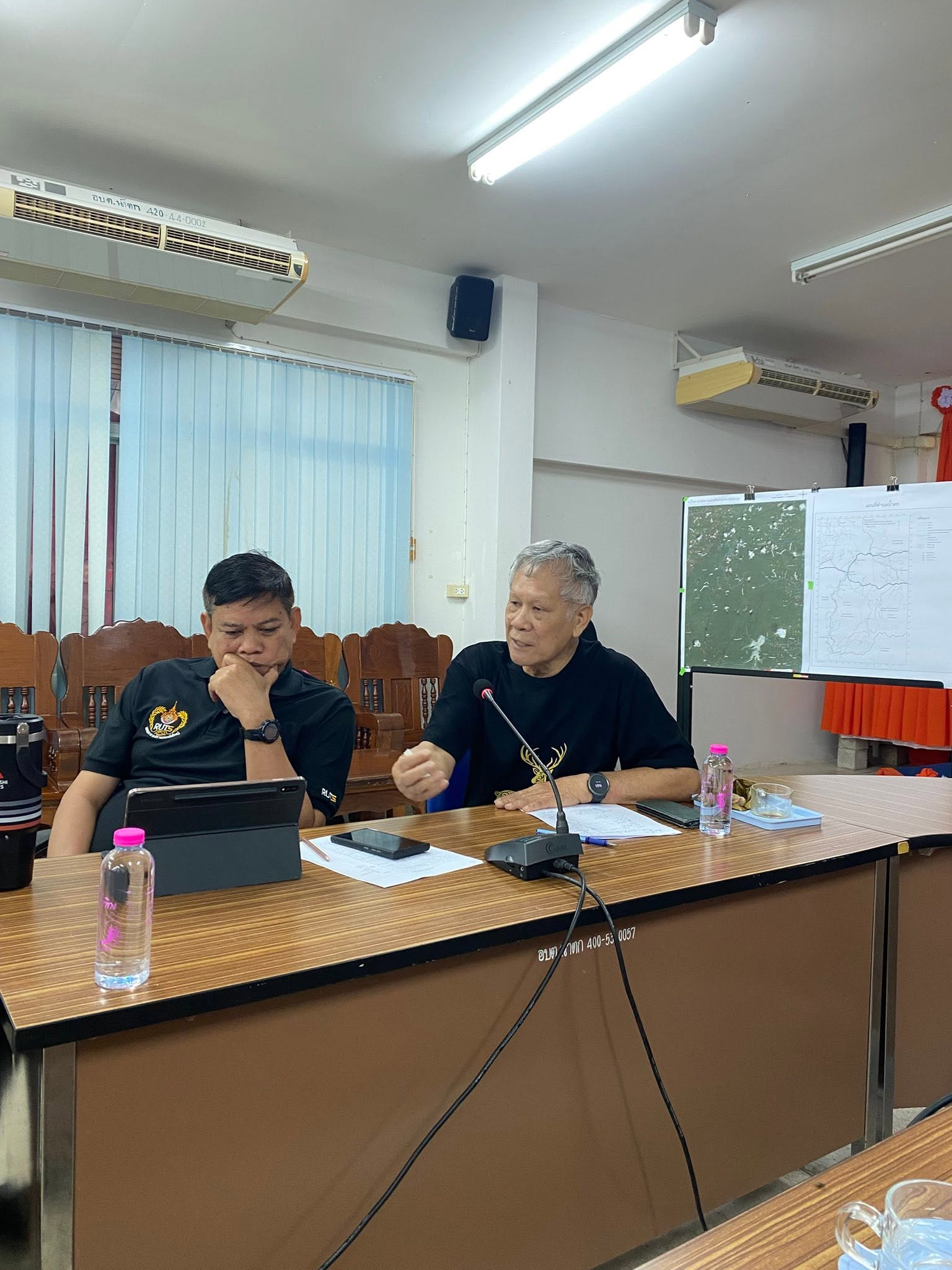
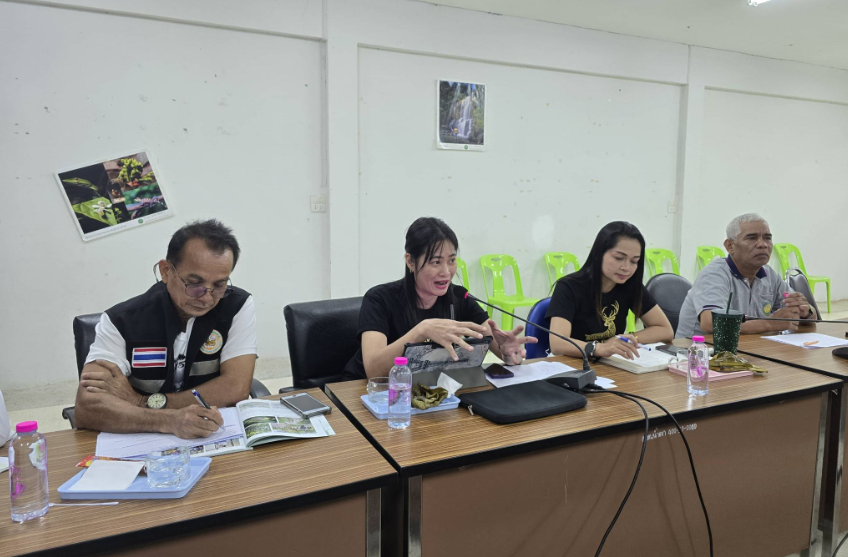
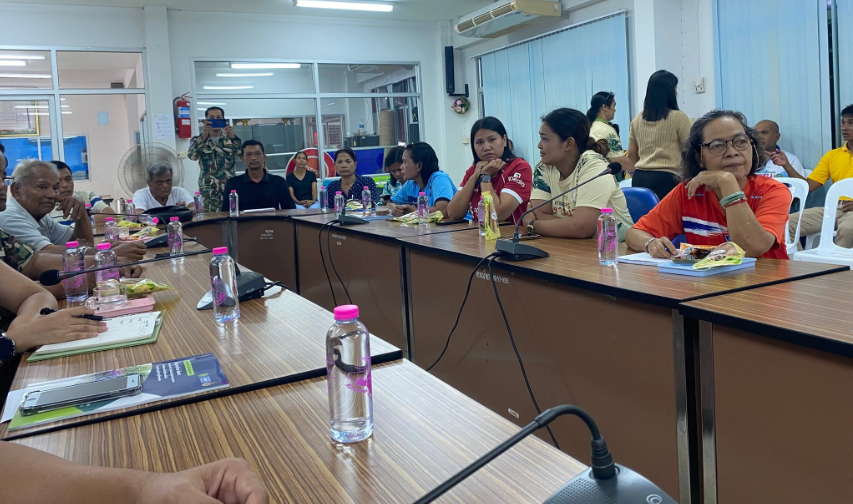
On 22 October 2025, Rajamangala University of Technology Srivijaya participated in a consultation meeting to address human-wildlife conflict involving sambar deer (Rusa unicolor) in Namtok Subdistrict, Thung Song District, Nakhon Si Thammarat Province. The meeting was held at Namtok Municipality and involved Dr. Prasert Nonthakarn and Asst. Prof. Dr. Worawitoo Meesook from the Faculty of Science and Technology, Lecturer Dr. Adisorn Sricharat and Ms. Supinya Choojai from the Faculty of Veterinary Medicine, and representatives from Kasetsart University, the Thailand Environment Institute, Namtok Municipality, Khao Pu-Khao Ya National Park, provincial administrative authorities, partner agencies, and affected local residents. The consultation aimed to reduce impacts on communities while conserving the sambar deer population and promoting sustainable management of the forest and wild-land habitats associated with Khao Pu-Khao Ya National Park.
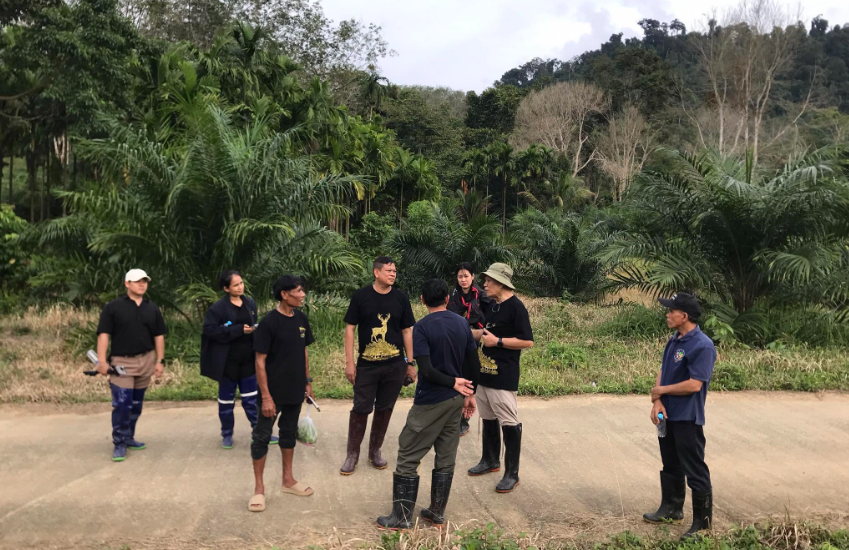
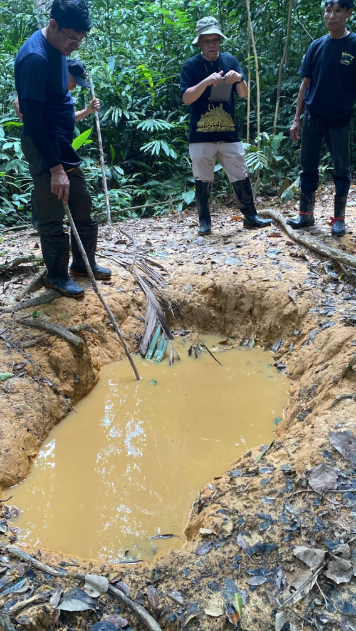
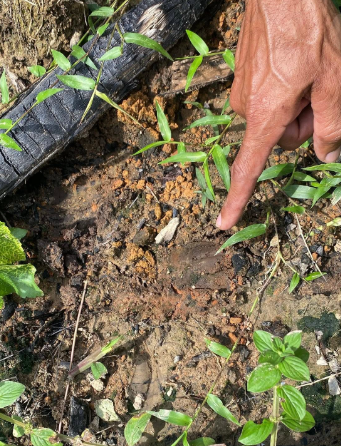
A total of 40 participants joined the consultation, which provided a formal forum for residents to communicate concerns and evidence of deer-related impacts directly to researchers and responsible agencies. Affected residents were interviewed regarding agricultural damage caused by deer feeding on crops, as well as concerns related to deer entering residential areas. Participants discussed a framework for documenting household-level impacts across all six villages in Namtok Subdistrict and for assessing deer population size, distribution, and movement patterns. The consultation considered habitat-based management measures, including improving suitable habitat within Khao Pu-Khao Ya National Park, establishing food plots, and developing mineral licks to reduce deer movement from protected forest areas into agricultural and residential land. Participants also discussed assessing the ecological carrying capacity of the area to ensure that habitat and natural resources can sustainably support the deer population. Following the meeting, the partners conducted an initial field survey in affected areas.
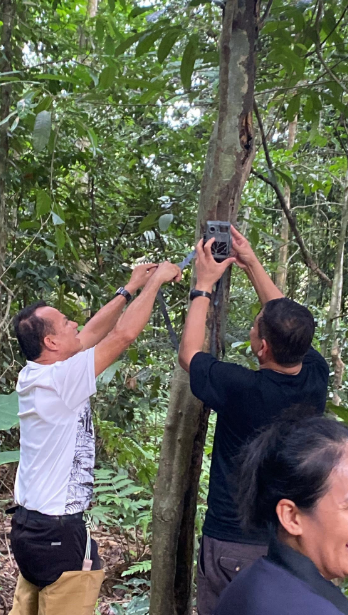
The initial field investigation identified frequent deer occurrence in Village 1 and Village 6, while Namtok Municipality was assigned to undertake a systematic survey of reported damage in all six villages. The consultation strengthened coordination among universities, local government, protected-area authorities, environmental organisations, and local residents, creating a shared approach to wildlife conservation and sustainable wild-land management. Rajamangala University of Technology Srivijaya was requested to support an urgent sambar deer population survey using trail surveys and camera traps. The resulting data will provide scientific evidence on deer abundance, habitat use, distribution, and movement, enabling stakeholders to determine appropriate habitat-management measures rather than relying on assumptions. By prioritizing habitat improvement within the protected area and evidence-based monitoring, the initiative supports the conservation of forest ecosystems and wildlife while reducing pressure on agricultural and community land.
Related Links:
https://www.facebook.com/watch/?v=1722316738444801
Information Provider: Asst.Prof.Dr.Worawitoo Meesook