
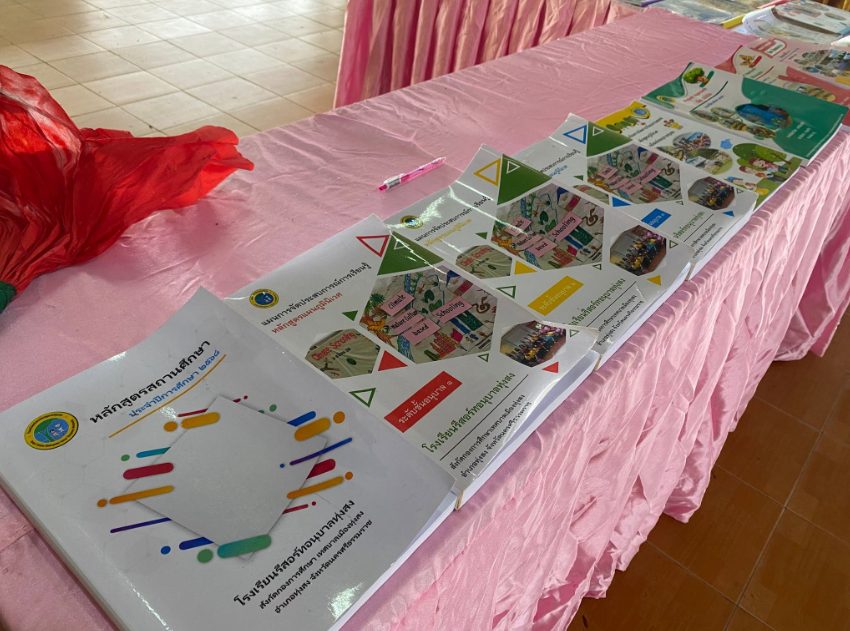
Rajamangala University of Technology Srivijaya, represented by Asst. Prof. Dr. Worawitoo Meesook and Dr. Prasert Nonthakarn from the Faculty of Science and Technology, collaborated with Dr. Chamniern Vorratnchaiphan, Senior Advisor to the International Union for Conservation of Nature (IUCN), to develop the Eco-Map Curriculum for six schools under Thung Song Municipality. The curriculum applied the BEEE framework: Biodiversity, Ecosystem, Energy, and Equality. Its main objective was to integrate knowledge of local biodiversity and ecosystems into school planning, teaching, learning, and sustainable development activities. The programme encouraged schools to use their own campuses, surrounding green spaces, and local environments as living classrooms. Through the curriculum, students were expected to understand the relationship between biodiversity, ecosystem health, resource use, and community well-being. The university supported curriculum design, academic review, and the development of learning activities appropriate for students at different age levels.
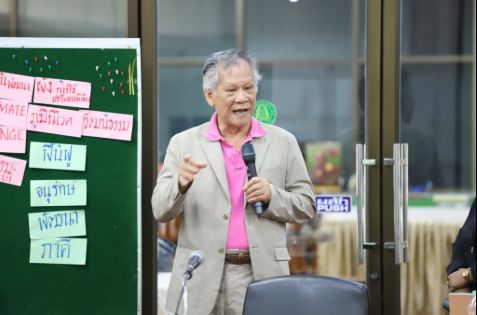
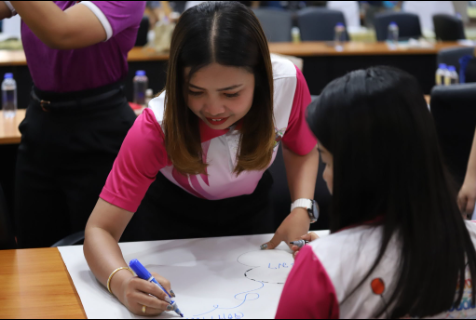
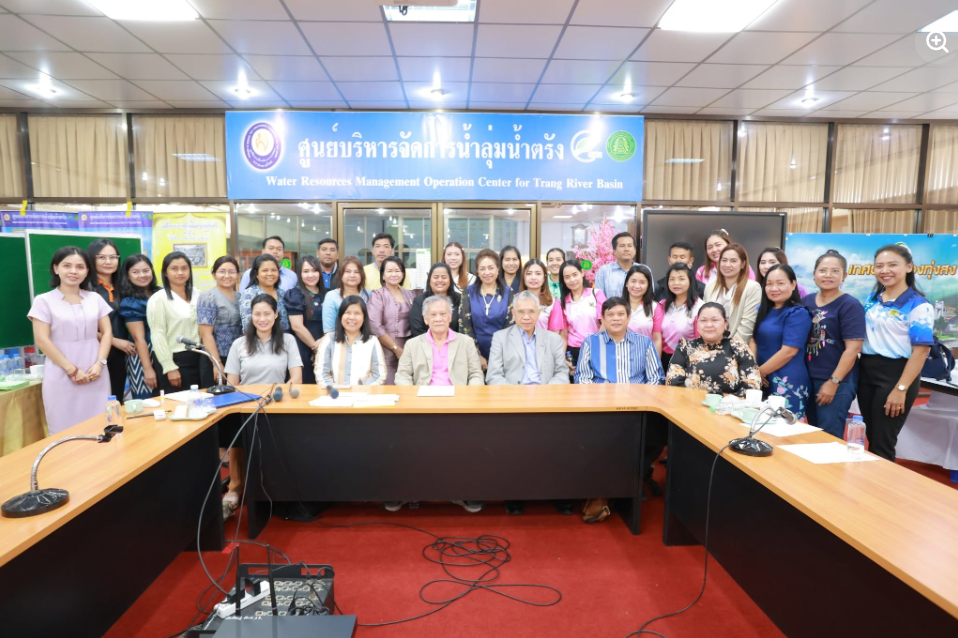
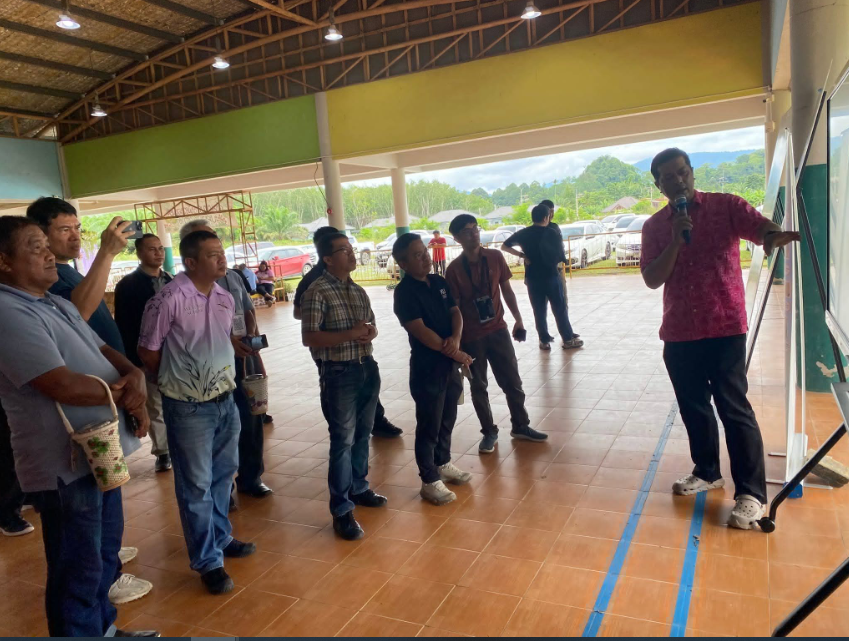
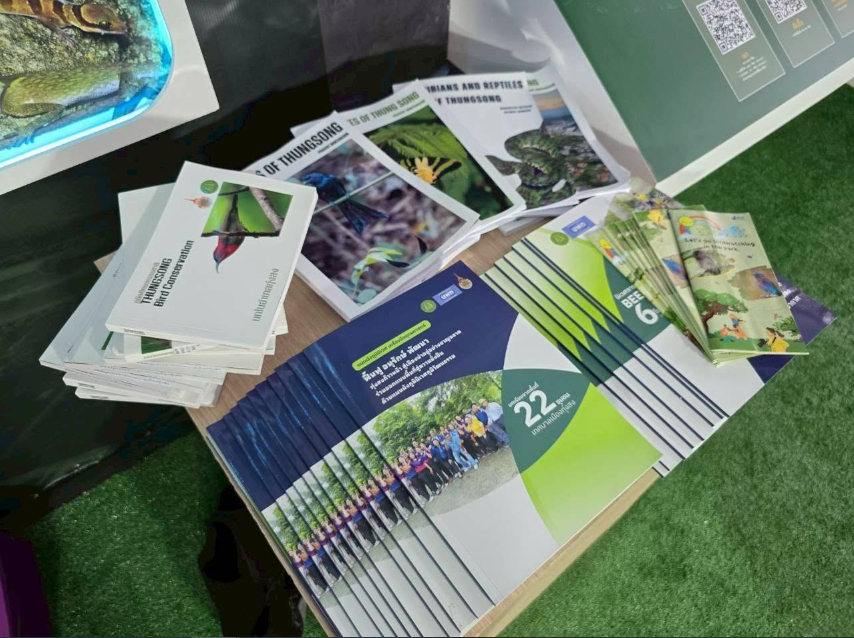
On 17 March 2025, the university team and Dr. Chamniern Vorratnchaiphan held a preparatory meeting before supervising and evaluating curriculum implementation at the six schools. From 18-20 March 2025, they served as expert reviewers for the Eco-Map Curriculum, including at Thung Song Municipality Sports School and Resort Anuban School. The team assessed how the schools applied the BEEE framework and provided recommendations for improving learning activities. On 21 March 2025, the experts, university team, and teachers from the six-school network met to summarizes progress and exchange lessons learned. Schools designed age-appropriate activities that introduced students to local biodiversity, including surveys of ant diversity and the observation of butterflies with different colors. These activities enabled students to explore living organisms in their school and local environments, record observations, and understand the importance of conserving habitats. Rajamangala University of Technology Srivijaya also contributed local biodiversity knowledge by presenting information on tree, fish, bird, butterfly, amphibian, and reptile diversity within Thung Song Municipality.
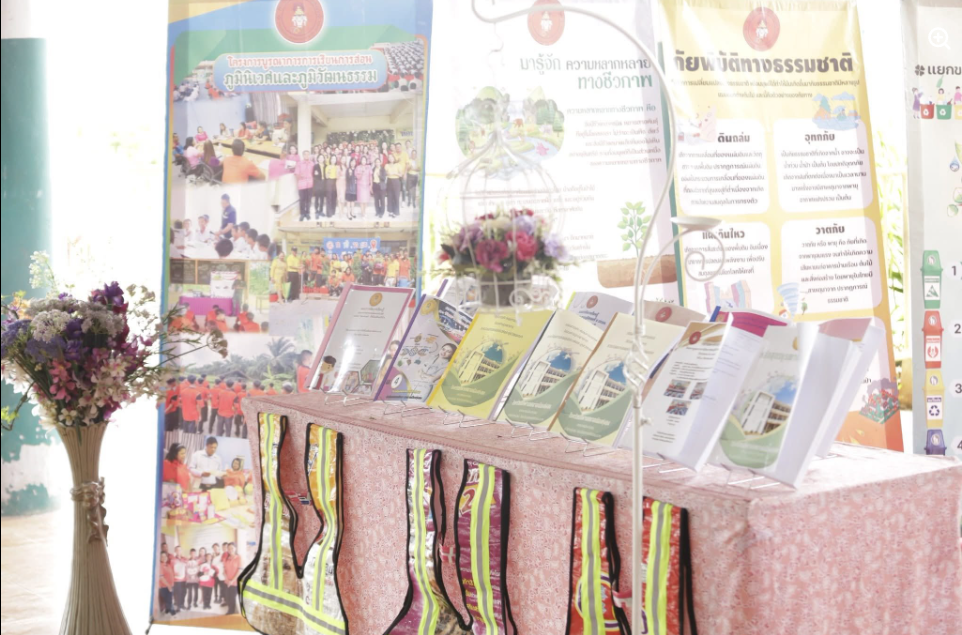
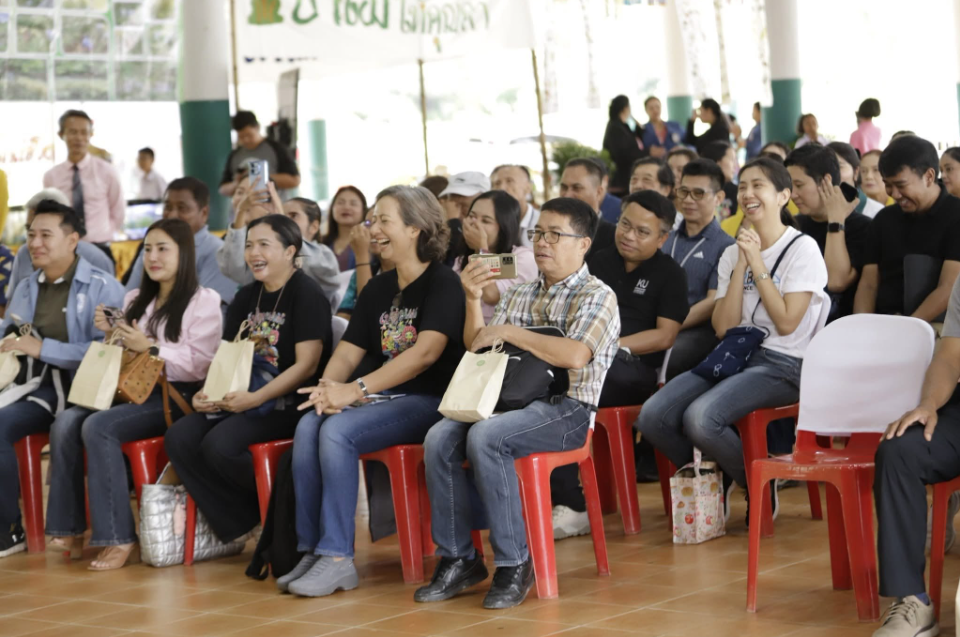
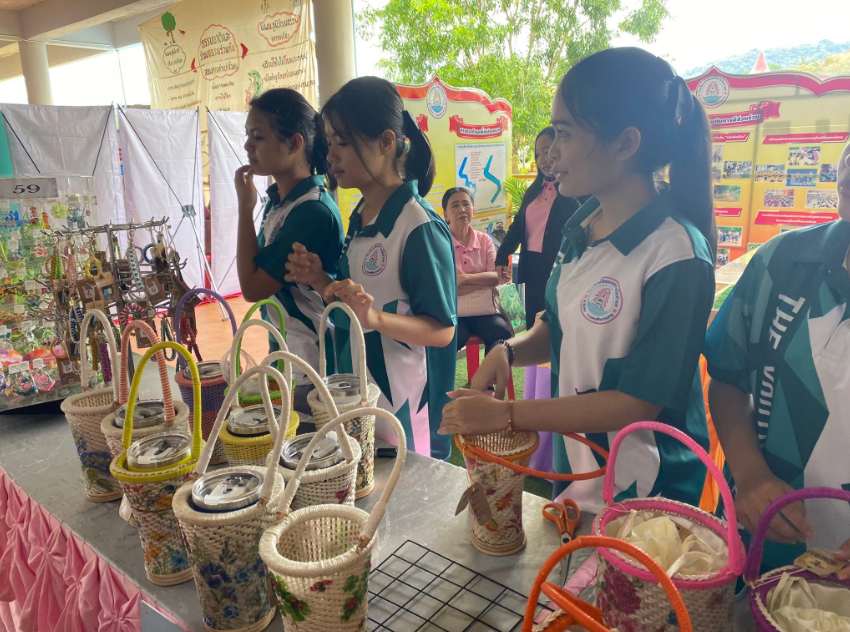
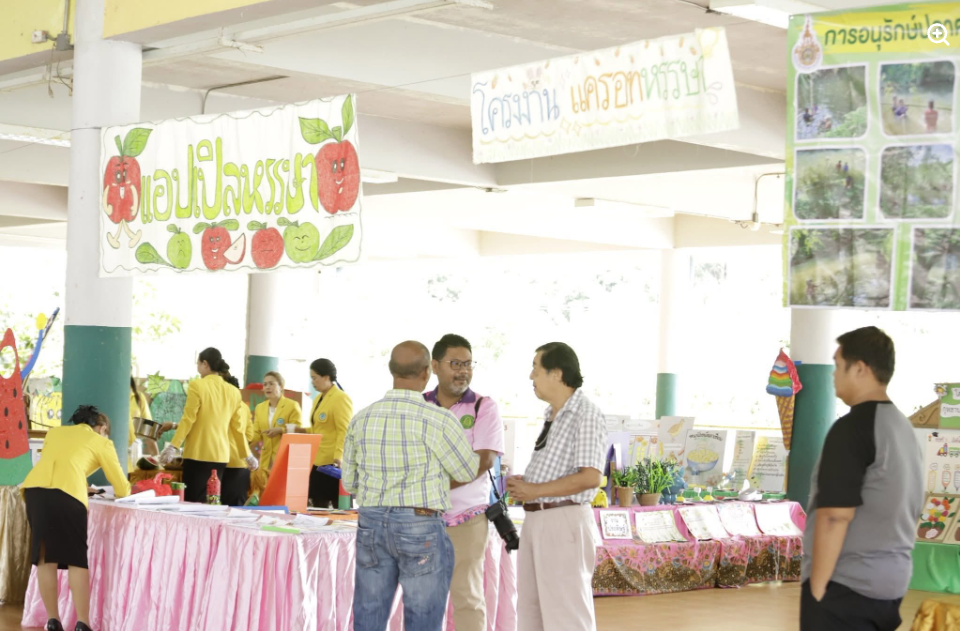
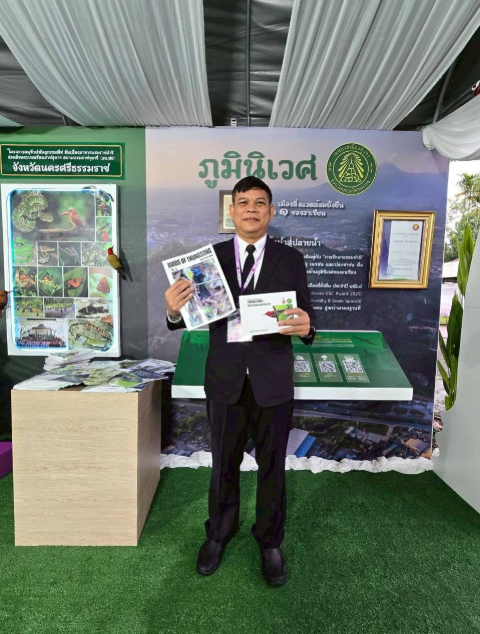
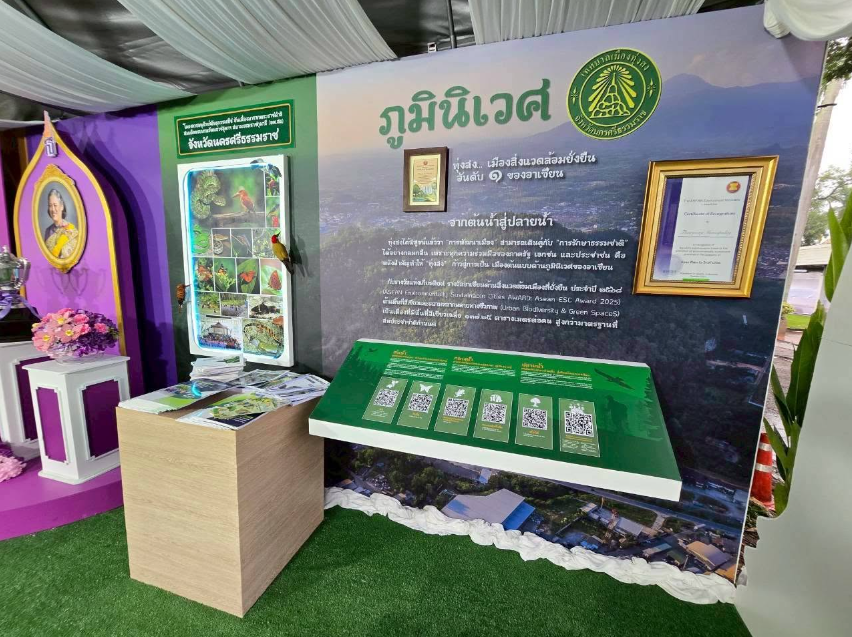
The six schools developed curriculum content and practical learning activities that connected biodiversity, ecosystems, energy, and equality with local environmental issues. Students gained opportunities to investigate biodiversity directly through activities such as ant and butterfly surveys, while teachers were able to adapt the learning design to different student age groups. This approach supported the inclusion of local biodiversity information in school learning plans and development activities. On 22 October 2025, the six schools and Rajamangala University of Technology Srivijaya presented their Eco-Map Curriculum outcomes at an open house and exhibition attended by 40 visitors from the Thailand Environment Institute, IUCN, partner organizations, and representatives from pilot areas in Chiang Rai and Surat Thani Provinces. The event demonstrated a nature-based approach to local development. Resort Anuban School presented engaging educational materials designed to inspire young children’s interest in environmental learning. Thung Song Municipality Sports School displayed a safety garment made from reused sacks and reflective strips, which was requested as a model for disaster-prevention personnel. Tha Phae Municipal Secondary School exhibited project-based learning products made from plastic waste, including earrings from bottle caps, woven plastic bags, and insulated cup holders. On 4 November 2025, the outcomes of the Eco-Map Curriculum were presented at the “Phuminivet, Phumiwattanatham, Nakhon Si Thammarat” event under the Plant Genetic Conservation Project under the Royal Initiative of Her Royal Highness Princess Maha Chakri Sirindhorn (RSPG): Rediscovering Local Resources. The presentation demonstrated how schools can apply local biodiversity knowledge in education and development planning, while strengthening awareness and shared responsibility for conserving local ecosystems.
Related Links / Supporting Evidence:
Information Provider: Asst.Prof.Dr.Worawitoo Meesook