Rajamangala University of Technology Srivijaya (RUTS), in collaboration with the Nakhon Si Thammarat Provincial Office of Tourism and Sports, implemented the Human Capacity Development Project for Tourism in Nakhon Si Thammarat Province to strengthen the knowledge, skills, and capabilities of local tourism personnel, community members, entrepreneurs, and related stakeholders. The project aimed to improve the ability of local stakeholders to manage and develop tourism destinations systematically and effectively while preparing communities to accommodate future tourism growth. Its implementation emphasized participatory learning, practical workshops, and creative tourism development tailored to local contexts. The initiative incorporated the Bio-Circular-Green Economy (BCG) Model into tourism development by promoting efficient use of local resources, environmental conservation, preservation of community culture and identity, and appropriate income generation from tourism. The project sought to create a model of participatory and sustainable tourism development in Nakhon Si Thammarat Province.
The target group included at least 120 tourism entrepreneurs and stakeholders, including community tourism operators, tour businesses and guides, restaurants, and accommodation providers in Nakhon Si Thammarat Province.
The project comprised several major capacity-building and tourism-development activities, including the development of the Phor Than Klai Wajasit historical learning and tourism route, training for accommodation operators to prepare for tourism accommodation standards, development of creative tourism based on the identity of Kreng Subdistrict, Cha-uat District, and promotion of White Tourism under the BCG Economy Model. The implementation also supported the development of tourism routes, maps, promotional materials, storytelling skills, local guide practice, tourism information in multiple languages, and community-based tourism experiences. The project framework combined stakeholder engagement, local-area assessment, workshops, service and management skills development, creative tourism design, and environmentally responsible tourism practices.
An important component was the promotion of White Tourism and Low Carbon Tourism, encouraging tourism operators and communities to manage tourism destinations in ways that are socially and environmentally responsible. The expected outcomes included improved tourism-service competencies and management approaches aligned with sustainable and low-carbon tourism principles. Through this collaboration, RUTS contributed to building stronger community capacity, preserving local cultural identity, improving tourism service standards, supporting community participation, and creating opportunities for sustainable local economic development. These activities directly support SDG 8: Decent Work and Economic Growth, particularly sustainable tourism, while contributing to SDGs 4, 11, 12, 13, and 17.
Key Activities / Implementation
For the template, I suggest highlighting these four activities:
1. Development of Historical Learning and Tourism Resources related to Phor Than Klai Wajasit
2. Training of Accommodation Entrepreneurs for Tourism Accommodation Standards
3. Development of Creative Tourism Based on the Identity of Kreng Subdistrict, Cha-uat District
4. Promotion of White Tourism in Nakhon Si Thammarat Province under the BCG Economy Model
Key Results / Outcomes
A concise SDG-report version could be:
The project enhanced the knowledge, skills, and tourism management capacity of local personnel and entrepreneurs while promoting community participation, local cultural identity, creative tourism, sustainable resource use, and environmentally responsible tourism. It also supported the development of tourism routes, promotional materials, storytelling skills, accommodation standards, and low-carbon tourism practices.
Key Figures or Measurable Results
From the report, a safe measurable figure to include is:
– At least 120 tourism entrepreneurs and stakeholders targeted, including community tourism operators, tour businesses and guides, restaurants, and accommodation providers.
– Activities implemented across 4 major tourism-development components
– White Tourism learning activities included documented implementation on 18–19 October 2025.
The report also records very high satisfaction levels for learning-related activities, including ratings such as 4.87/5 for knowledge gained, 4.85/5 for staff service/information, and 4.78/5 for travel arrangements.
The project not only developed valuable historical learning materials but also promoted cultural tourism in Nakhon Si Thammarat Province and contributed to the preservation and transmission of local historical heritage to future generations.
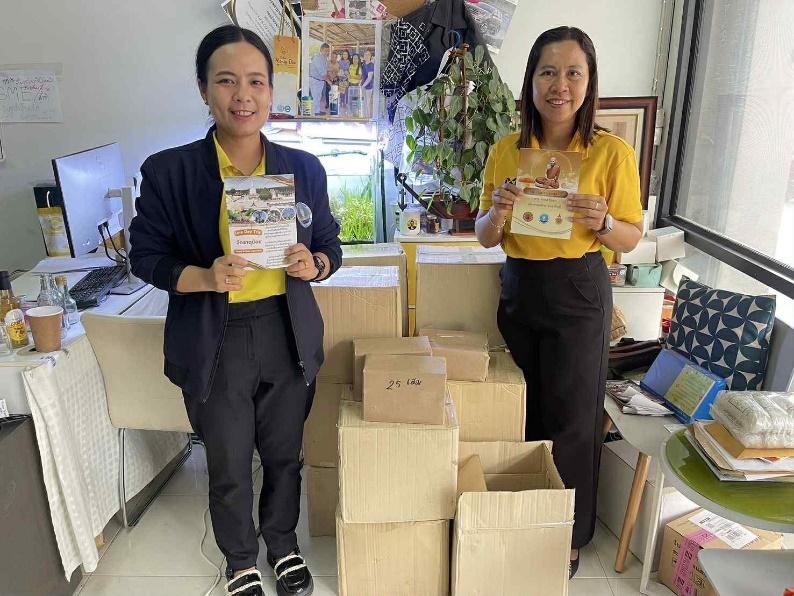
Delivery of the Historical Tourism Guidebook and the Biography of Phor Than Klai Wajasit
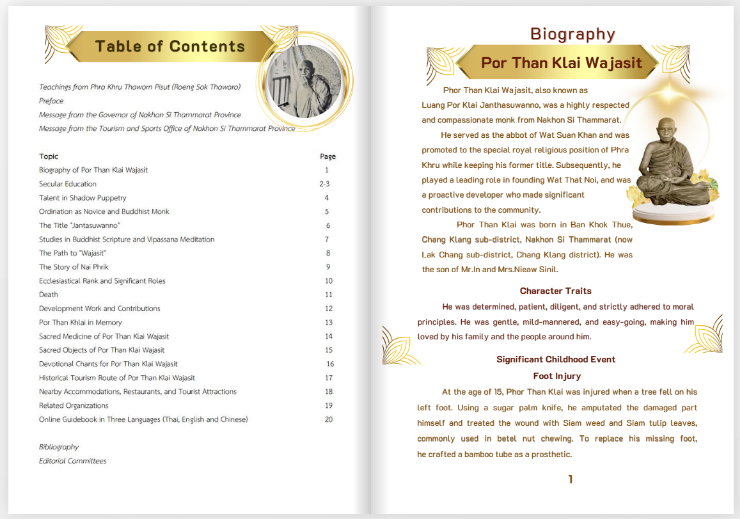

QR Code E-book
A two-day capacity-building program was conducted to strengthen participants’ service and storytelling skills related to Phor Than Klai Wajasit. The program was delivered by experienced trainers with expertise in service development, local guiding, and cultural storytelling, and was attended by 50 participants. The training curriculum covered service psychology and good-host practices, hospitality skills and professional personality for local guides, techniques for conducting guided tours, the history of Wat That Noi, the life and history of Phor Than Klai Wajasit, and other tourism attractions connected to the historical tourism route. The activity aimed to enhance the ability of local personnel to communicate cultural and historical knowledge effectively while improving the quality of visitor services and supporting sustainable cultural tourism.
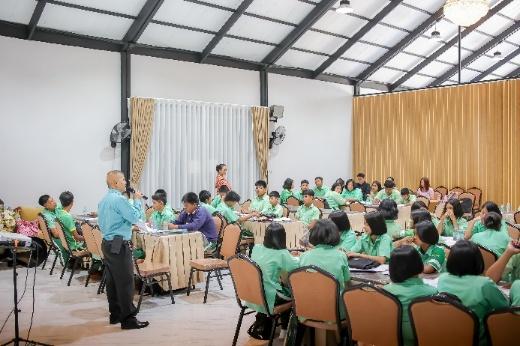
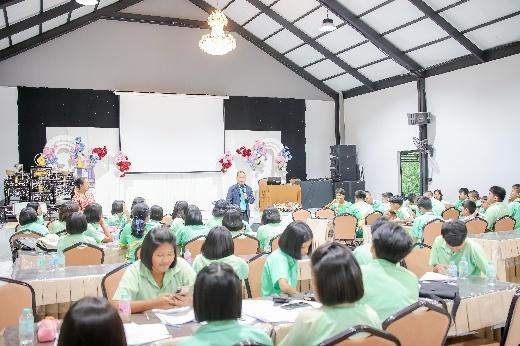
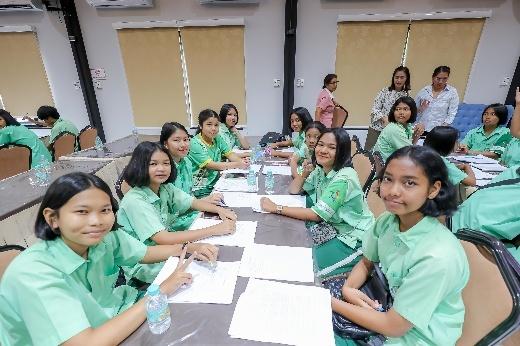
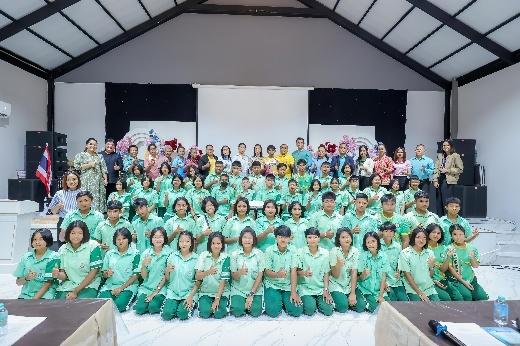
Capacity Development in Service and Storytelling: “Phor Than Klai Wajasit”
Following the training, participants in the Service and Storytelling Capacity Development Program on “Phor Than Klai Wajasit” were assessed to determine their competency and eligibility to receive an official Storyteller Identification Card.
A total of 16 participants out of 50 participants successfully passed the assessment, representing 32% of all participants. Those who met the required criteria were recognized as qualified local storytellers capable of communicating the historical and cultural significance of Phor Than Klai Wajasit and supporting cultural tourism activities in Nakhon Si Thammarat Province.
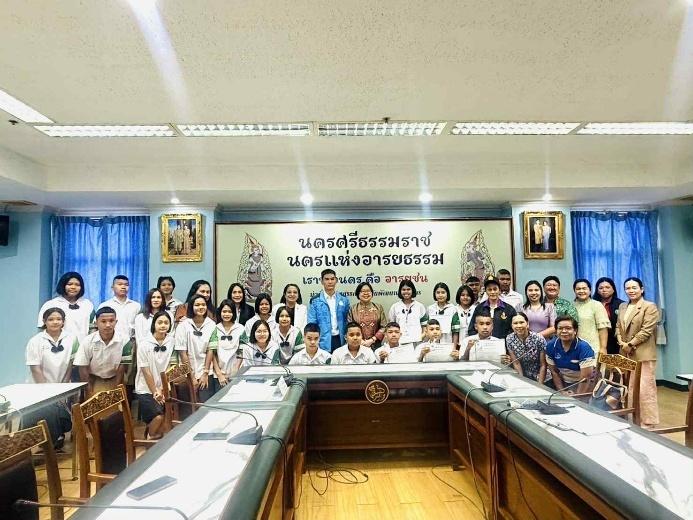
Assessment Results of the Storytelling Capacity Development Program
Related Links Final Report: Human Capacity Development Project for Tourism in Nakhon Si Thammarat Province
– Activity reports and participant records
– Tourism route maps
– Thai, English, and Chinese tourism e-books
– Workshop and field activity photographs
– Training assessment results
– White Tourism and BCG learning-exchange documentation
Information Provider:Rajamangala University of Technology Srivijaya (RUTS)in collaboration with Nakhon Si Thammarat Provincial Office of Tourism and Sports