
Rajamangala University of Technology Srivijaya (RUTS) systematically monitors and records water consumption across its five main operational areas: Songkhla, Sai Yai, Thung Yai, Khanom, and Trang. Water consumption varies across these areas depending on campus infrastructure, academic and research activities, facility types, local climate, and the number of students and staff.
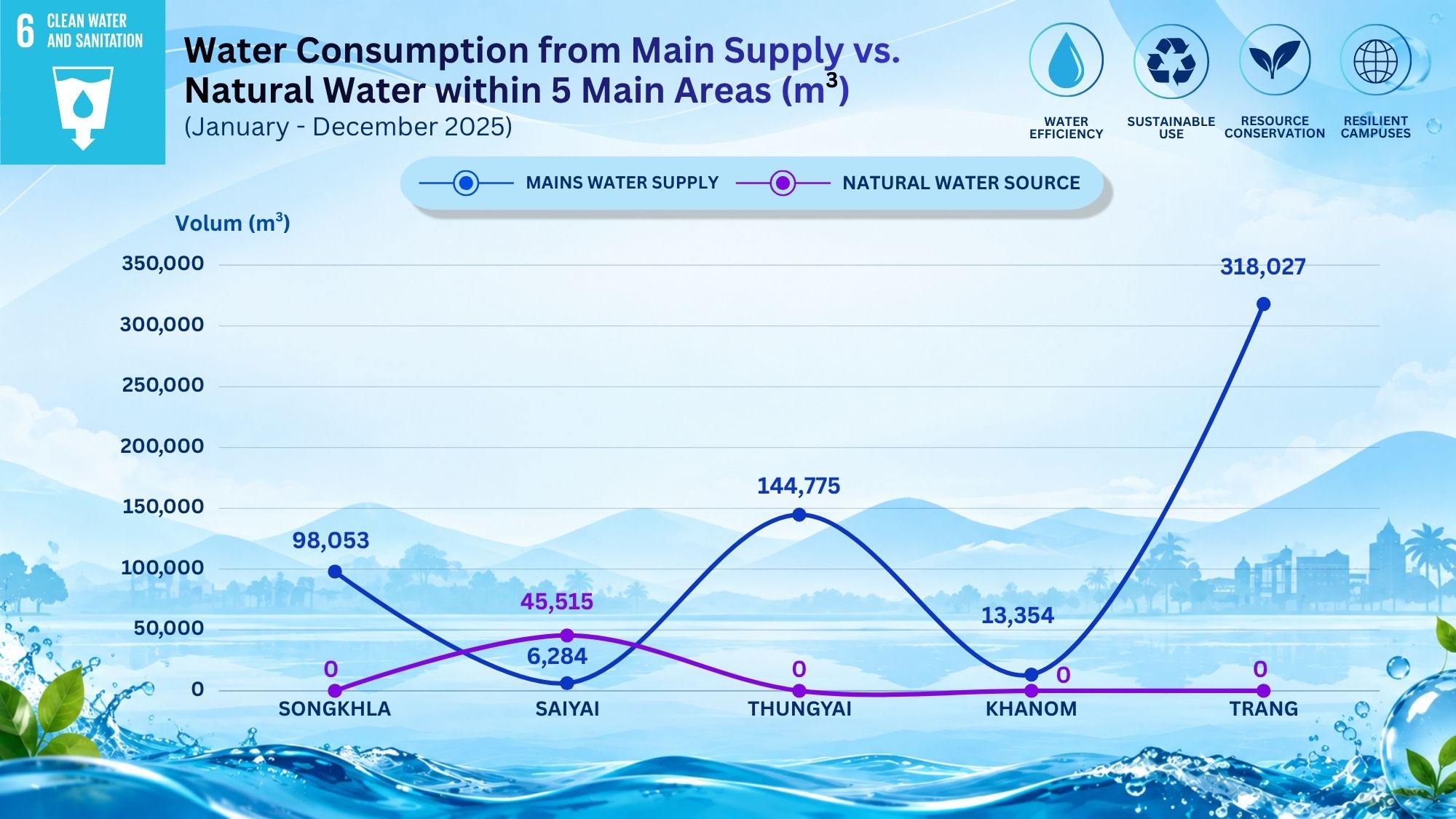
Figure 1. Water Consumption from Main Supply vs. Natural Water within 5 Main Areas (m3)
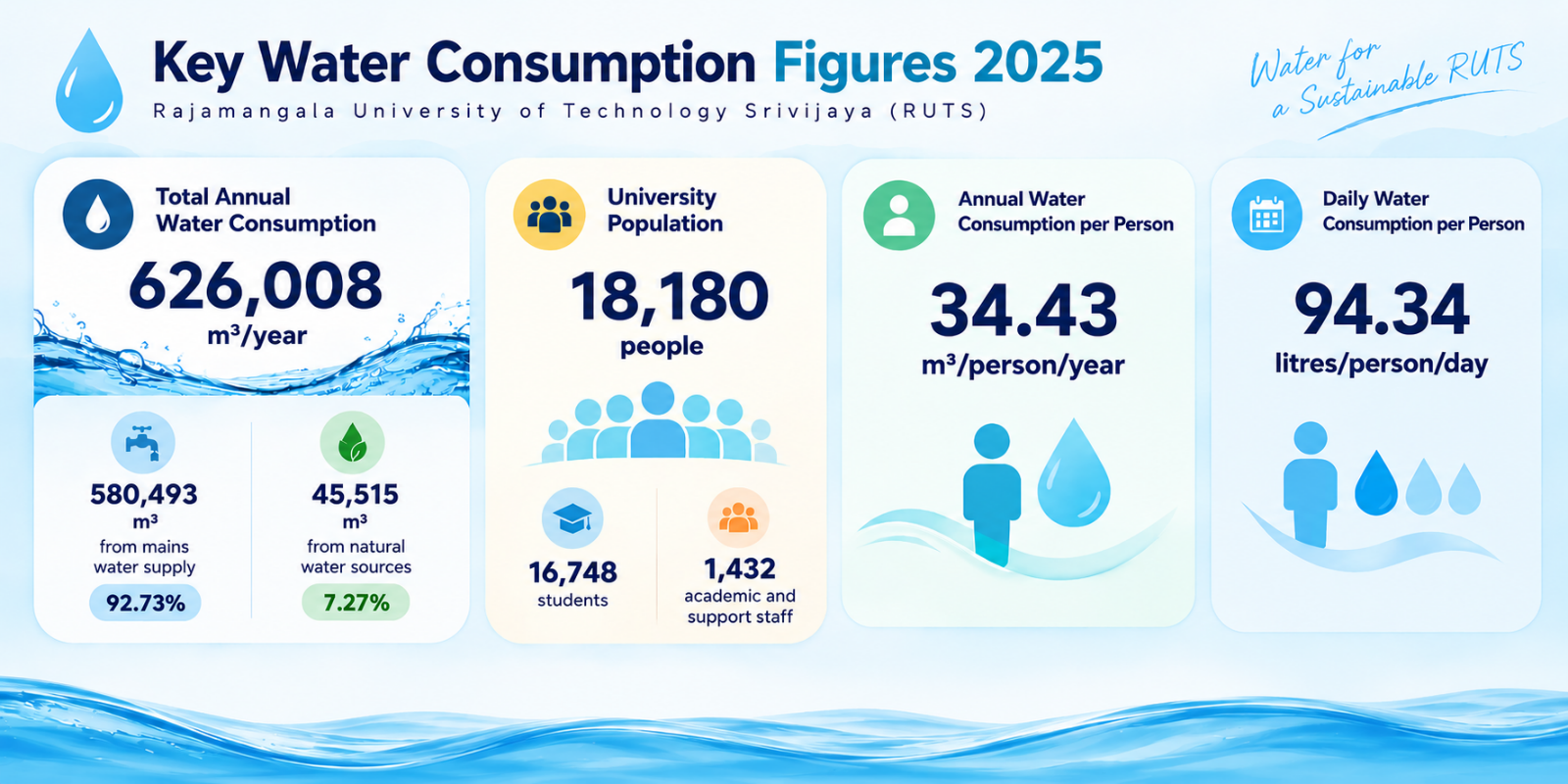
Figure 2. Key Water Consumption Figures 2025
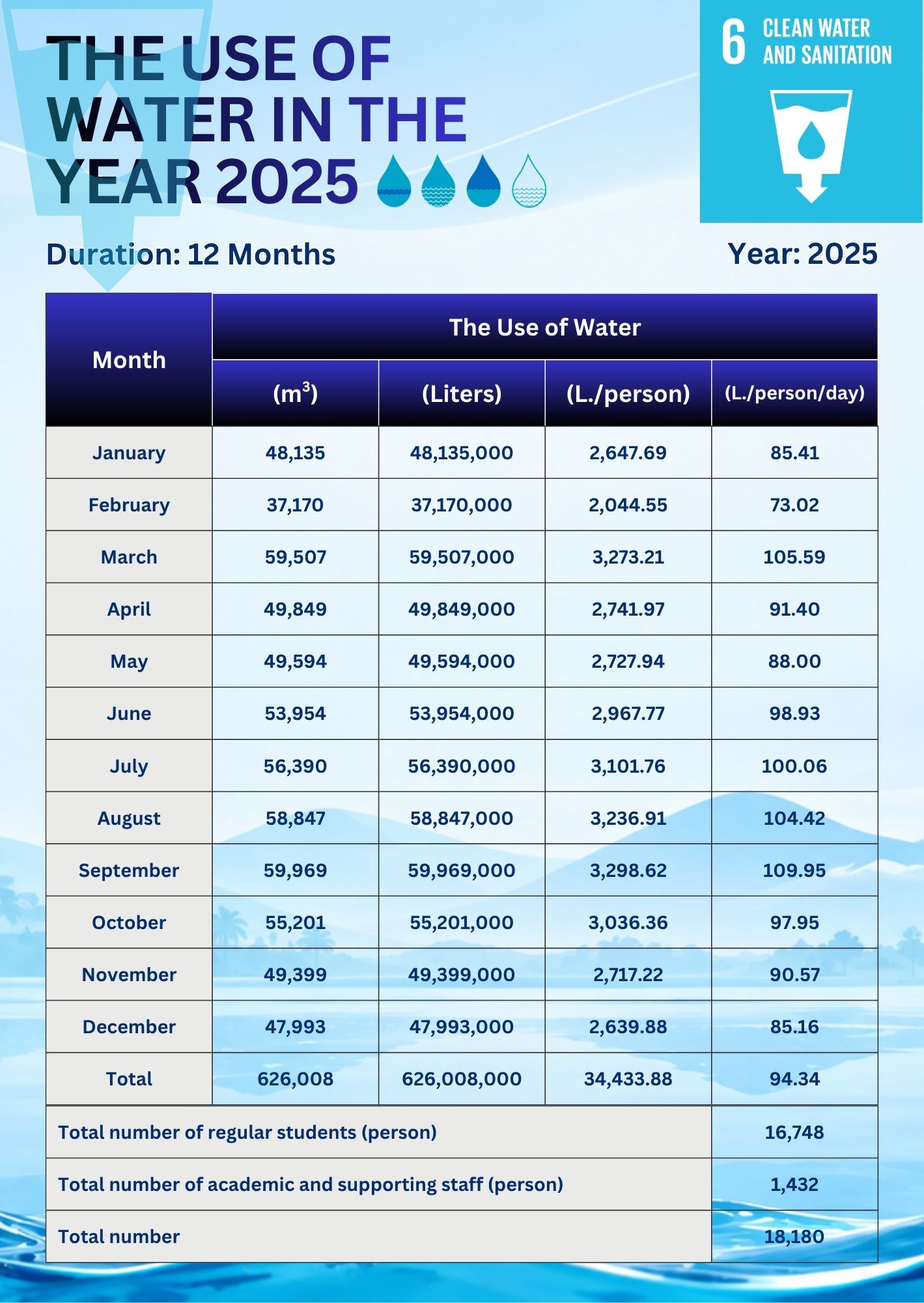
Figure 3. The Use of Water in the Year 2025
Water is used throughout the University for a wide range of academic, administrative, and operational activities. The main areas of water use include academic buildings and laboratories, where water is required for teaching, research, experiments, equipment cleaning, and sanitation; dining halls and cafeterias, which use water for food preparation, cooking, and cleaning; and restrooms and sanitation facilities serving students, staff, and visitors. Water is also used for landscaping and irrigation, including the maintenance of gardens, lawns, and sports fields, as well as for cleaning and daily operations in sports and recreational facilities. In addition, Trang Campus has specialized aquarium and aquatic animal facilities that require water for aquatic animal care, maintaining water quality, cleaning tanks, and supporting practical training and educational activities.
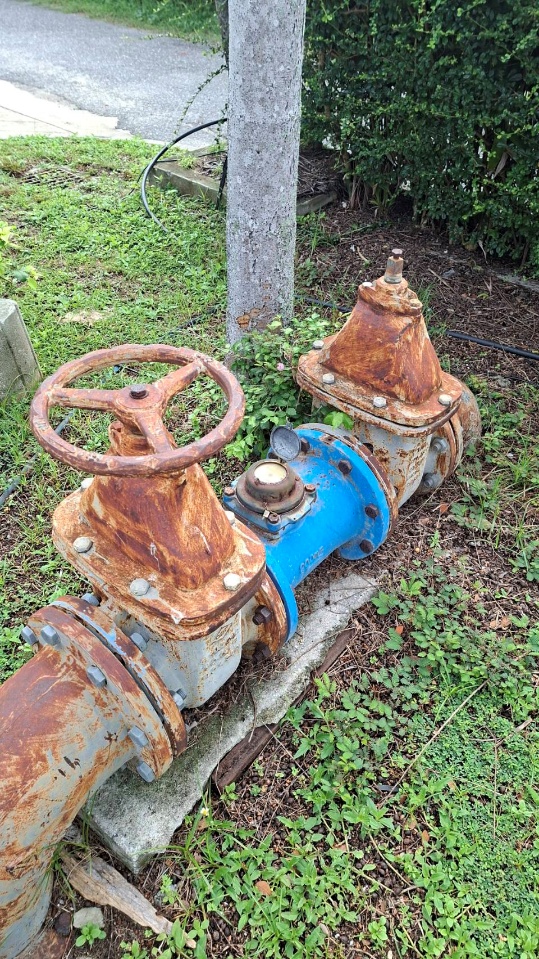
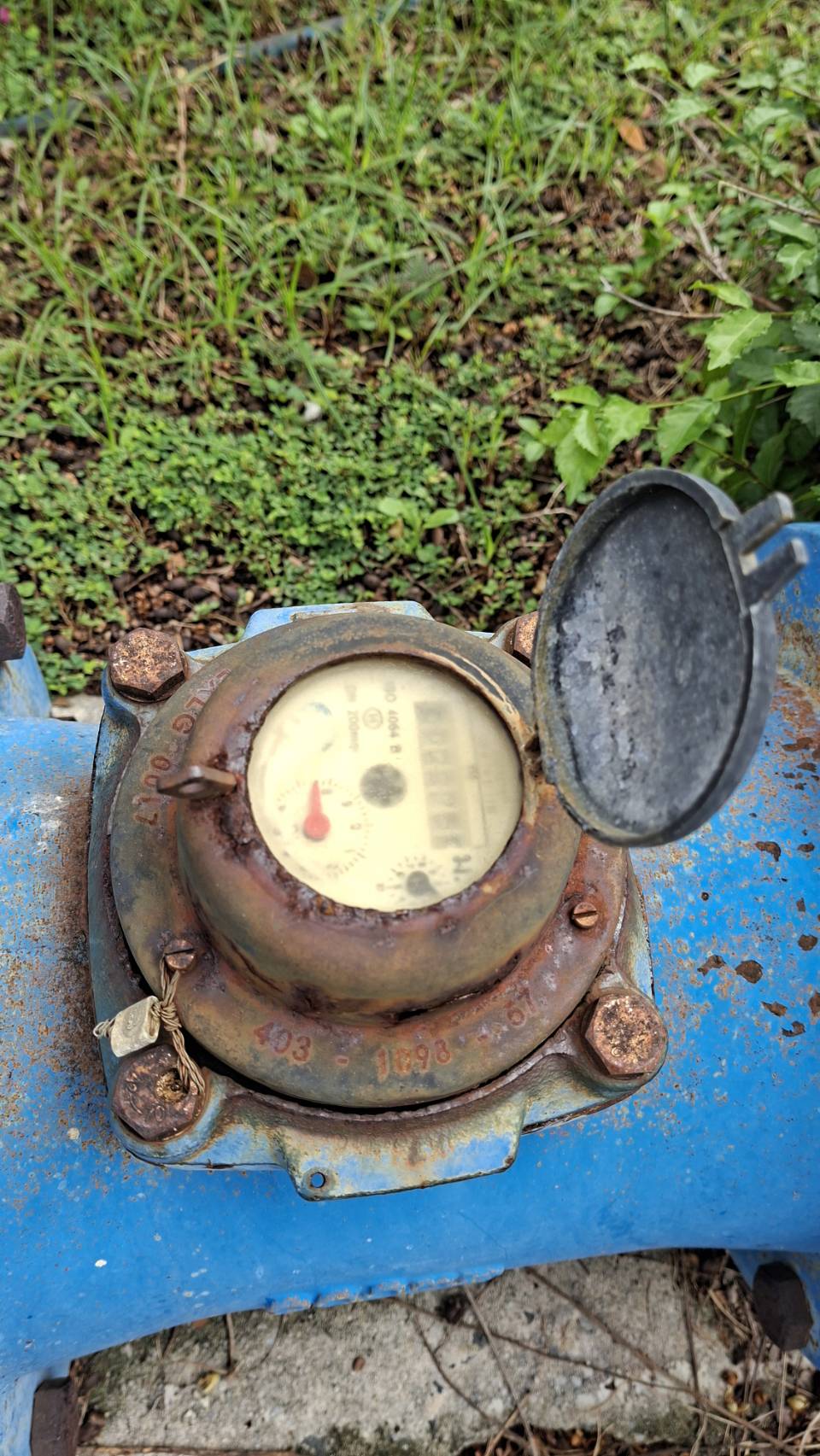
These records provide an overview of water consumption across the University and allow RUTS to monitor monthly and annual water use, identify variations in demand, and maintain consistent and traceable data for institutional reporting. The University’s water consumption monitoring system supports the documentation and assessment of water use under Sustainable Development Goal 6 (Clean Water and Sanitation), particularly Indicators 6.2.1 – Water Consumption Tracking and 6.2.2 – Water Consumption per Person.
Related Links:
The number of students in 2025
https://sis.rmutsv.ac.th/regInfo2019/statistic/report/xlsallStatisticSDG.php
The number of staff in 2025
https://personnel.rmutsv.ac.th/ruts/wp-content/uploads/2026/04/12_30_%E0%B8%98%E0%B8%84_2568.pdf
RUTS Report on Water Consumption and Monitoring in 2025