
Institutional Approach to Water Conservation in Buildings
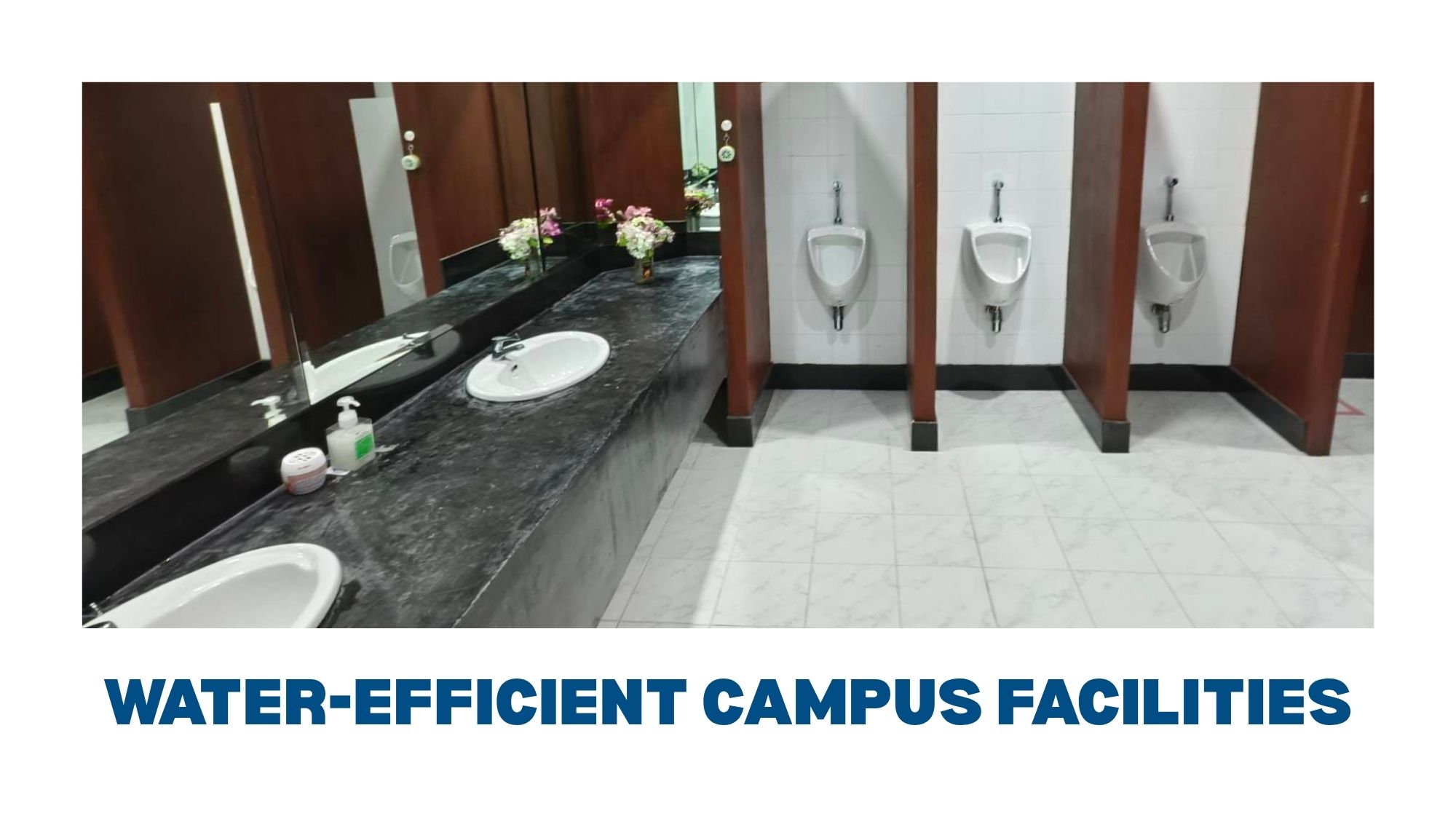
Figure 1. Water-saving fixtures and facilities supporting efficient water use in university buildings.
Integration of Water-Saving Features into Campus Facilities
As part of its efforts to improve water efficiency, RUTS has introduced water-saving fixtures in university buildings, including push-button faucets and automatic shut-off taps in washrooms and handwashing areas. These fixtures are designed to regulate water flow and limit unnecessary water consumption. By allowing water to stop automatically or after a controlled period of use, they help minimize water wastage associated with taps being left running unintentionally. The use of water-efficient fixtures reflects the university’s practical approach to water conservation and its efforts to improve the sustainability of campus infrastructure.
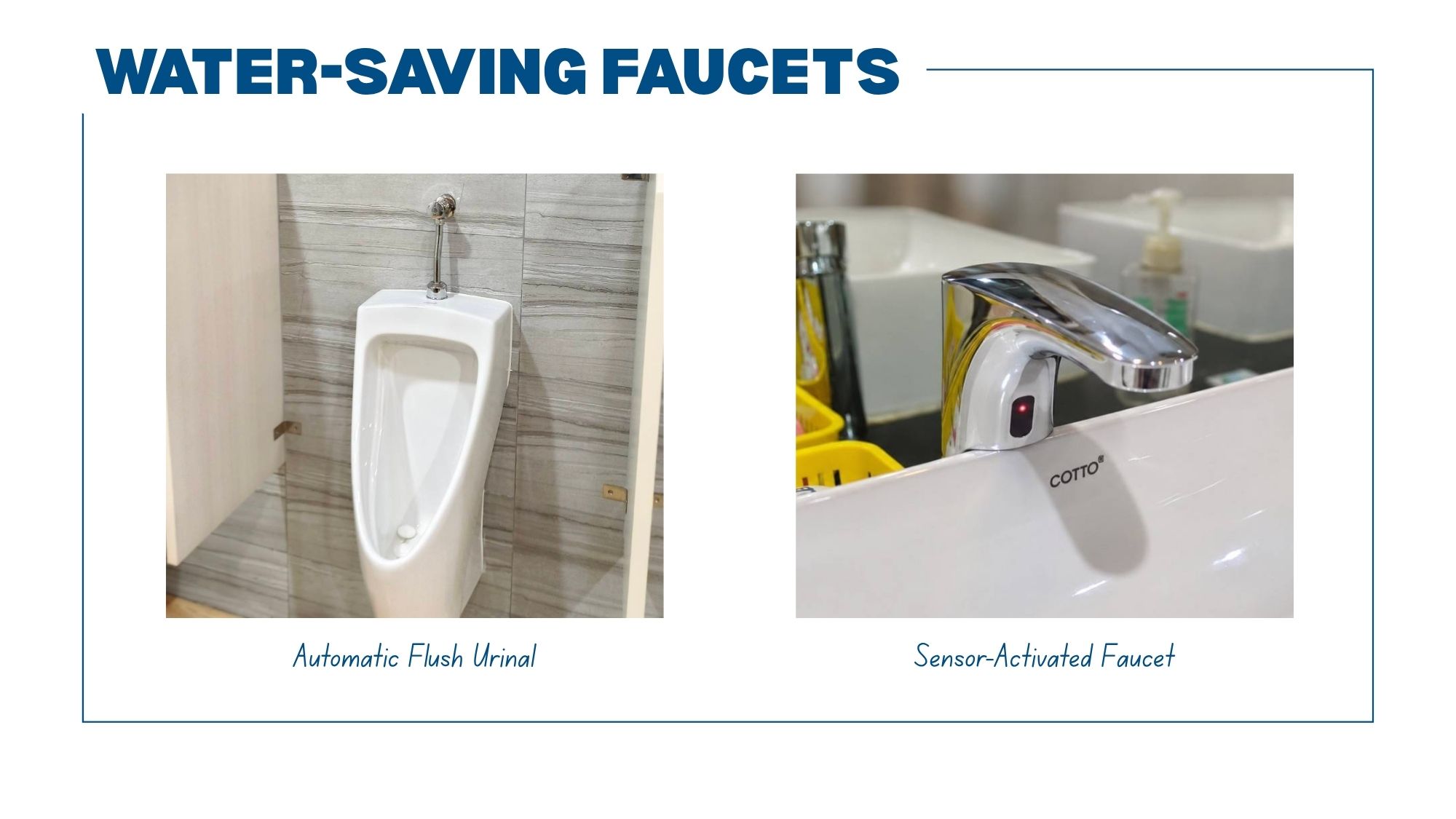
Figure 2. Examples of water-saving faucets used to support efficient water consumption in campus facilities.
Institutional Water Conservation Measures
The university’s approach to water conservation is further supported by its Announcement on Energy and Resource Conservation Measures, A.D. 2025, which establishes guidelines for responsible water use and the maintenance of water supply systems across university facilities. The measures encourage users to avoid leaving taps running unnecessarily, ensure faucets are properly closed after use, and promptly report leaking or damaged water pipes to responsible personnel. They also require regular inspection of water pumps and water control systems according to established maintenance schedules, helping to maintain the efficiency of water supply infrastructure and prevent avoidable water losses.
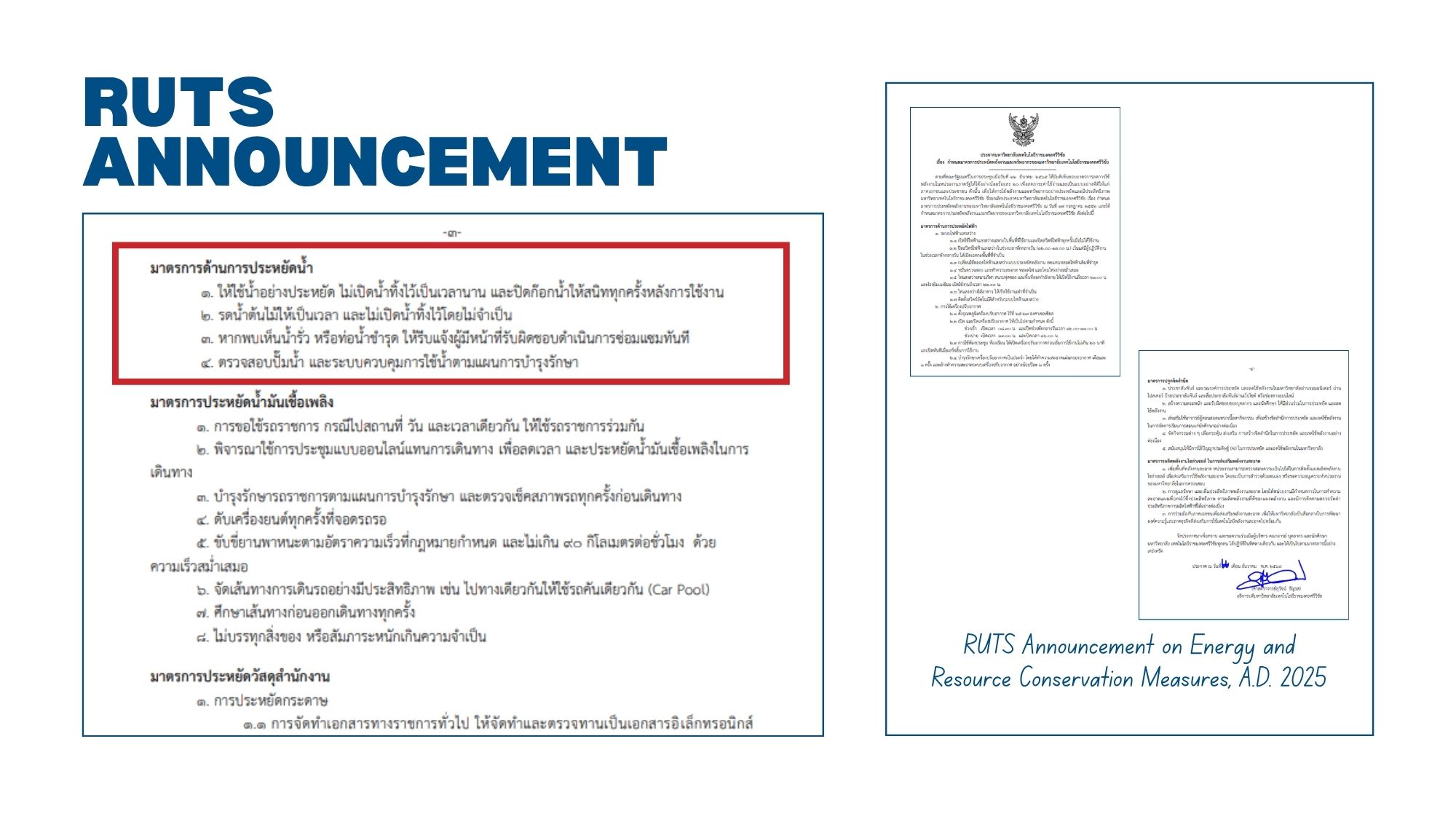
Figure 3. RUTS Announcement on Energy and Resource Conservation Measures, A.D. 2025, outlining institutional water conservation and maintenance practices.
Supporting Sustainable Campus Infrastructure
Through the integration of water-saving fixtures and institutional conservation measures, RUTS seeks to improve water efficiency and reduce unnecessary water consumption across its campus facilities. These efforts reflect the university’s commitment to incorporating environmental considerations into building management and infrastructure improvements. By promoting efficient water use through practical facility improvements and preventive maintenance, RUTS continues to support responsible water resource management and the development of a more sustainable campus environment.
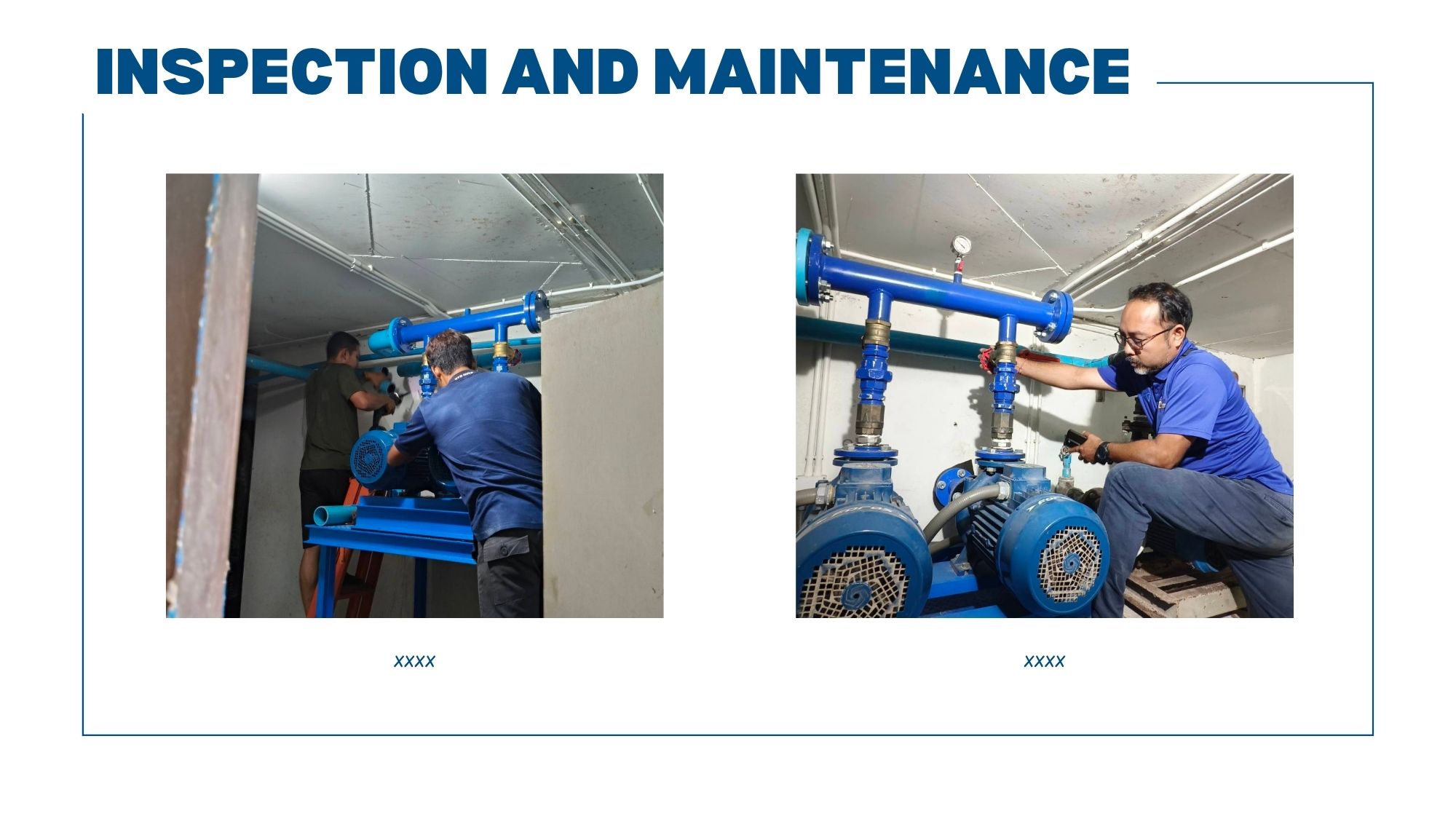
Figure 4. Inspection and maintenance of water supply equipment and control systems to support efficient water management.
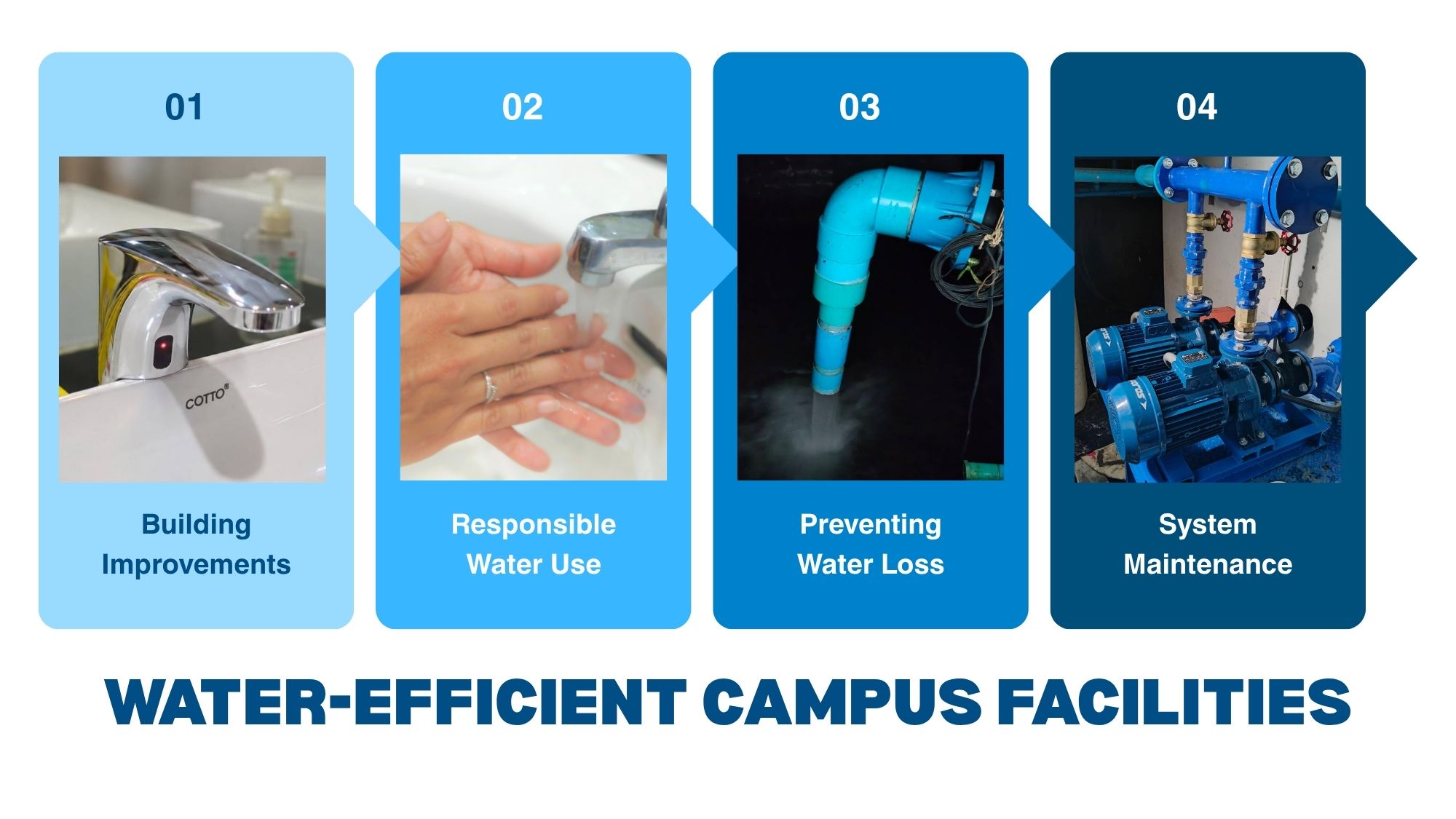
Figure 5. RUTS approach to improving water efficiency through building facilities, conservation measures, and infrastructure maintenance.