
Institutional Commitment to Sustainable Water Management
Rajamangala University of Technology Srivijaya (RUTS) is committed to developing an environmentally responsible university through its Green University policy, in line with the University’s 20-Year Strategic Development Plan (2018–2037). To support this commitment, RUTS has established an institutional policy on environmental and energy management, health, hygiene, and safety. The policy provides a framework for university departments, staff, students, and other stakeholders to participate in environmental conservation and the responsible management of natural resources.
Water resource management forms an important part of this commitment, particularly in relation to wastewater management, pollution prevention, and the reuse of treated wastewater.
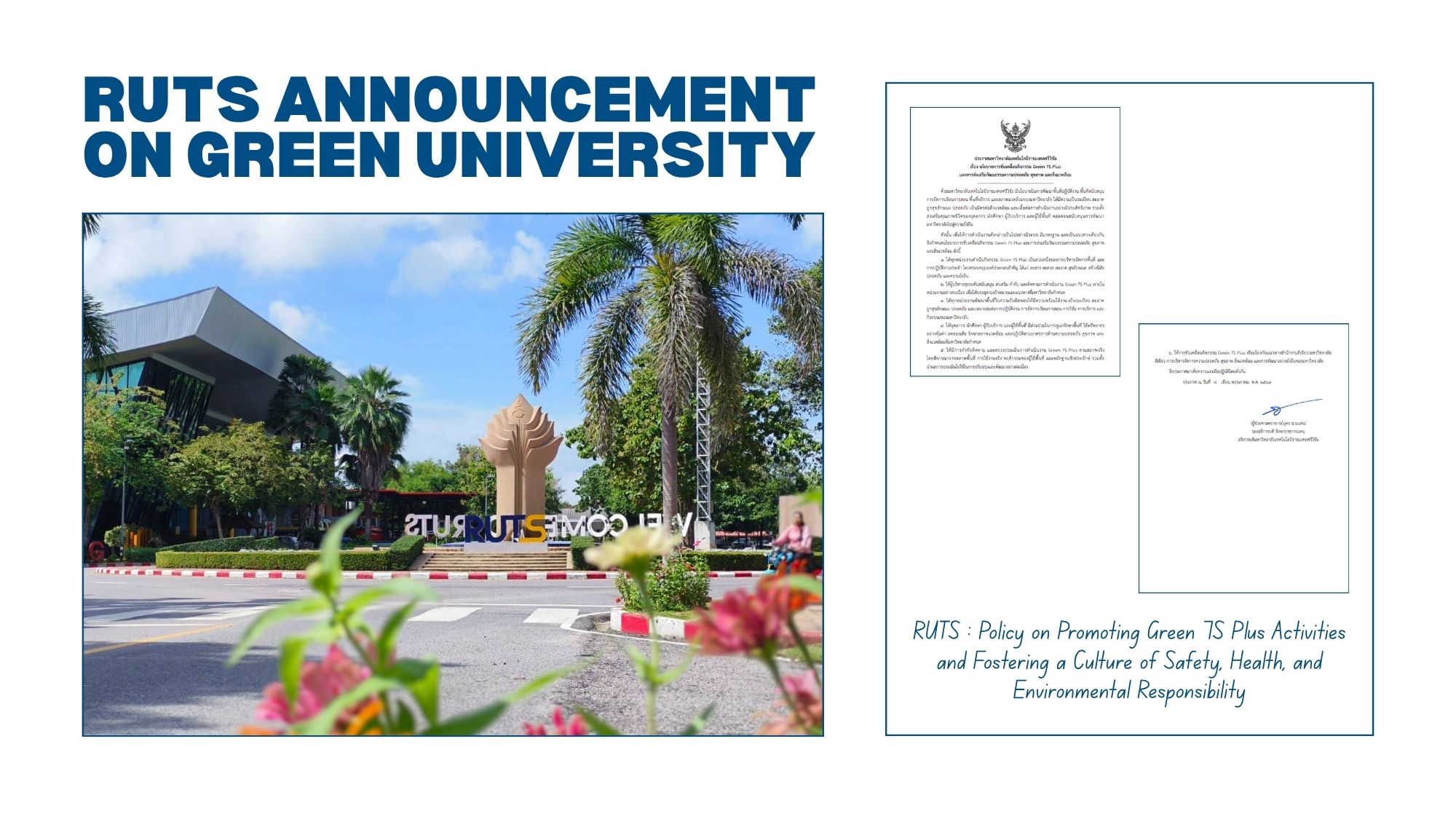
Figure 1. RUTS institutional commitment to environmental sustainability and Green University development.
Institutional Policy on Water Reuse
Under its environmental management policy, RUTS supports the development of efficient and appropriate wastewater collection systems, measures to prevent wastewater contamination of campus water bodies, and the reuse of treated wastewater for beneficial purposes.
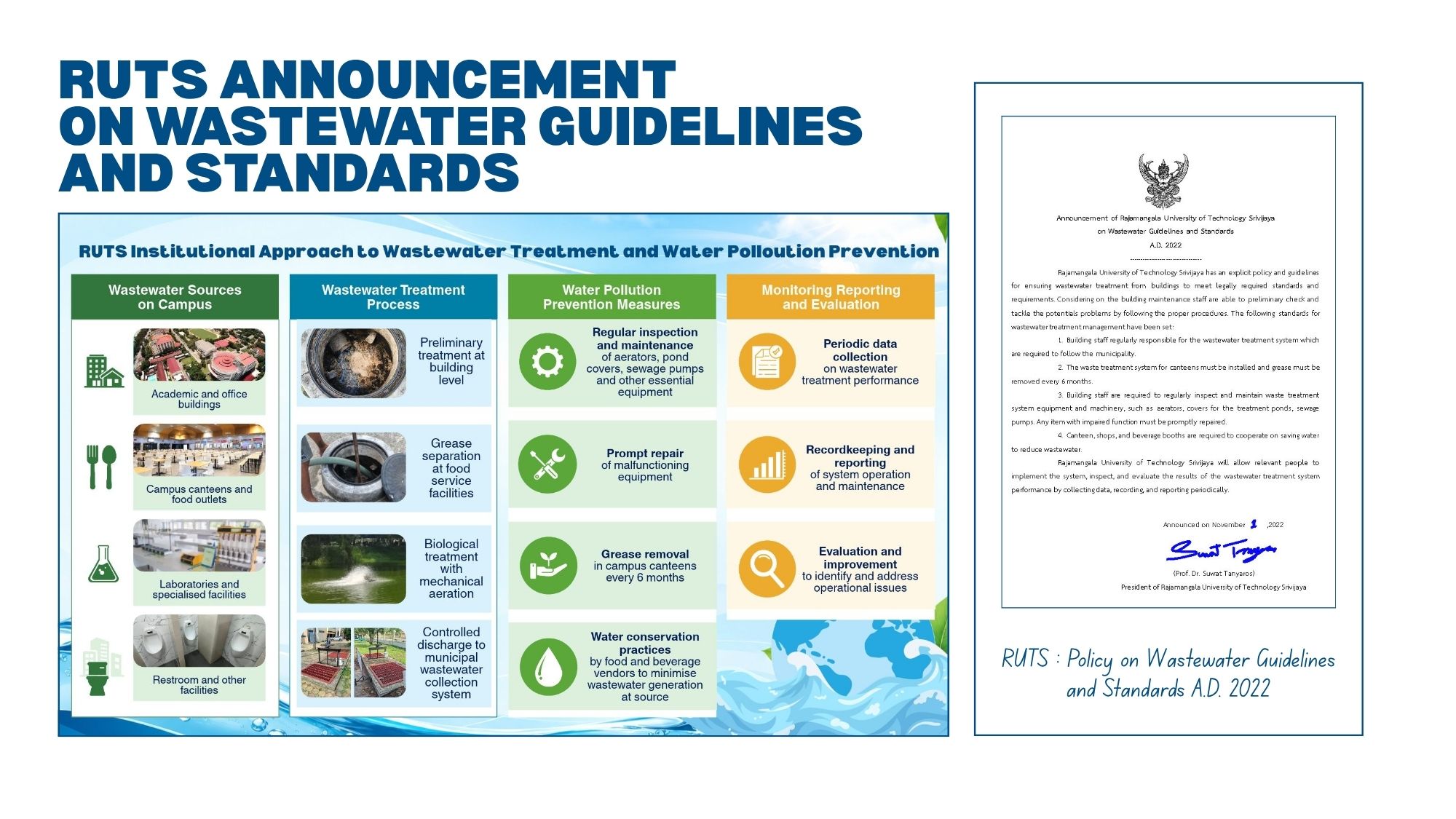
The policy recognizes the importance of managing wastewater beyond the treatment process by encouraging the recovery and reuse of treated water wherever appropriate.
By integrating water reuse into its institutional environmental framework, RUTS promotes a more sustainable approach to water resource management and seeks to reduce unnecessary dependence on freshwater for campus operations.
Reuse of Treated Wastewater for Campus Landscaping
In practice, RUTS reuses treated wastewater primarily for watering plants and maintaining landscaped areas within the university.
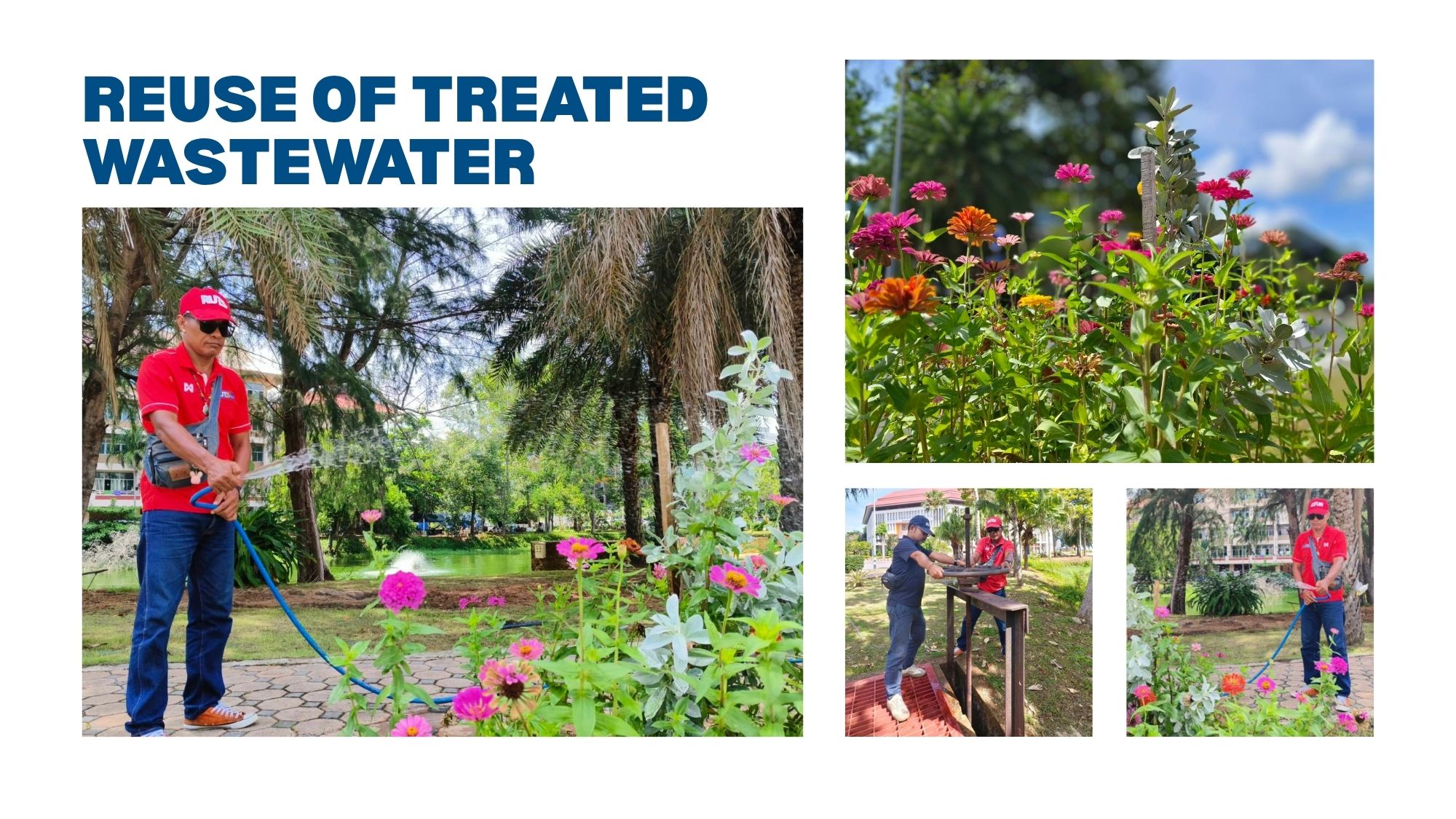
Figure 3. Reuse of treated wastewater for plant watering and landscape maintenance at RUTS.
After undergoing wastewater treatment, the recovered water is used to support the maintenance of campus greenery and landscaped spaces. This allows treated wastewater to serve a useful purpose rather than being treated solely as water for disposal.
The practice contributes to the university’s efforts to conserve freshwater resources by providing an alternative water source for landscape maintenance.
It also reflects the practical implementation of RUTS’s Green University policy, linking wastewater management with environmental conservation and the responsible use of water resources.
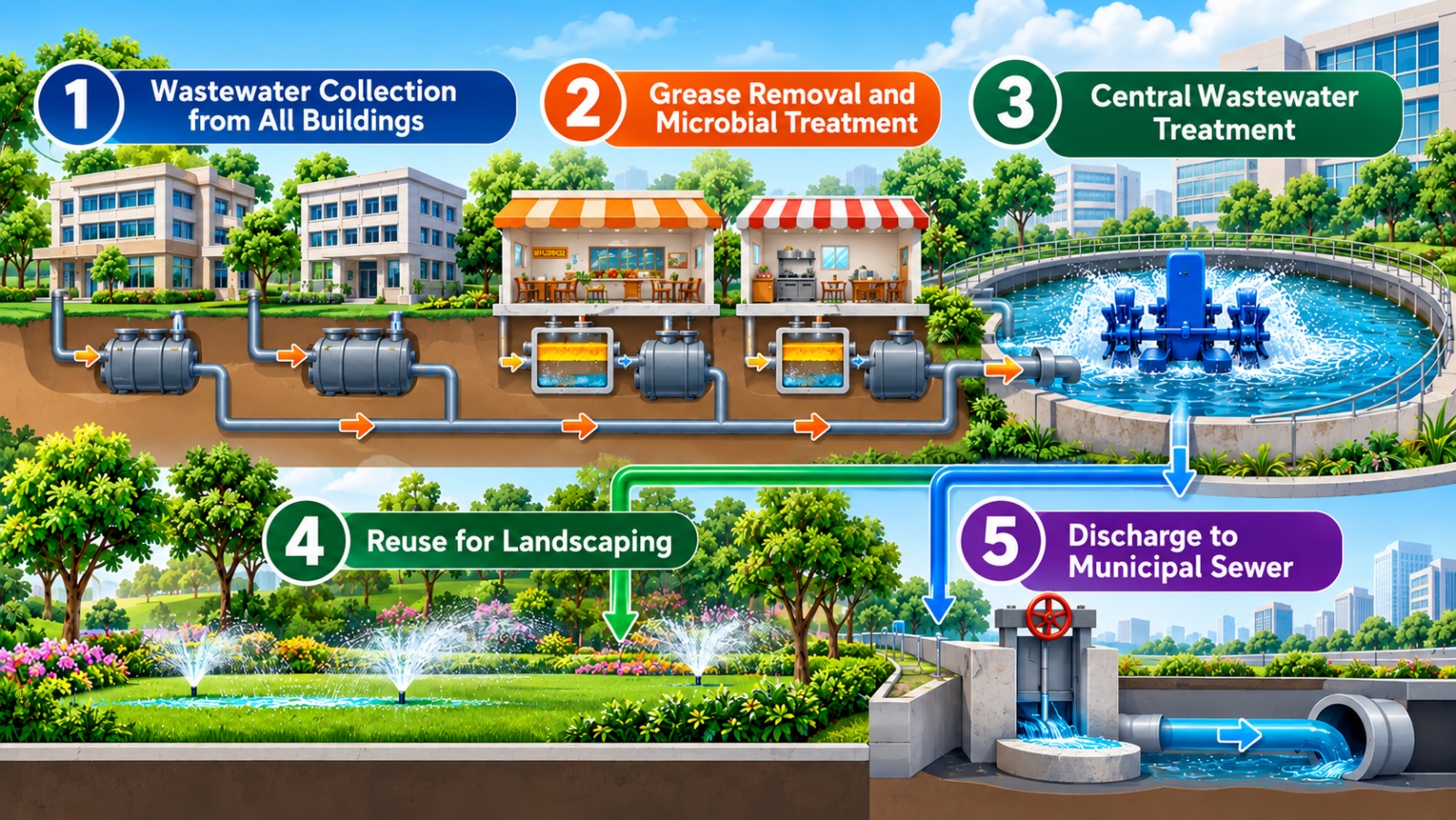
Figure 4. Overview of treated wastewater reuse for landscape irrigation at RUTS.
Water Reuse Monitoring and Future Improvement
While treated wastewater is reused for landscape maintenance, RUTS has not yet installed dedicated water meters to measure the volume of water reused.
Strengthening water reuse monitoring through appropriate measurement and record-keeping methods would provide more reliable information on the volume of treated wastewater recovered and used for campus landscaping.
Such improvements would help the university evaluate water reuse practices more systematically and support future decisions on water conservation and sustainable campus management.
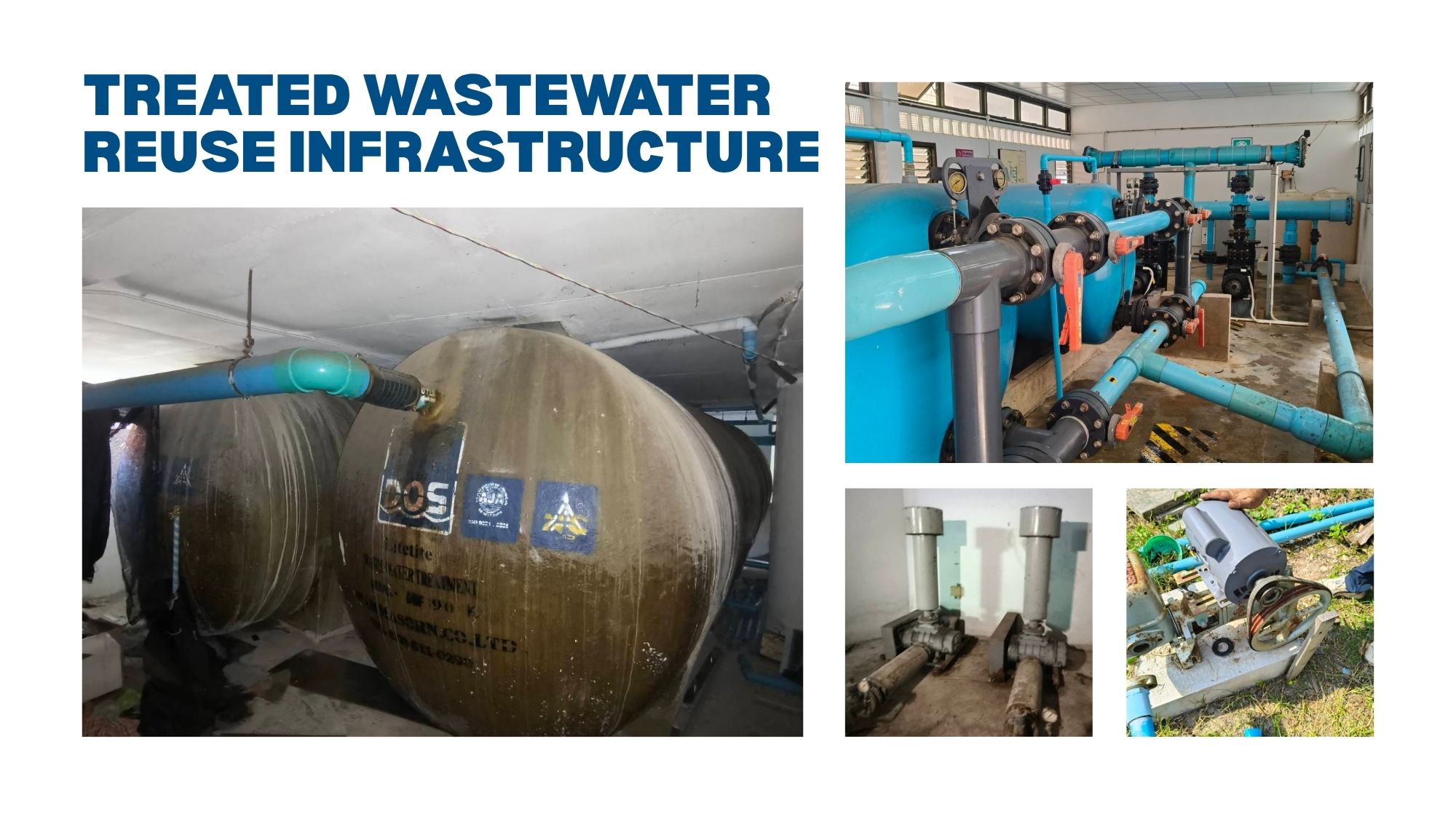
Supporting Sustainable Campus Operations
The reuse of treated wastewater for landscape maintenance demonstrates RUTS’s efforts to incorporate resource conservation into everyday campus operations.
Through its institutional environmental policy and practical wastewater reuse activities, the university continues to promote responsible water management and environmentally sustainable campus development.
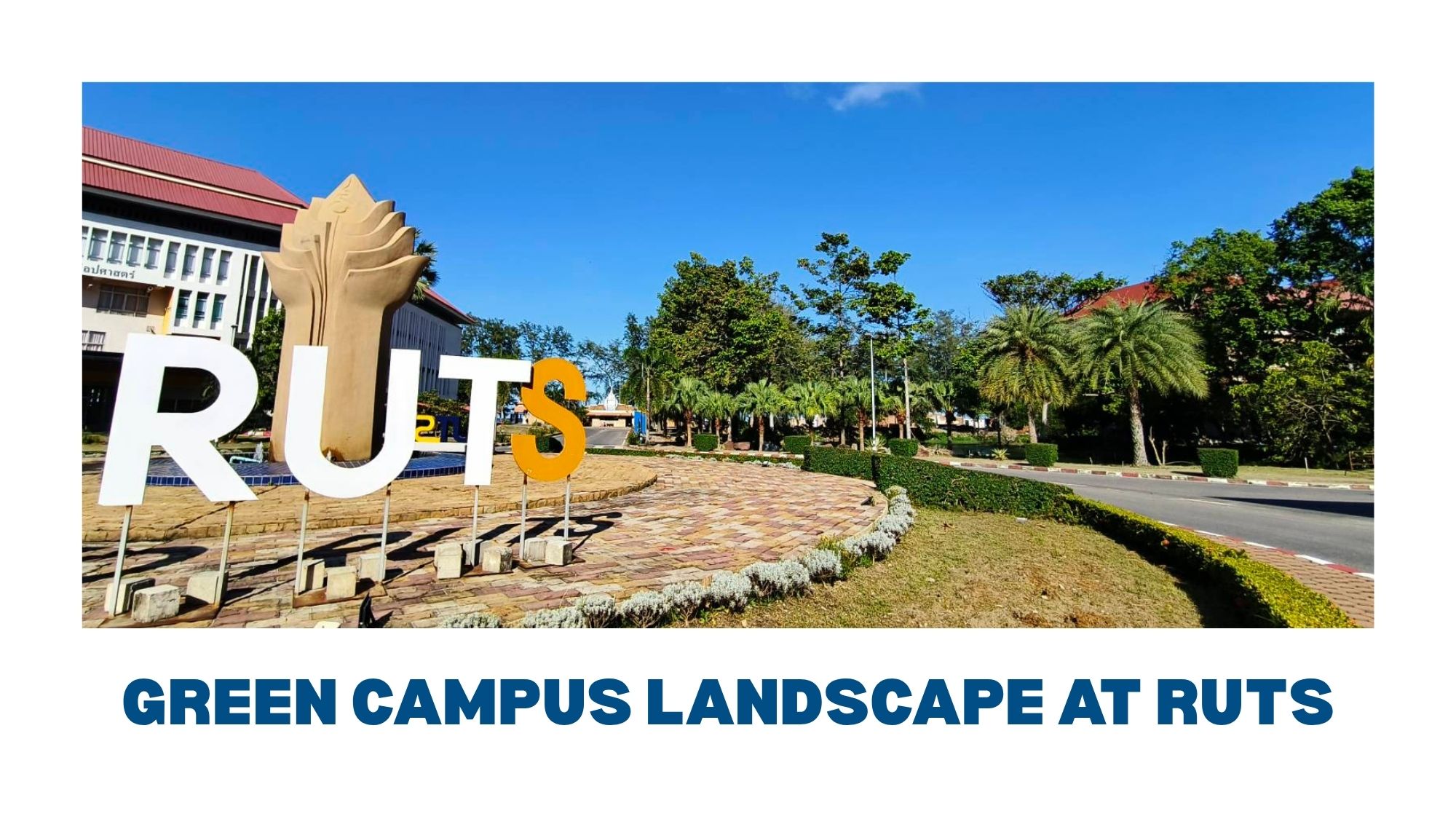
Figure 6. Green campus landscape at RUTS, reflecting its commitment to sustainable campus management.
Related Links:
https://general.rmutsv.ac.th/ruts/sdg-6-activities/
Information Provider: