
Institutional Commitment to Responsible Water Consumption
Rajamangala University of Technology Srivijaya (RUTS) places importance on the responsible use of water resources as part of its commitment to environmental sustainability and efficient campus management. Recognizing that water conservation requires both effective resource management and responsible individual behavior, the university has established institutional measures to encourage students, staff, and university departments to use water efficiently and avoid unnecessary waste.
In 2025, RUTS formalized its approach through the Announcement on Energy and Resource Conservation Measures, A.D. 2025, which provides guidance on responsible water consumption and resource management across university operations.
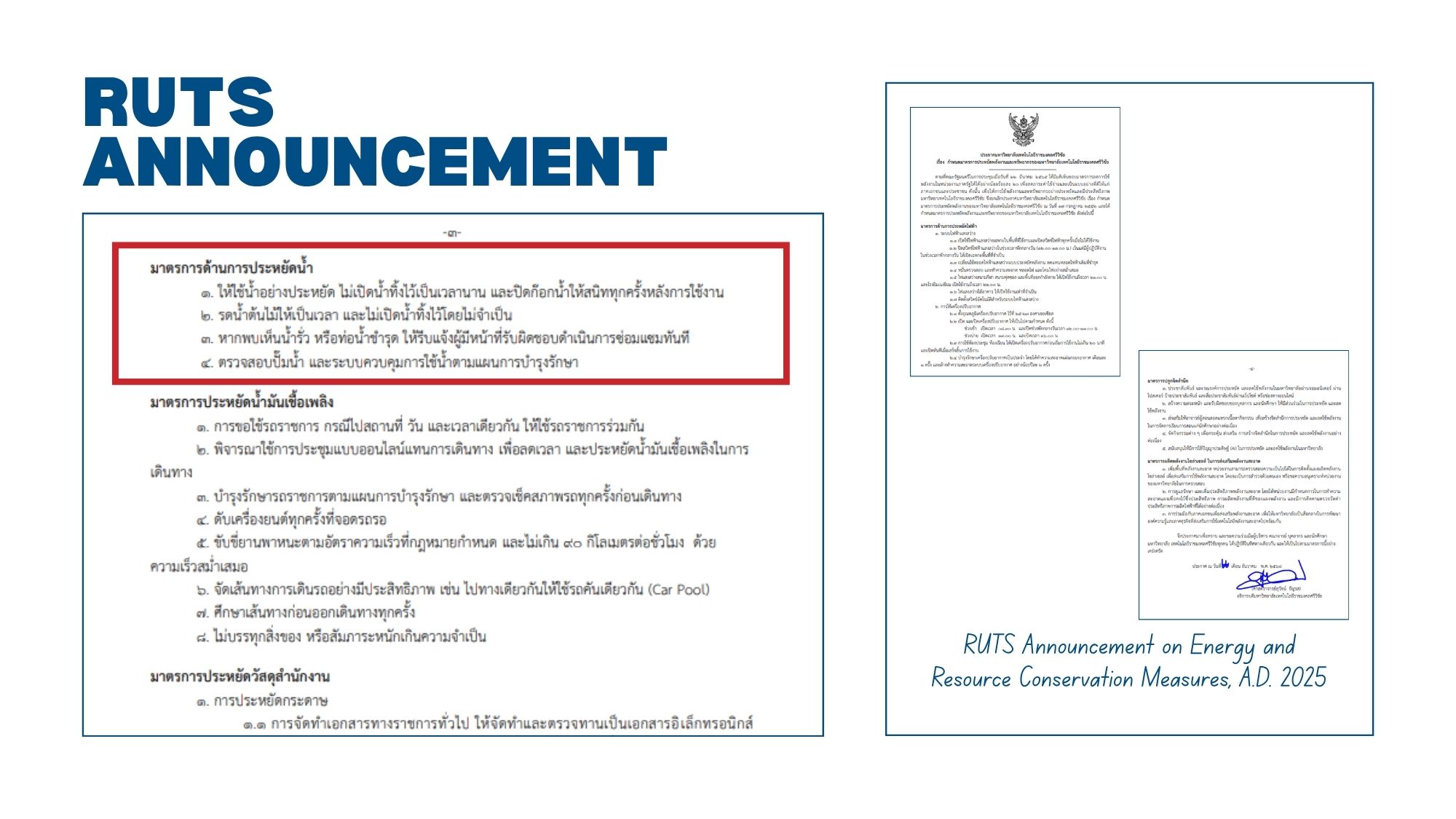
Figure 1: RUTS Announcement on Energy and Resource Conservation Measures, A.D. 2025, outlining institutional measures for responsible water use.
Encouraging Water-Saving Practices in Daily Campus Activities
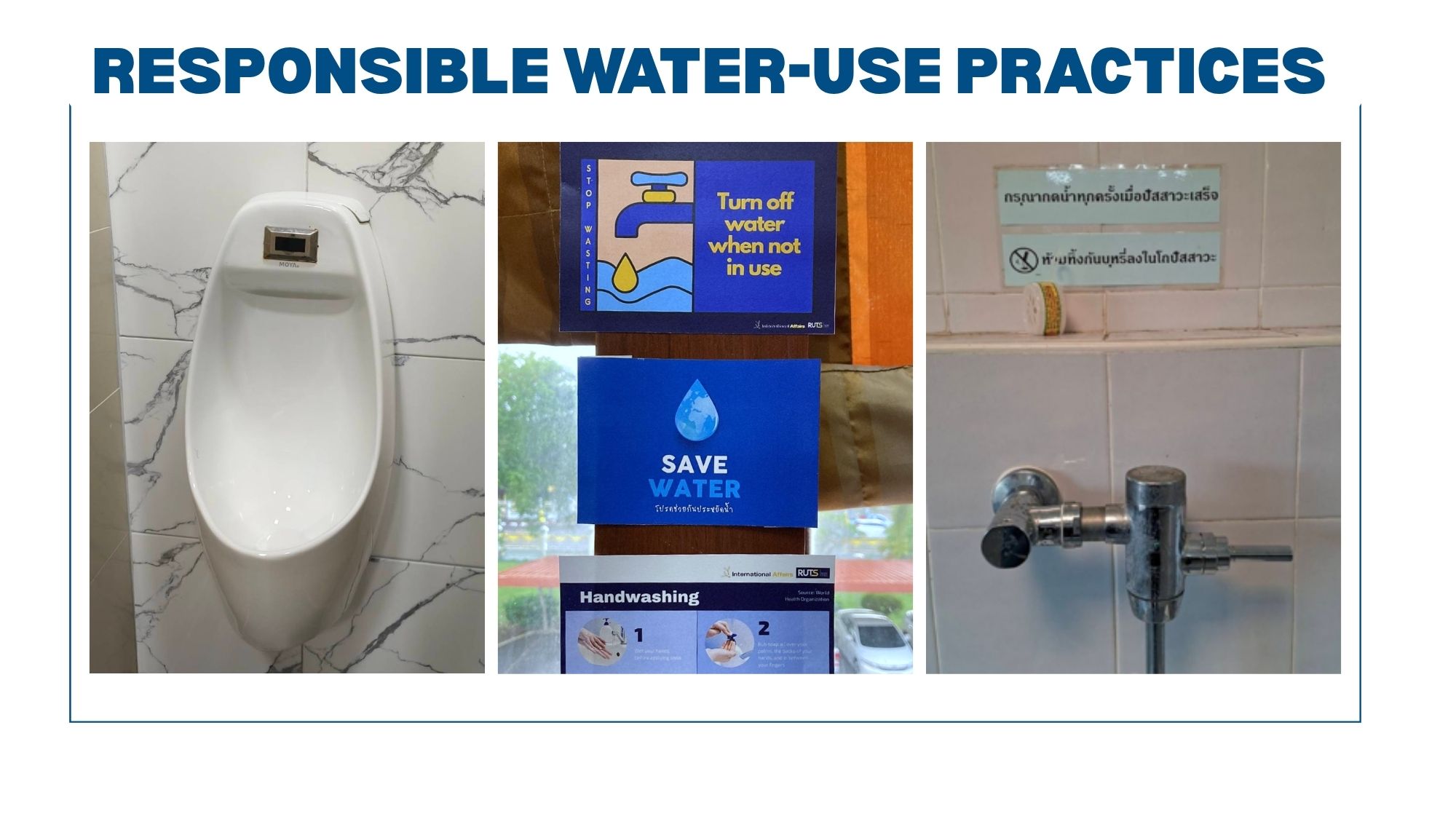
The university’s water conservation measures encourage responsible water-use behavior in everyday activities. Students and staff are encouraged to avoid leaving taps running unnecessarily and to ensure that faucets are completely closed after use. The measures also promote appropriate watering practices for landscaped areas and discourage excessive water use during routine maintenance activities. These practices are intended to make water conservation part of daily campus life and encourage members of the university community to recognize the importance of using water responsibly.
Preventing Water Loss through Shared Responsibility
In addition to encouraging careful water consumption, RUTS emphasizes the prevention of water loss through the timely identification and reporting of water leaks. Under the university’s conservation measures, individuals who identify leaking pipes or damaged water supply equipment are encouraged to notify the responsible personnel so that repairs can be undertaken promptly. The university also requires water pumps and water control systems to be inspected according to maintenance schedules. These measures connect individual responsibility with institutional facility management, helping to reduce avoidable water losses and support the efficient use of campus water resources.
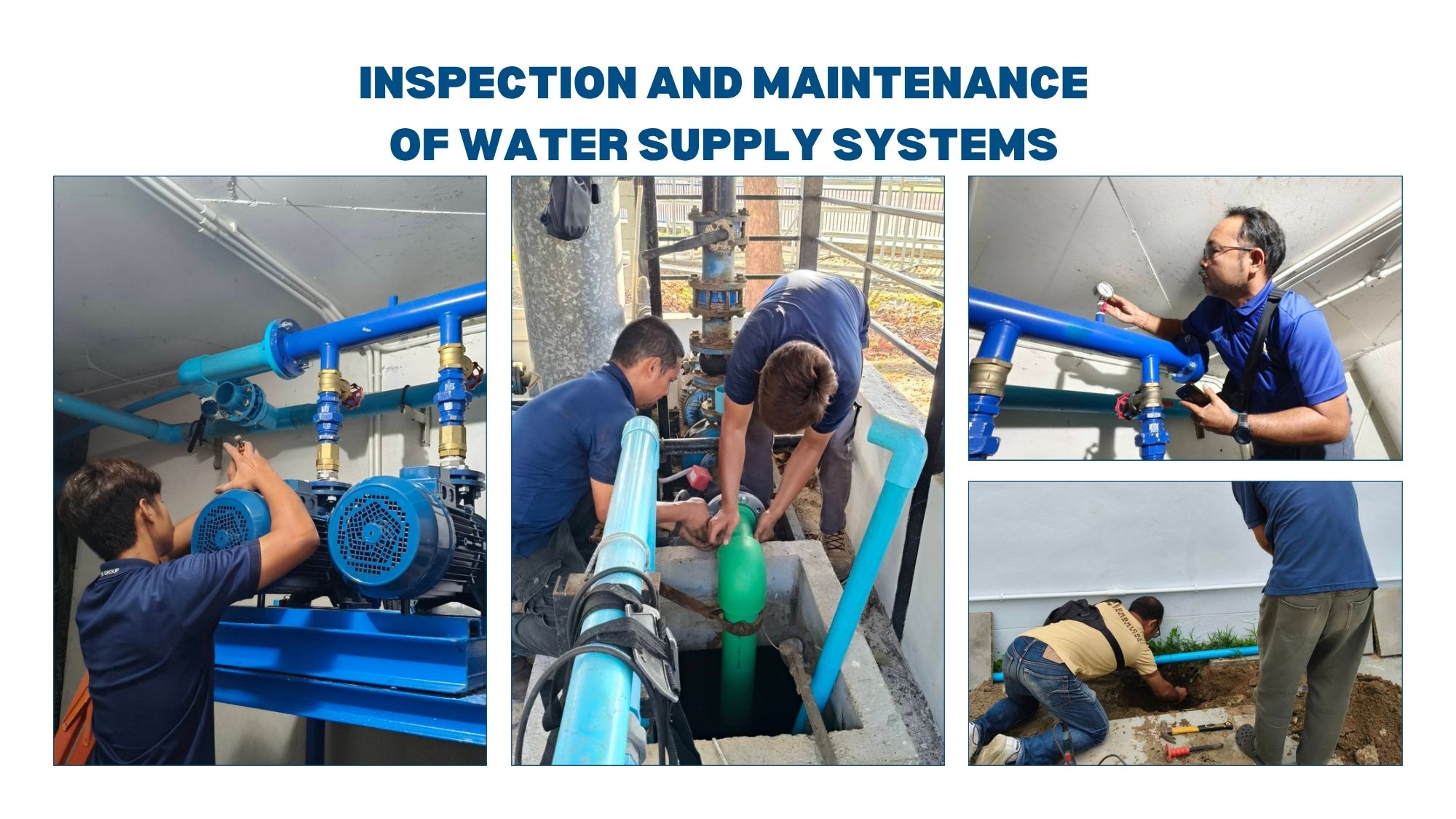
Figure 3: Inspection and maintenance of water supply systems to prevent water loss and support efficient campus operations.
Strengthening Awareness and Participation
RUTS recognizes that sustainable water management depends on the participation of the university community. Its institutional water conservation measures provide a common framework for promoting responsible water-use practices among university departments, students, and staff. By encouraging careful water consumption, appropriate use of water supply facilities, and prompt reporting of leaks, the university seeks to strengthen awareness of water conservation as a shared responsibility.
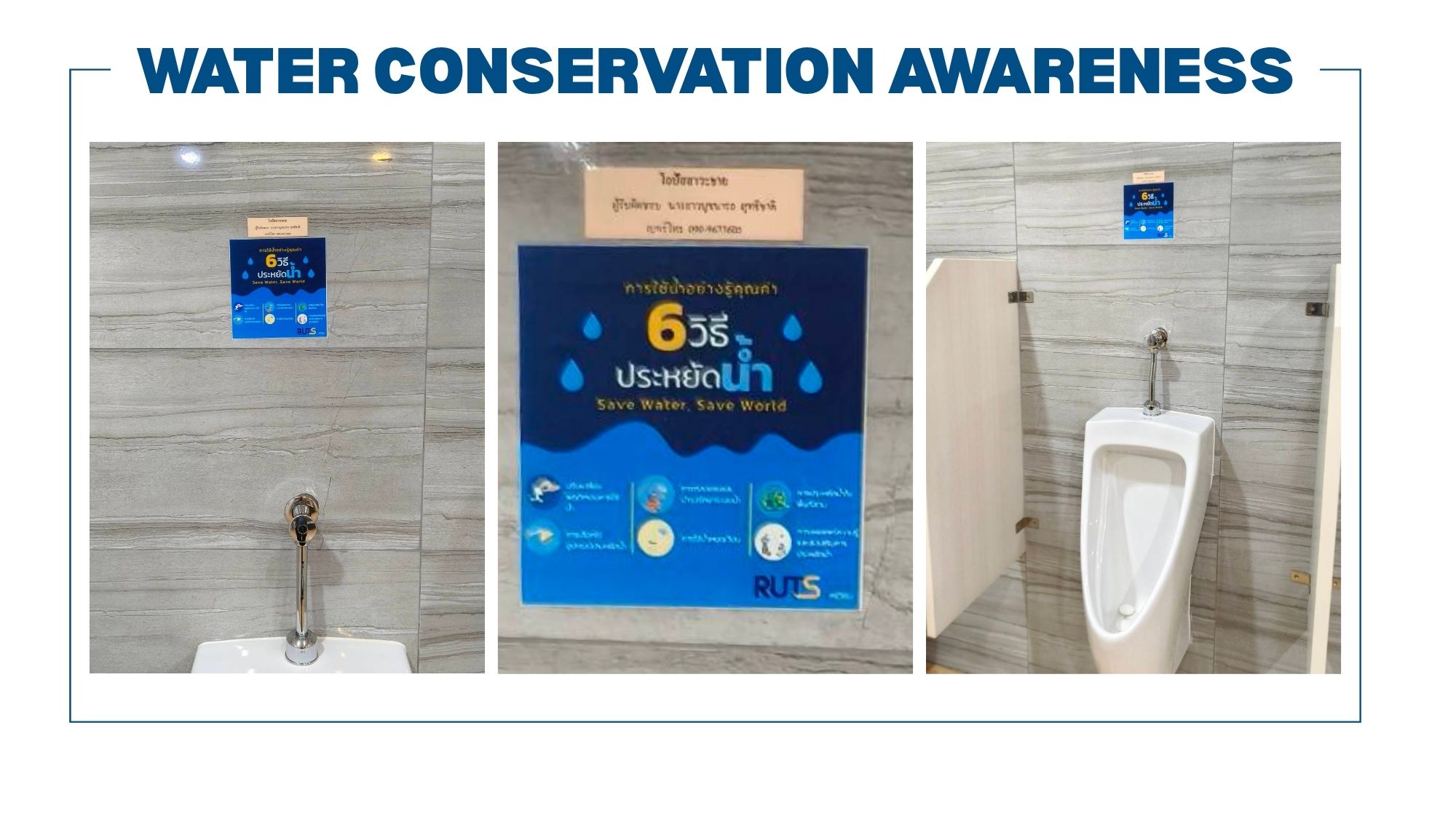
Figure 4: Water conservation awareness and communication initiatives encouraging responsible water use among the RUTS community.
Advancing a Water-Conscious Campus Culture
Through its institutional conservation measures, RUTS continues to encourage responsible water consumption and promote the efficient use of water resources across campus operations. The university’s approach combines practical guidance on everyday water use with preventive maintenance and shared responsibility for reducing water wastage. These efforts contribute to the development of a water-conscious university community and support RUTS’s commitment to sustainable resource management and the objectives of Sustainable Development Goal 6: Clean Water and Sanitation.