[17.3.15 / 15_Summary] Rajamangala University of Technology Srivijaya (RUTS) Annual SDG 15 (Life on Land) Progress Report for Data Year 2025.
RUTS SDG 15 Progress Report 2025: Life on Land
[17.3.15 / 15_Summary] Rajamangala University of Technology Srivijaya (RUTS) Annual SDG 15 (Life on Land) Progress Report for Data Year 2025.
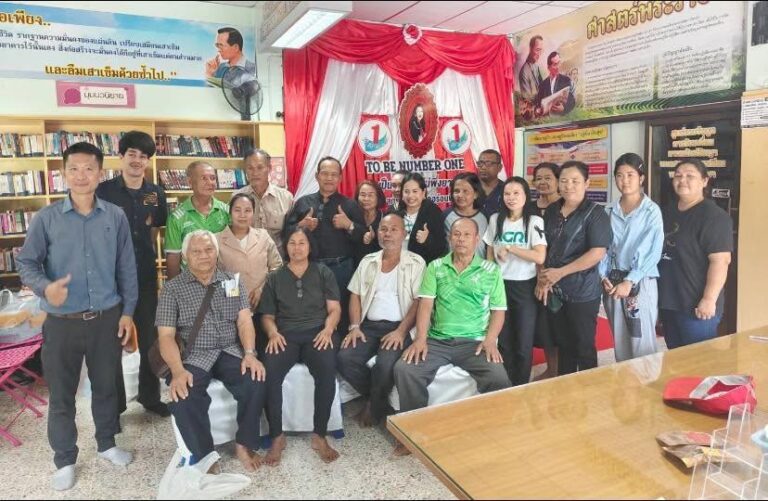
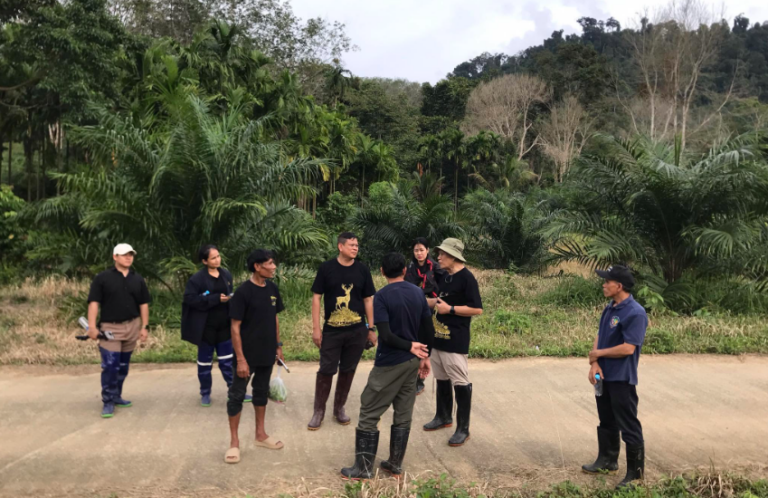
On 22 October 2025, Rajamangala University of Technology Srivijaya participated in a consultation meeting to address human-wildlife conflict involving sambar deer (Rusa unicolor) in Namtok Subdistrict, Thung Song District, Nakhon Si Thammarat Province. The meeting was held at Namtok Municipality and involved Dr. Prasert Nonthakarn and Asst. Prof. Dr. Worawitoo Meesook from the Faculty of Science and Technology, Lecturer Dr. Adisorn Sricharat and Ms. Supinya Choojai from the Faculty of Veterinary Medicine, and representatives from Kasetsart University, the Thailand Environment Institute, Namtok Municipality, Khao Pu-Khao Ya National Park, provincial administrative authorities, partner agencies, and affected local residents. The consultation aimed to reduce impacts on communities while conserving the sambar deer population and promoting sustainable management of the forest and wild-land habitats associated with Khao Pu-Khao Ya National Park.
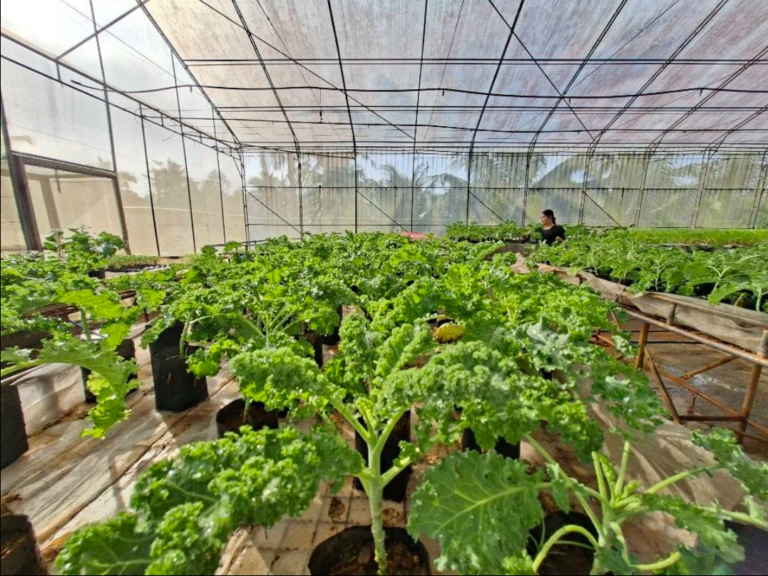
The Faculty of Agriculture at Thung Yai implements this policy through its on-campus agricultural facilities, including vegetable and poultry production managed by agricultural and animal-science personnel. On 4 December 2025, the Vegetable and Medicinal Plant Section harvested kale from its campus greenhouse for sale. Before harvesting, the crop was inspected by the section’s agricultural officer to ensure compliance with the Faculty of Agriculture’s quality standards. The production process incorporates cultivation management, crop-health monitoring, harvesting, and distribution, supporting the provision of fresh and safe food produced within the university’s agricultural facilities. The university also implements sustainable food practices through its Poultry Section.
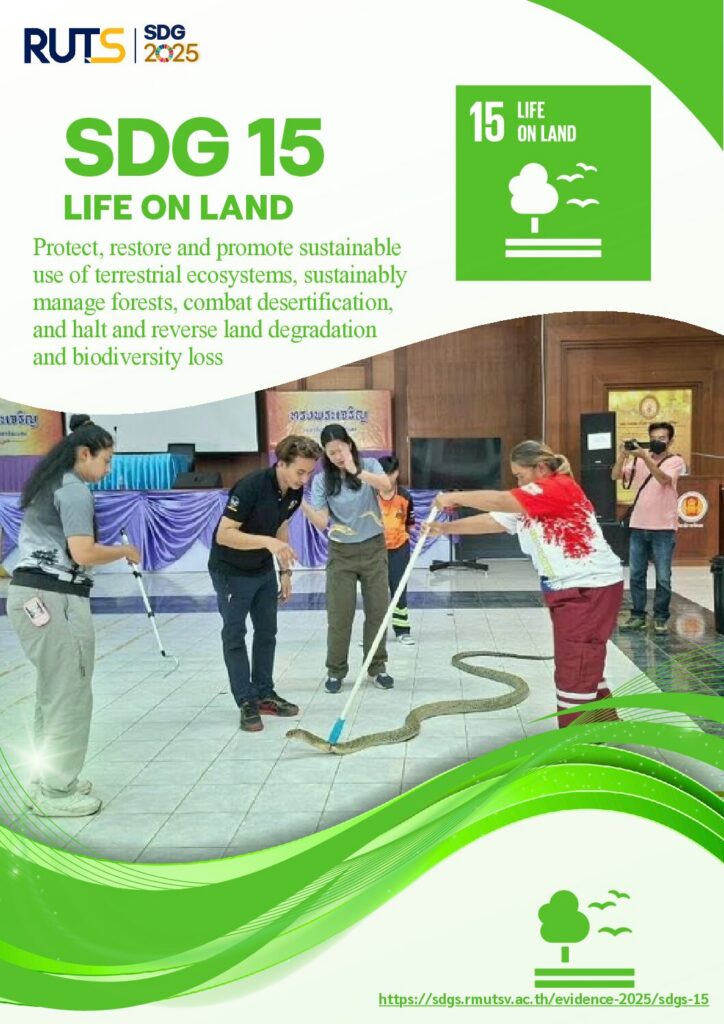
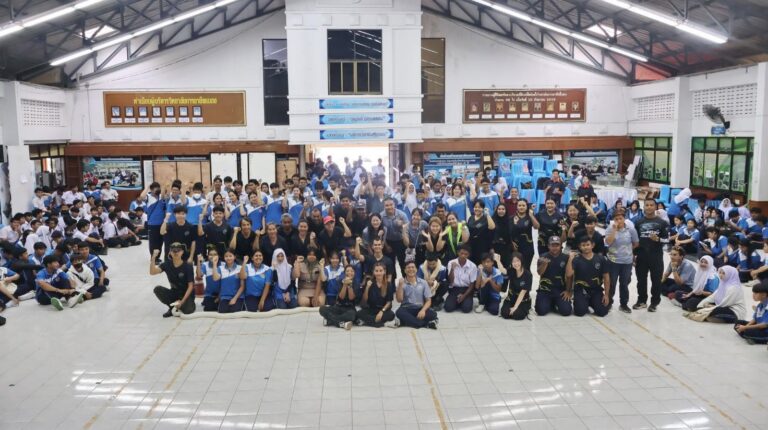
Prof. Dr. Worawitoo Meesook from the Faculty of Science and Technology, Rajamangala University of Technology Srivijaya, led the project Training Workshop for Trainers: Enhancing Snake Knowledge and Handling Skills. The project was supported by Save The Snakes, USA, through the Save The Snakes Vijayan Devan Southeast Asian Snake Conservation Grant Program 2024. It was conducted on 27–28 May 2025 at Betong Industrial and Community Education College in Yala Province, southern Thailand. The project brought together partners from academic, government, wildlife, media, and community sectors, including the Department of Fisheries, Nick Wildlife, a Thai environmental influencer, Betong Lovely Animals Club, and Na Giant Snake Farm. This collaboration aimed to strengthen local knowledge, practical skills, and public engagement for snake conservation and biodiversity protection.
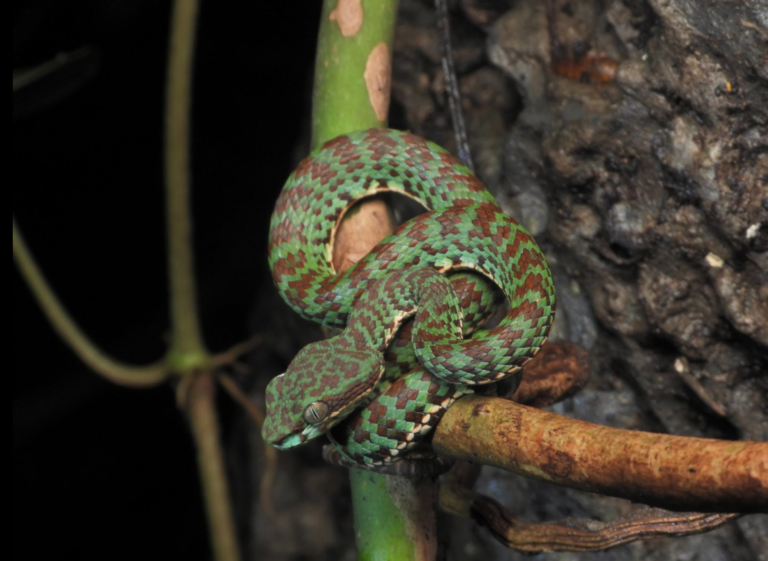
The Faculty of Science and Technology, Rajamangala University of Technology Srivijaya, conducted a study on the diversity of amphibians and reptiles in Thung Song Municipality from 28 May 2024 to 23 March 2025. The research was led by Asst. Prof. Dr. Worawitoo Meesook, Dr. Prasert Nonthakarn, Dr. Komsum Nuntasoontorn, and Asst. Prof. Dr. Thitikorn Prombanchong. The research team worked in collaboration with pharmacist Siriwat Dangsri, Thung Song Municipality, local community members, teachers, and students. The study compared amphibian and reptile diversity between areas with higher levels of human disturbance and areas with lower levels of disturbance. Thung Song is an important study area because limestone hills occur within and around the urban landscape. These limestone habitats provide distinctive ecological conditions and shelter for many wildlife species.
On December 25, 2025, the Faculty of Agriculture, Rajamangala University of Technology Srivijaya, collaborated with the Ron Phibun District Agricultural Office, Nakhon Si Thammarat Province. A hands-on workshop on Bacillus-based fermented liquid biofertilizer production was organized at the Ron Phibun District Agricultural Office. The workshop engaged 20 local farmers to enhance their knowledge and skills in biological plant disease management and plant growth promotion. The activity aimed to reduce chemical pesticide use and agricultural production costs while improving crop productivity and safety. It also sought to strengthen farmers’ livelihoods and promote environmentally sustainable agricultural practices. Three academic experts, Assoc. Prof. Dr. Pornsil Seephueak, Asst. Prof. Dr. Sakulrat Hansuek, and Dr. Pittiphat Butrakot, served as workshop trainers.
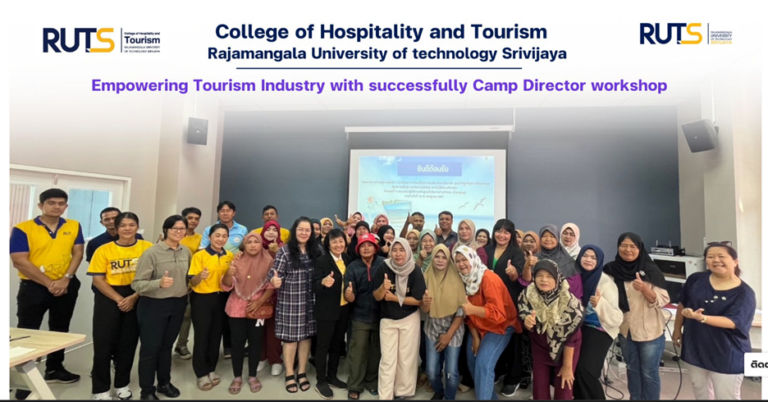
The College of Hospitality and Tourism (CHT), Rajamangala University of Technology Srivijaya, Trang Campus, held a Camp Director Workshop during 18–19 July 2024 as part of the project “From Crisis to Adaptation: Developing High-Quality Marine Tourism in the Gulf of Thailand-Andaman through Learning Ecosystem Development, Modern Management, Technology, and Innovation.” The workshop was held at the Workforce Development Centre Supporting New Normal Coastal Tourism Industry with Innovation and Technology, CHT Building, and Ban Mod Tanoi Village, Kantang District, Trang. Asst. Prof. Faphilai Thaweesinsopa, Director of the College of Hospitality and Tourism, presided over the ceremony to honor and encourage the training participants.
RUTS Policy on the Conservation and Sustainable Use of Terrestrial Ecosystems Rajamangala University of Technology Srivijaya implements the RUTS Life on Land Policy (Revised Edition), A.D. 2025, which establishes the university’s commitment to the protection, restoration, and sustainable use of terrestrial ecosystems. The policy specifically promotes the conservation, restoration, and sustainable use of terrestrial ecosystems associated with the university, including forests, mountains, drylands, and other ecologically significant areas. It also supports biodiversity conservation and responsible land management through education, research, community engagement, and collaboration with relevant stakeholders. In 2025, the university demonstrated the implementation of this commitment through biodiversity monitoring of limestone-hill ecosystems in Thung Song Municipality, Nakhon Si Thammarat Province.
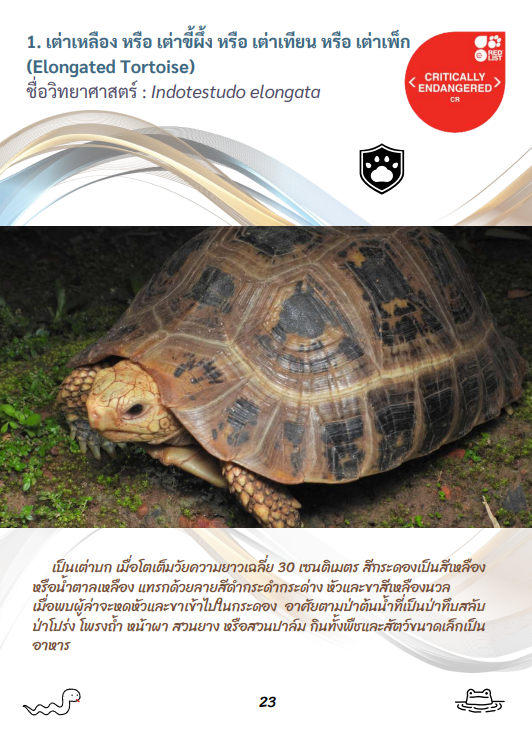
Rajamangala University of Technology Srivijaya has established the Life on Land Policy (Revised Edition), A.D. 2025. Under Policy 3: Conservation of Terrestrial Ecosystem and Species Protection, the University seeks to identify and monitor species included in the IUCN Red List of Threatened Species and relevant national conservation lists, and to protect such species where their habitats are found in areas affected by University operations. The University implements this policy through its formal Memorandum of Understanding with Thung Song Municipality, which supports research, academic-service, and community-engagement activities in local terrestrial ecosystems. This includes limestone-hill habitats within Thung Song Municipality, which provide important habitat for amphibians, reptiles, and other wildlife.
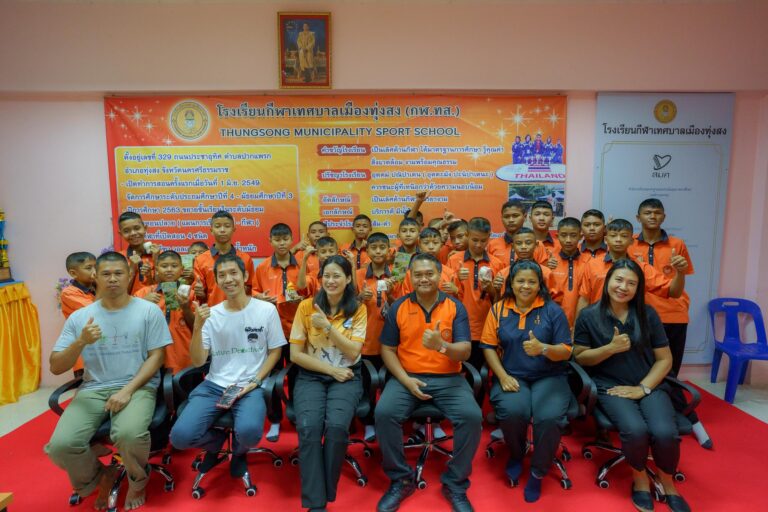
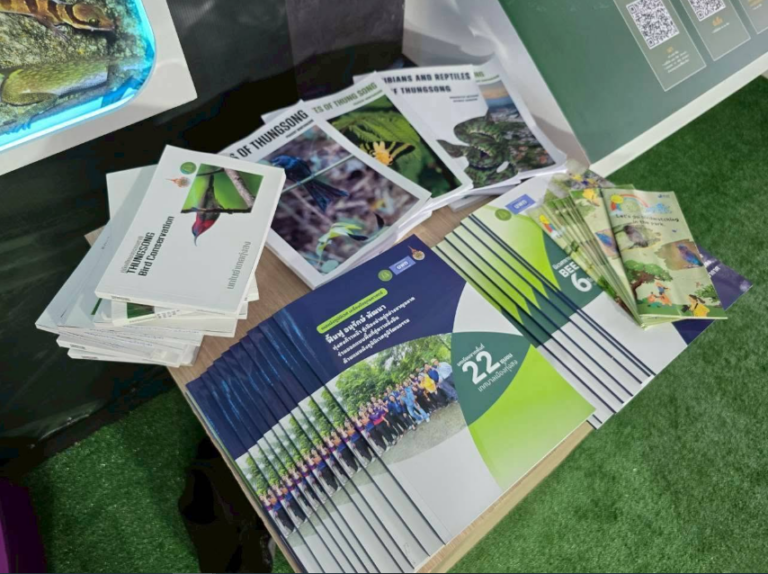
Rajamangala University of Technology Srivijaya, represented by Asst. Prof. Dr. Worawitoo Meesook and Dr. Prasert Nonthakarn from the Faculty of Science and Technology, collaborated with Dr. Chamniern Vorratnchaiphan, Senior Advisor to the International Union for Conservation of Nature (IUCN), to develop the Eco-Map Curriculum for six schools under Thung Song Municipality. The curriculum applied the BEEE framework: Biodiversity, Ecosystem, Energy, and Equality. Its main objective was to integrate knowledge of local biodiversity and ecosystems into school planning, teaching, learning, and sustainable development activities. The programme encouraged schools to use their own campuses, surrounding green spaces, and local environments as living classrooms. Through the curriculum, students were expected to understand the relationship between biodiversity, ecosystem health, resource use, and community well-being.
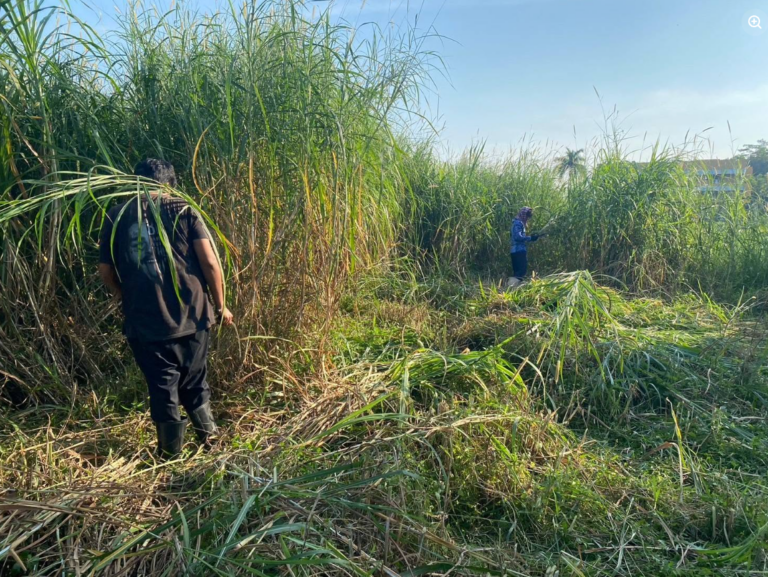
Rajamangala University of Technology Srivijaya has established a policy to reduce the potential impacts of alien species associated with university operations, including measures to manage their use and prevent uncontrolled spread on campus. This policy provides a framework for the responsible management of alien species within university-managed areas. In line with this policy, the Faculty of Agriculture manages Napier grass (Cenchrus purpureus), an alien plant species cultivated within the university agricultural farm as a forage resource for livestock. On 9 January 2025, students in the Animal Science Program participated in harvesting Napier grass for use as fresh forage and fermented feed for cattle and goats. The harvesting and controlled use of Napier grass demonstrate the practical management of an alien plant species within the university’s agricultural operations.
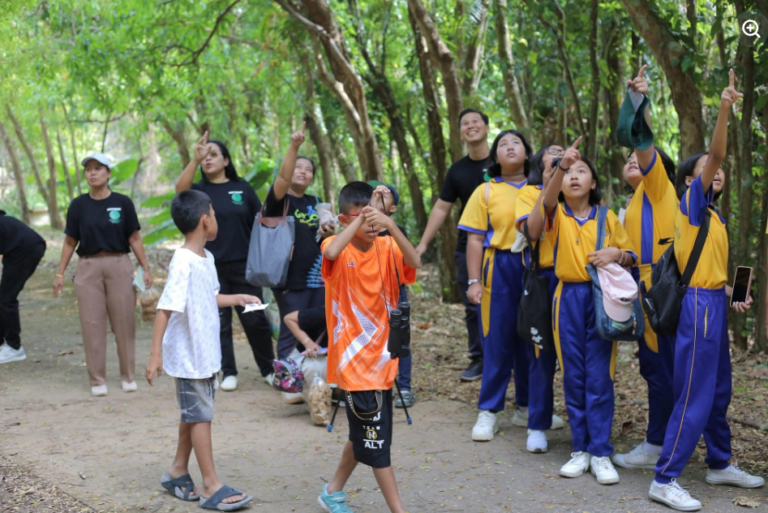
On 26 January 2025, from 08:00 to 12:00, Rajamangala University of Technology Srivijaya collaborated with Thung Song Municipality to organise the Learning to Love and Conserve Birds: Bird Walk activity. Dr. Prasert Nonthakarn served as the activity educator and guided participants in learning about birds and their ecological importance. The activity was held at Sirindhorn Botanic Garden, Thung Song, a green space that provides habitat for both resident and migratory birds. The programme was organised during a period suitable for bird observation, when migratory birds may be found alongside local bird species. It aimed to promote environmental learning, bird conservation awareness, and shared responsibility for protecting local land ecosystems among schools, communities, and families. The activity consisted of a guided Bird Walk in the botanic garden. Dr.
Rajamangala University of Technology Srivijaya has had university-wide guidelines and standards for wastewater management in place since 2022. Under the RUTS Announcement on Guidelines and Standards for Wastewater Management within the University, B.E. 2565 (2022), wastewater discharged from university buildings must meet the water quality standards prescribed by law and the applicable standards established by the municipality. Responsible personnel are assigned to oversee wastewater treatment systems and ensure that discharged wastewater meets the required standards. The guidelines also require regular inspection and maintenance of wastewater-treatment equipment and provide specific measures for wastewater management in university facilities, including wastewater treatment systems for canteens and periodic grease removal.
Rajamangala University of Technology Srivijaya has established a policy to reduce plastic waste on its campuses. Under the RUTS Life on Land Policy (Revised Edition), A.D. 2025, the university promotes measures including reducing single-use plastics, encouraging the use of reusable products, promoting waste separation and recycling, and raising awareness of responsible consumption among students, staff, vendors, and visitors. To support the implementation of this policy, the university provides designated waste-separation points across the campus for the collection of plastic waste and other waste categories. These facilities enable campus users to separate recyclable plastics from general waste, supporting appropriate recovery and recycling rather than disposal.
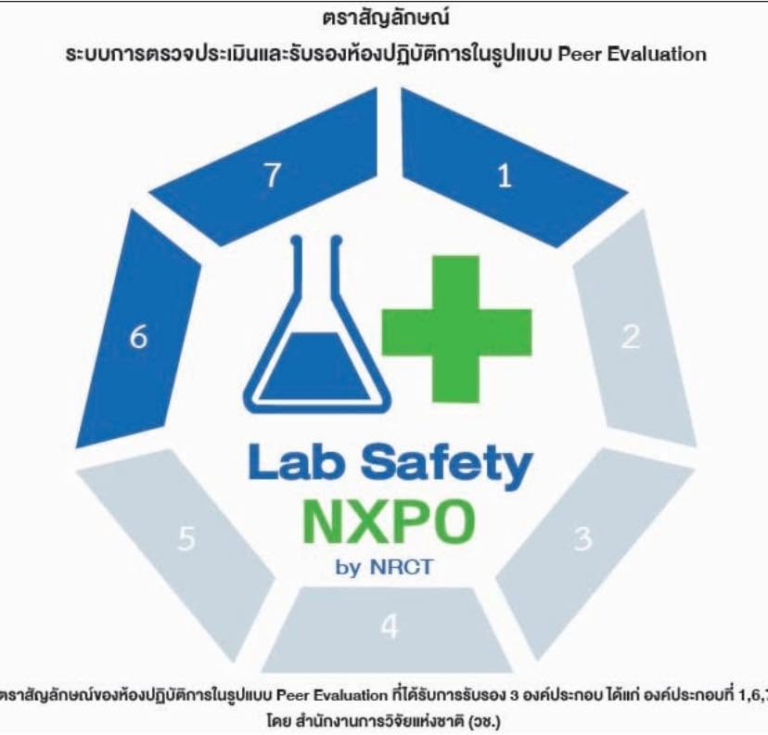
In accordance with the RUTS Life on Land Policy (Revised Edition), A.D. 2025, Rajamangala University of Technology Srivijaya promotes proper waste management and disposal, including the safe management of hazardous materials and waste generated by university operations. The policy requires appropriate procedures covering waste identification, separation, labeling, safe storage, handling, transportation, and disposal in accordance with applicable laws and regulations. In implementing this policy, the Plant Pathology Laboratory (CB311), Registration No. 2-0060-0001-2, at the Faculty of Agriculture, Nakhon Si Thammarat Campus, has implemented laboratory safety practices since 2024. Led by Assoc. Prof. Dr.